Services > Market Intelligence > FEOC Risk Assessment for U.S. PV & BESS Procurement
FEOC Risk Assessment for U.S. PV & BESS Procurement
Request a confidential consultation
Can you still buy the equipment you need, protect tax credit value, and avoid supplier decisions that create FEOC exposure?
FEOC rules are changing how U.S. solar and energy storage buyers evaluate suppliers. A supplier may look commercially viable today, but still create risk through ownership, upstream sourcing, licensing, payments, or other relationships that are not visible from public information.
Intertek CEA helps developers, owners, EPCs, investors, and procurement teams understand how FEOC restrictions may affect PV and BESS supply options, project timelines, and access to tax credits.
The procurement risk is real
Buyers cannot wait for every rule to be clarified before making supplier decisions. Projects still need equipment, schedules still need to hold, and tax credit assumptions still need support.
FEOC exposure can affect:
Which suppliers remain viable
Whether equipment supports tax credit eligibility
How much compliant supply may be available
Whether project timelines need to change
What documentation may be needed years later
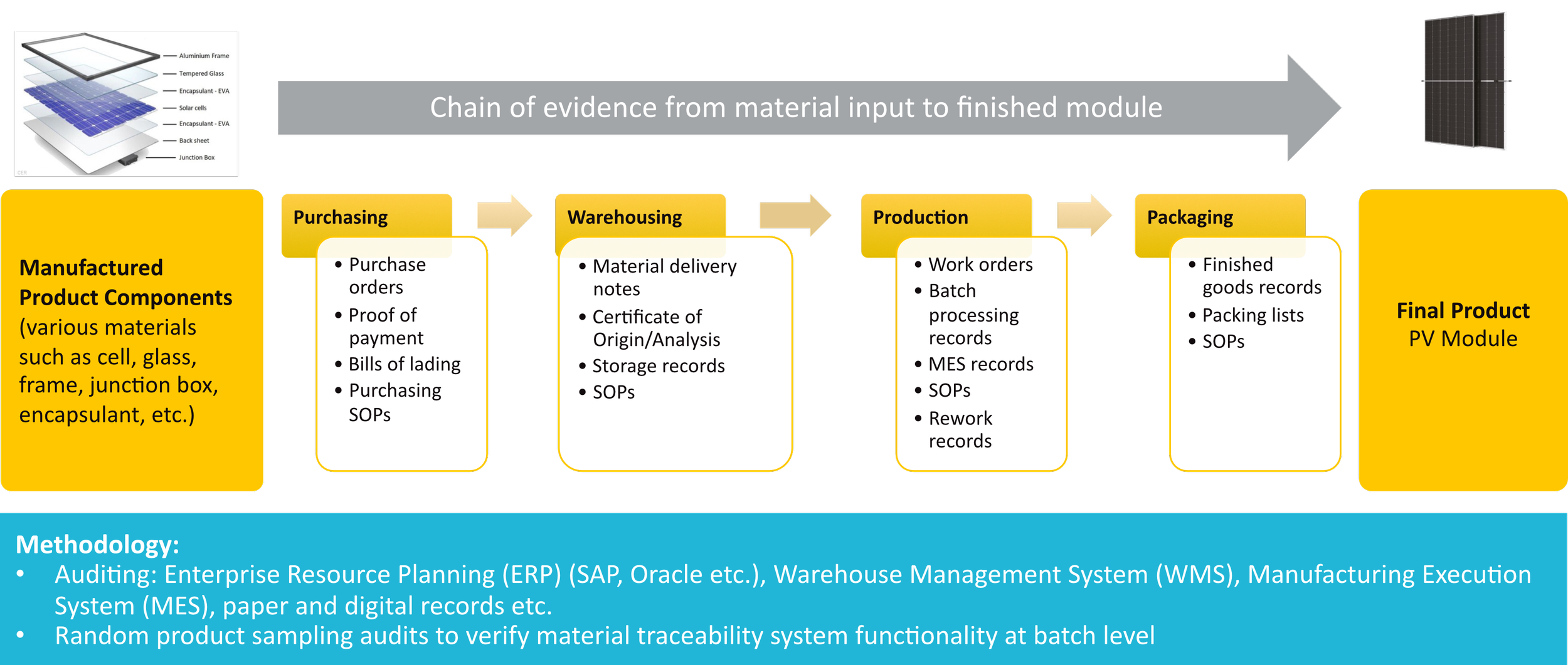
Supplier attestations can help, but they are not enough on their own. Buyers need evidence, not just promises.
Know where supplier risk may enter
FEOC is not only about where a product is made. Risk can come from ownership, control, debt, IP, royalty payments, material inputs, service agreements, or other supplier relationships.
Intertek CEA assesses how FEOC rules may apply to your PV or BESS procurement strategy and identifies where supplier relationships may create exposure.
Understand which supply may remain viable
A supplier that appears available today may face delays, ownership changes, licensing changes, cancellation, or other commercial disruption as FEOC rules affect the market.
Intertek CEA screens U.S. PV and BESS manufacturing facilities and suppliers for potential FEOC exposure, including ownership, location, supply-chain role, announced capacity, and expected commercial operation timing.
We also estimate how much PV and BESS manufacturing capacity is likely to remain viable under FEOC rules over the next five years.
Plan around commercial impacts
FEOC risk can create practical procurement problems: fewer supplier options, higher pricing for compliant supply, delayed facility ramp-up, and schedule risk for projects already under development.
Intertek CEA identifies supply-risk implications and outlines practical mitigation options to help buyers qualify suppliers, compare alternatives, and plan procurement with more confidence.
What you receive
A concise, decision-ready analysis covering:
FEOC risk indicators for PV and/or BESS suppliers
Facility-level screening and capacity outlook
Supply availability risks
Potential impacts on tax credit eligibility
Procurement and planning considerations
Mitigation options for supplier qualification
Typical delivery timeline: 2 to 3 weeks, depending on scope.
Make FEOC-ready procurement decisions
FEOC-ready buyers need to answer three questions with evidence:
How does FEOC risk apply to our project?
Which supplier relationships introduce exposure?
How can our compliance position be supported later?
Intertek CEA helps you identify exposure early, compare supplier options, and build a clearer evidence chain for PV and BESS procurement decisions.