-

Supply Chain Management
Offers comprehensive procurement strategies to global firms, ensuring long-term success and cost savings while providing clients with industry insights and competitive advantages in the marketplace.
-
Quality Assurance
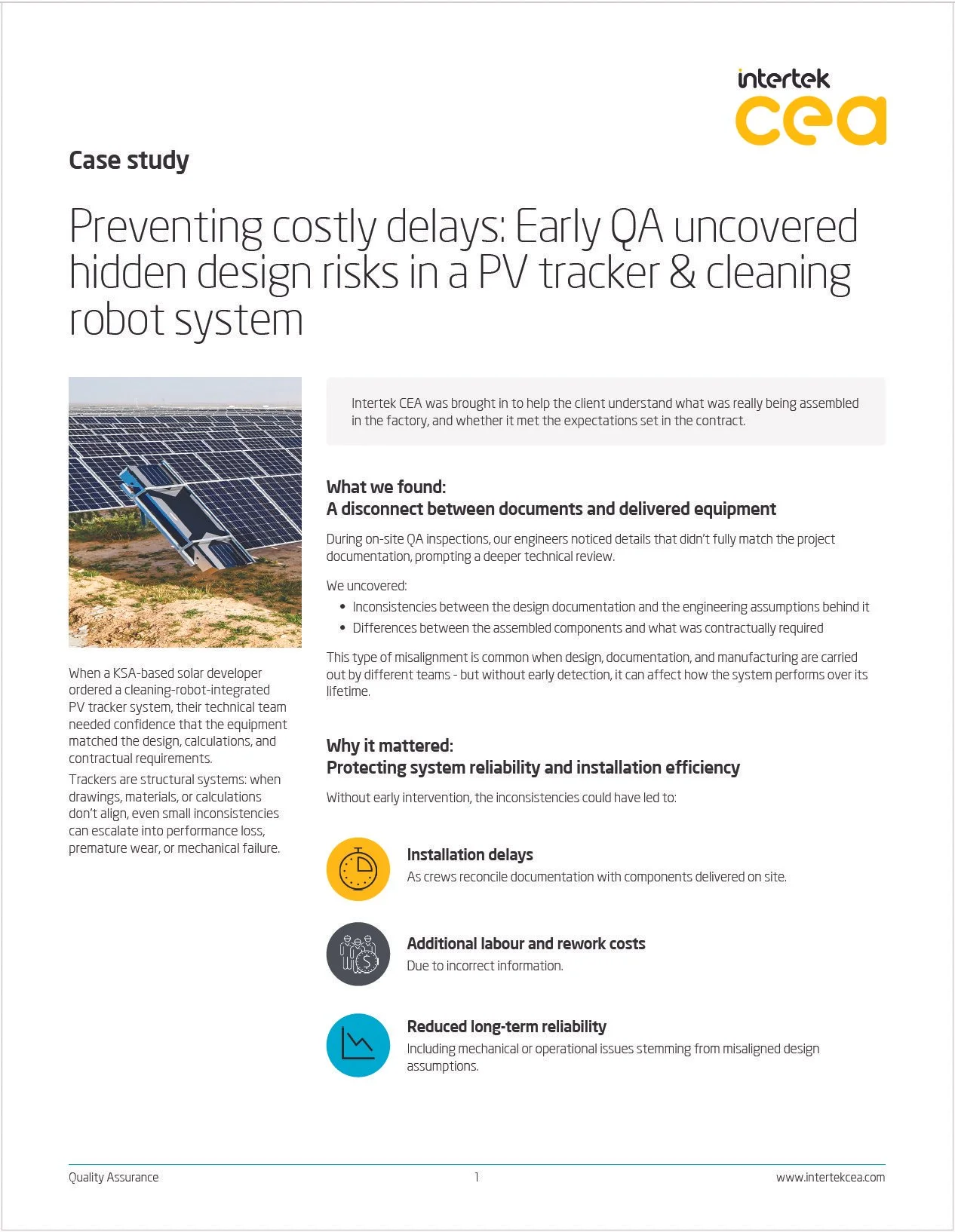
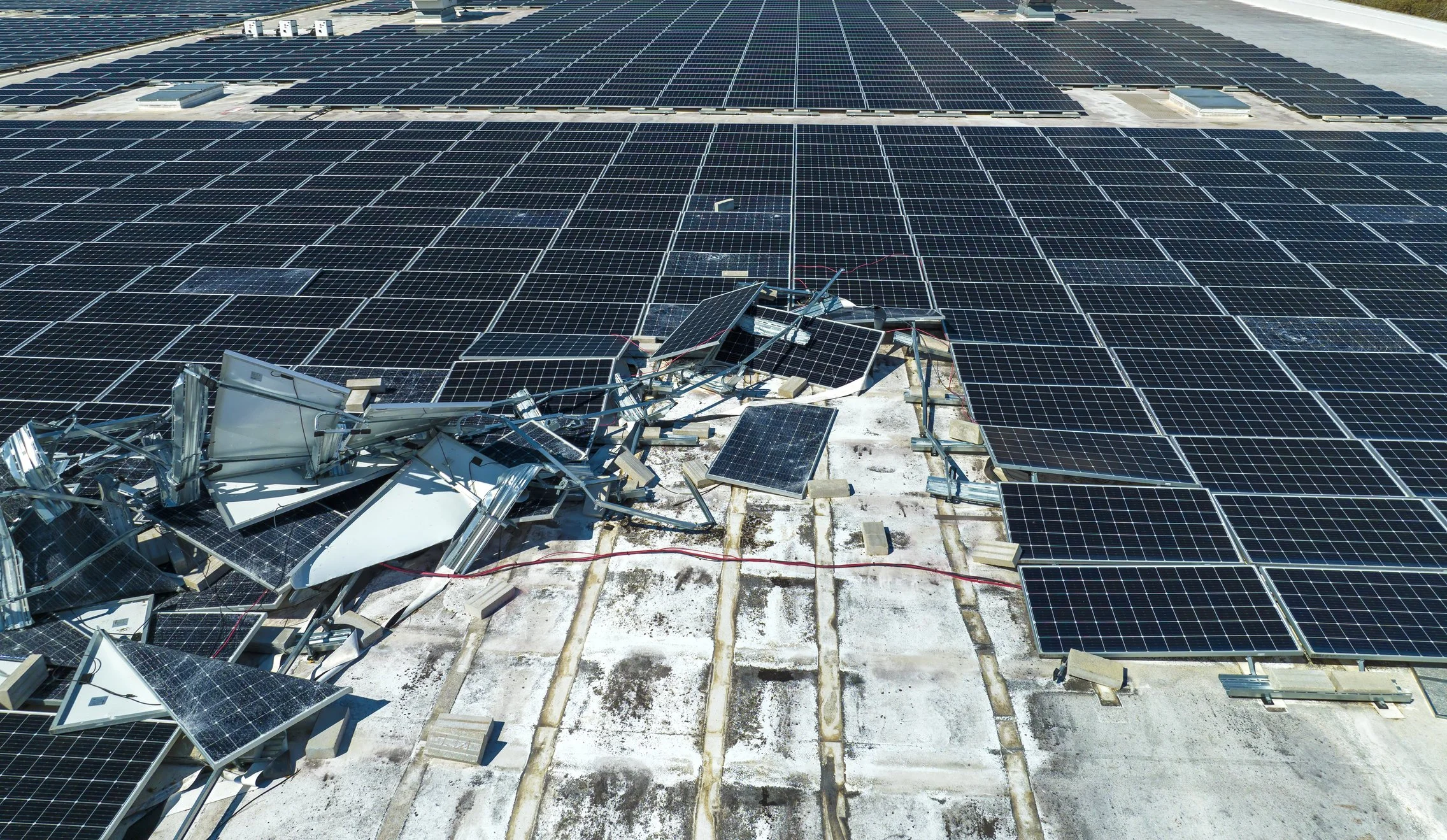
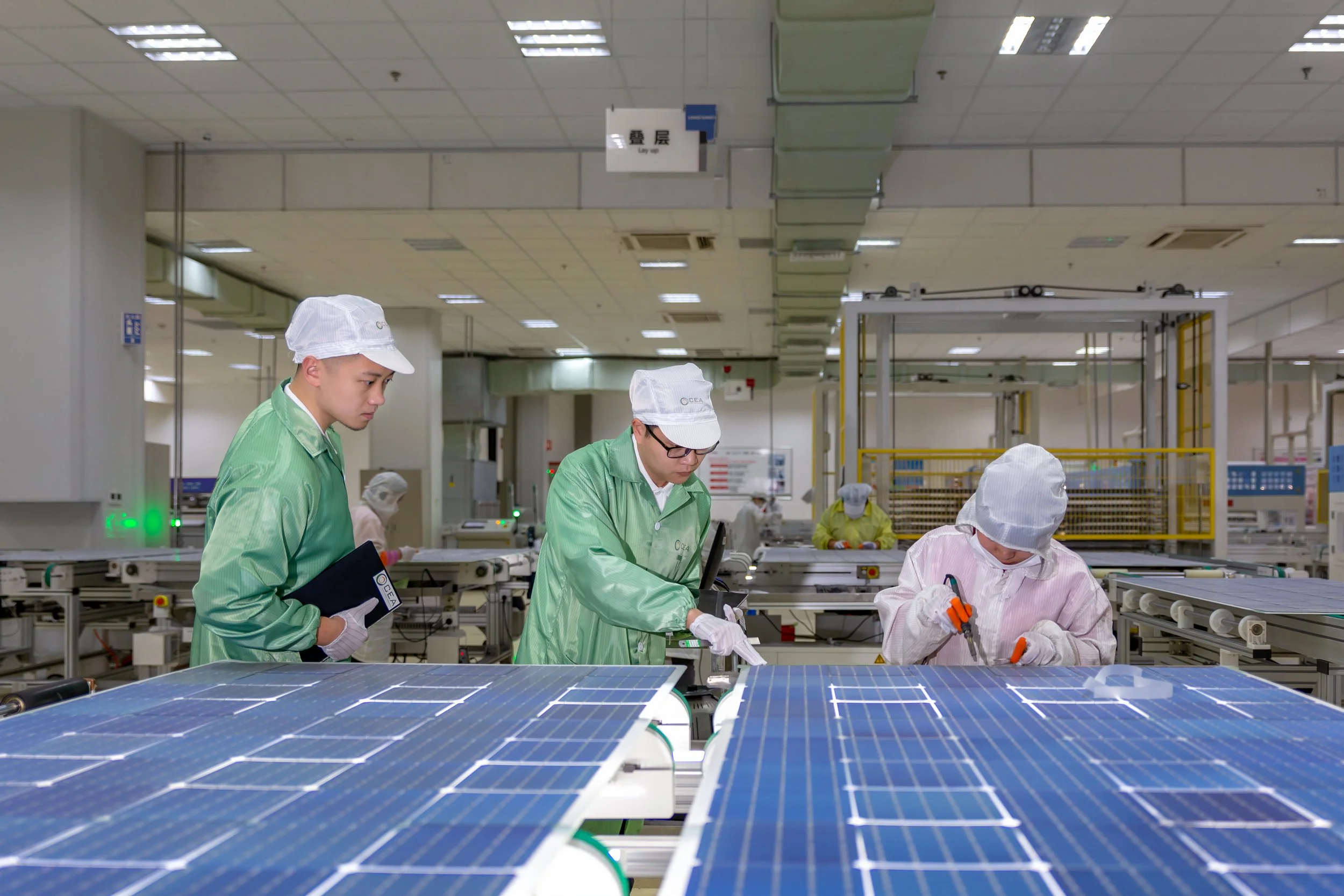
Quality Assurance Solutions cover the entire product lifecycle and balance of system components, reducing technical and financial risks while safeguarding investments in solar modules to ensure long-term energy-producing viability.
-

Engineering & Field Testing
Services that help mitigate risks, optimize performance, and maximize returns in clean energy projects, providing in-depth analysis, recommendations, and customized support to stakeholders such as developers, EPC companies, and asset owners.
-

Market Intelligence
Delivers critical insights and analysis of suppliers, technology, policy and pricing of the PV solar industry, enabling buyers to assess risks and opportunities with potential suppliers, and technology, while maintaining a competitive edge in a rapidly changing market.
-

ESG & Traceability
Map the supply chain from final assembly through to raw material extraction. Verify material flows and segregation throughout production. Assess supplier ESG practices and measure product-level carbon footprint.
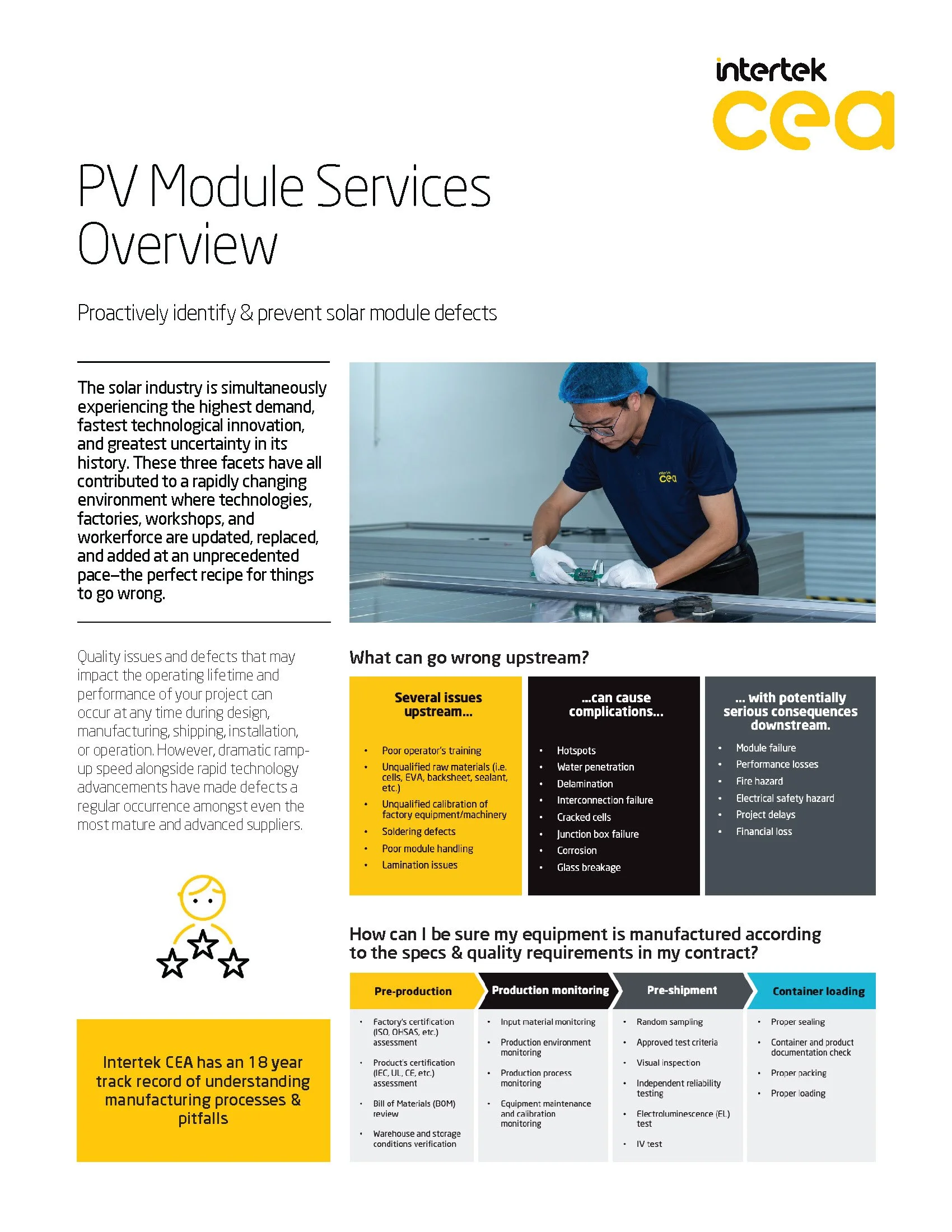
The solar industry is simultaneously experiencing the highest demand, fastest technological innovation, and greatest uncertainty in its history. These three facets have all contributed to a rapidly changing environment where technologies, factories, workshops, and workers are updated, replaced, and brought online at an unprecedented pace—the perfect recipe for defects.
Intertek CEA’s engineers, technicians, and analysts help our customers answer these core questions:
Who should I buy from and how much should I pay?
How can I ensure my equipment is manufactured properly?
How can I be sure my project is designed and installed correctly?
How can I stay on top of complex market dynamics in technologies and supply chains?
How can I be sure I’m complying with my company’s code of conduct and the relevant import laws?
Latest PV Solar Insights News
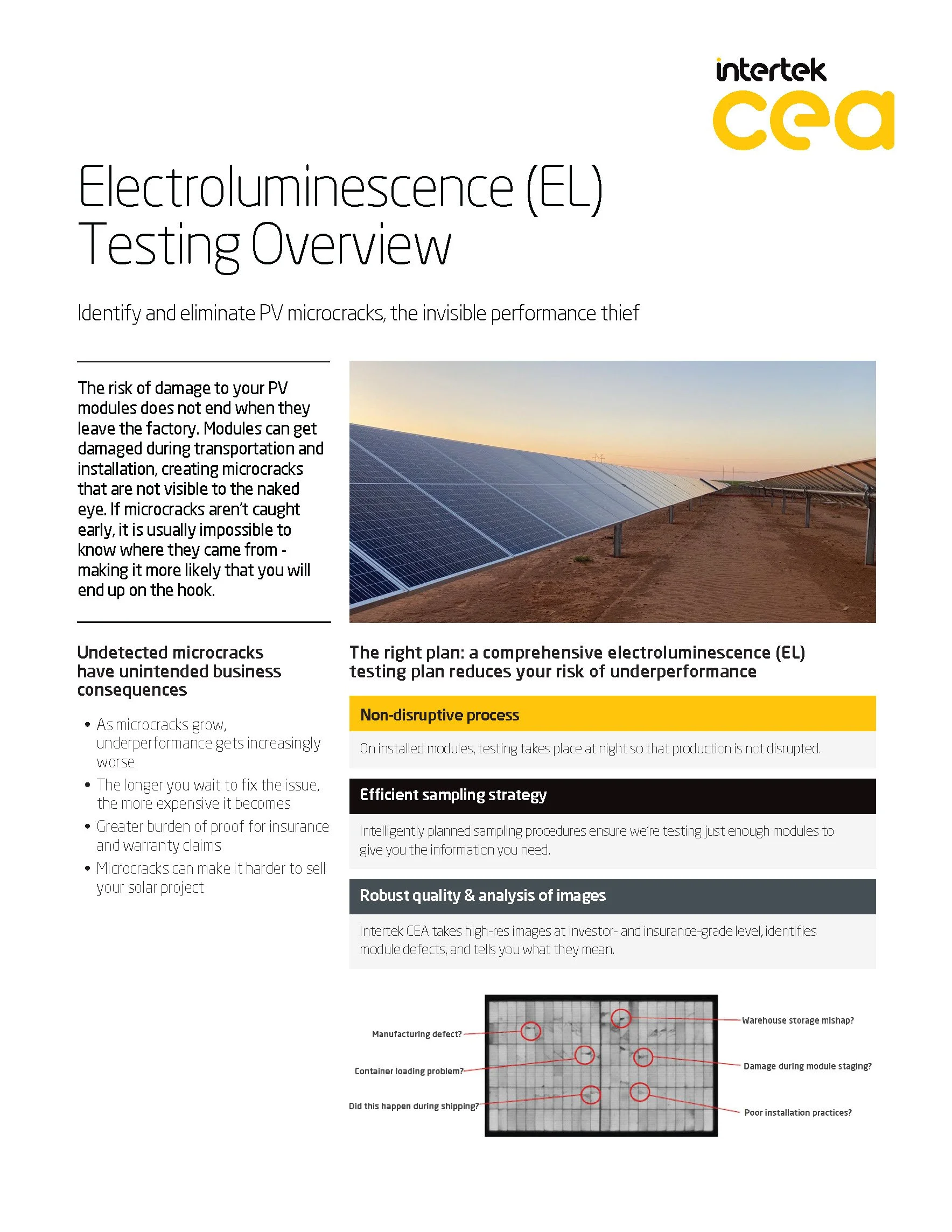
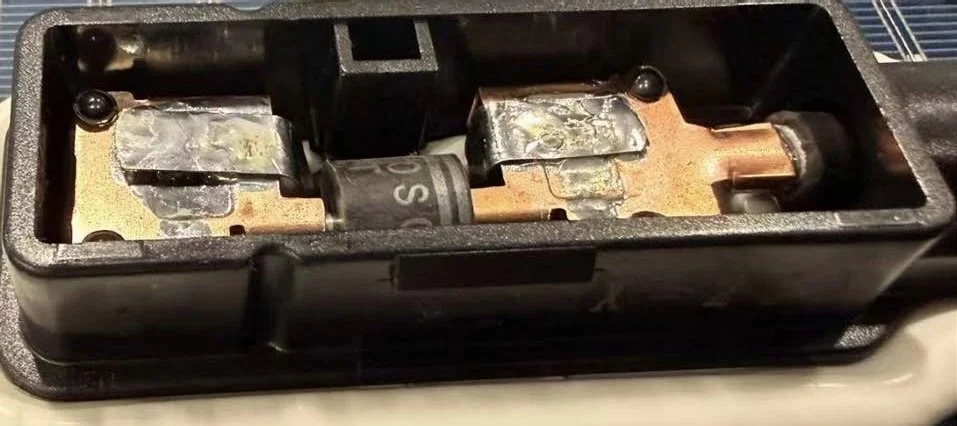
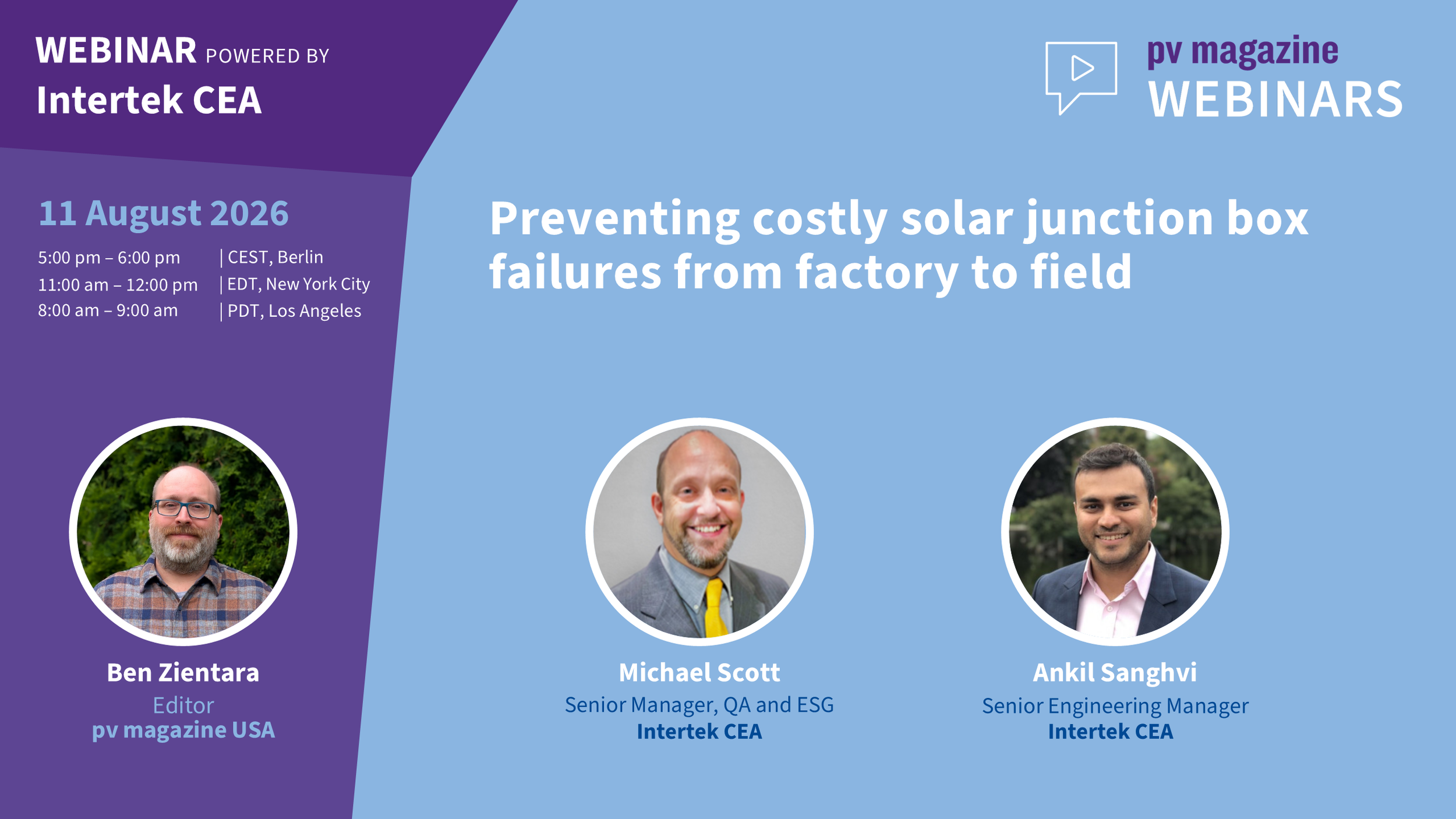
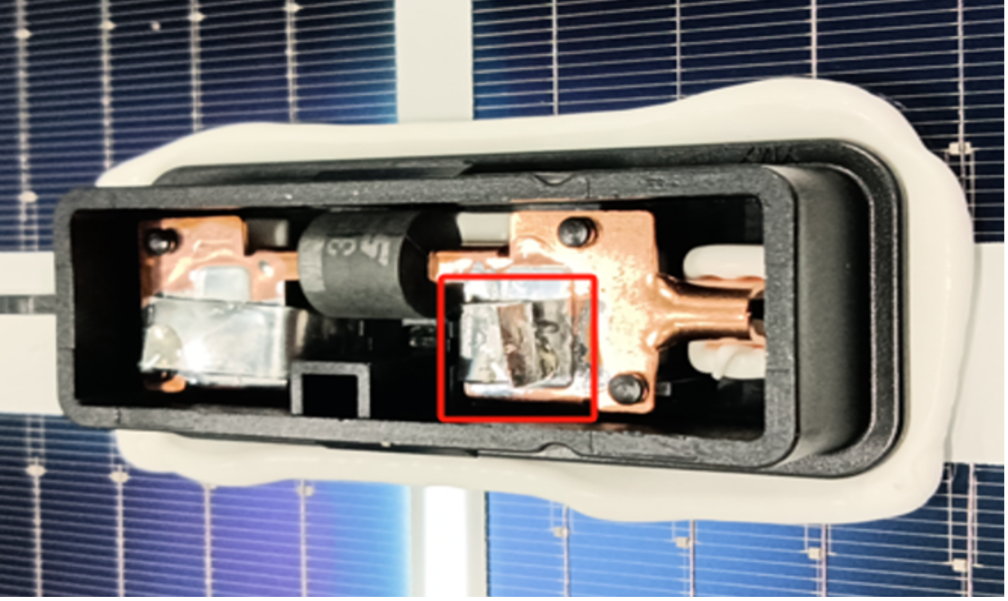
pv magazine: Claire Kearns-McCoy and Michael Scott of Intertek CEA report a rise in junction box failures across utility-scale and rooftop solar sites and explain why the only reliable window to catch these problems closes as soon as the potting compound cures.
PV Tech: FEOC compliance can break down after contracts are signed as supplier ownership, IP licensing, or component changes affect tax-credit eligibility. Intertek CEA’s Jordan Wilson recommends ongoing monitoring, audits, bill-of-material controls, and contractual protections to manage risk through project completion.
pv magazine: PV projects increasingly face financing and execution risk from documentation gaps. Intertek CEA COO Jeffrey Burkett sees technically sound, commercially viable projects struggle to close financing because critical proof was not built up along the way.
Junction box failures are rising across utility-scale solar. Intertek CEA experts reveal common defects, inspection gaps, and how to prevent safety, production, and warranty risks.
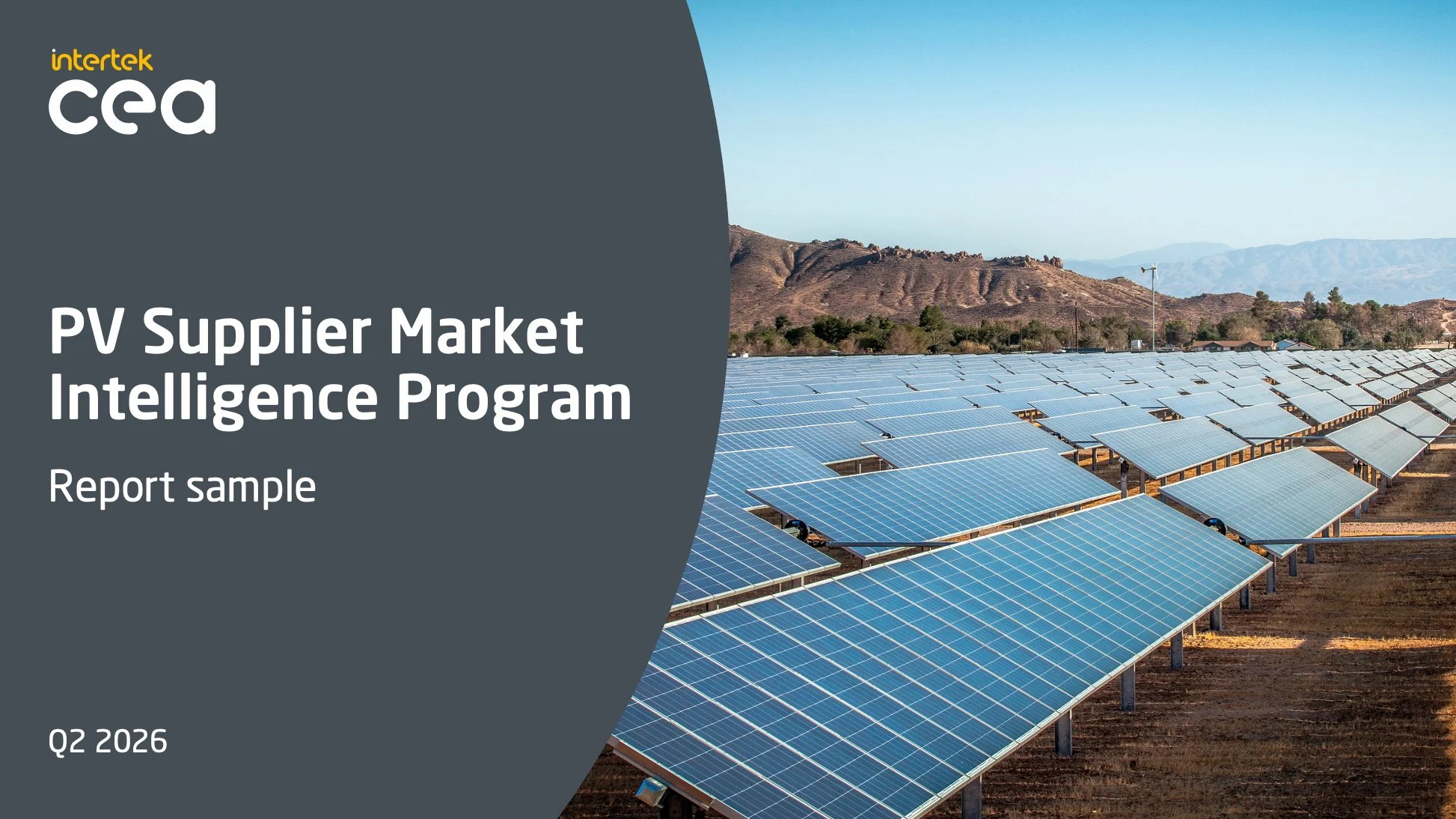
The PV SMIP provides a comprehensive and unbiased analysis of the top PV module manufacturers in the world. It offers detailed insights into capacities, technology, and efficiency roadmaps, along with Manufacturing, Capacity, and Technology (MCT) ratings for each supplier.
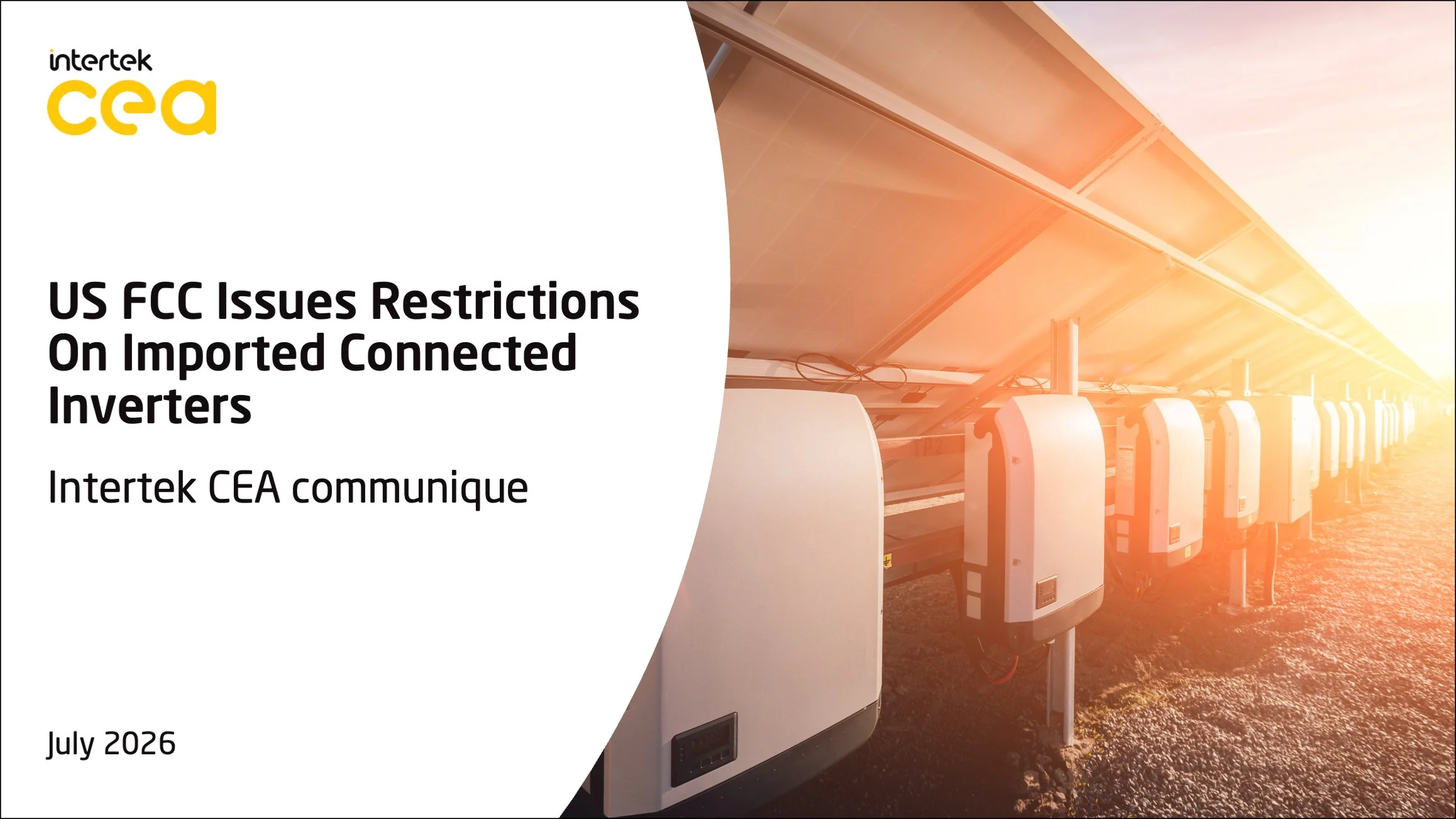
On July 28, 2026, the US Federal Communications Commission (FCC) restricted new foreign-made connected inverters unless they receive Conditional Approval. Unclear implementation could disrupt US solar and energy storage supply.
In this article, Joerg Althaus of Intertek CEA explains why lost bypass diodes in PV modules are a hidden fire risk: they can pass standard factory and field inspections, yet create severe overheating when shading occurs.
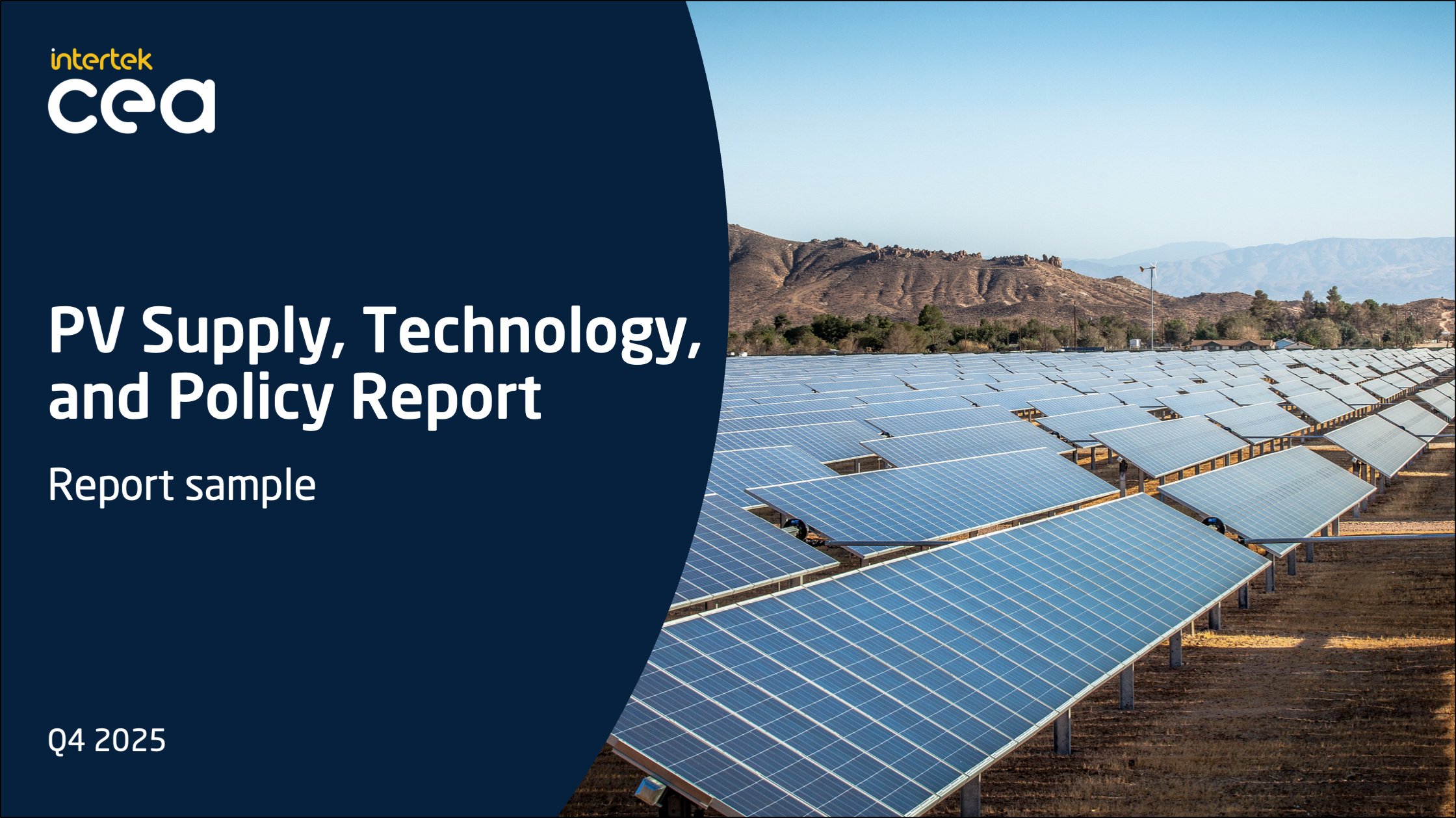
The quarterly published PV STPR covers global and regional supply chain analysis, technology trends, and regional policy analysis.
The PV Price Forecasting Report provides independent market intelligence on changes in global supply chains and accurate forecasts for supply price scenarios based on technologies, materials, manufacturing regions and target markets, as well as supply and demand forecasts and analysis.
The PV SMIP provides a comprehensive and unbiased analysis of the top PV module manufacturers in the world. It offers detailed insights into capacities, technology, and efficiency roadmaps, along with Manufacturing, Capacity, and Technology (MCT) ratings for each supplier.
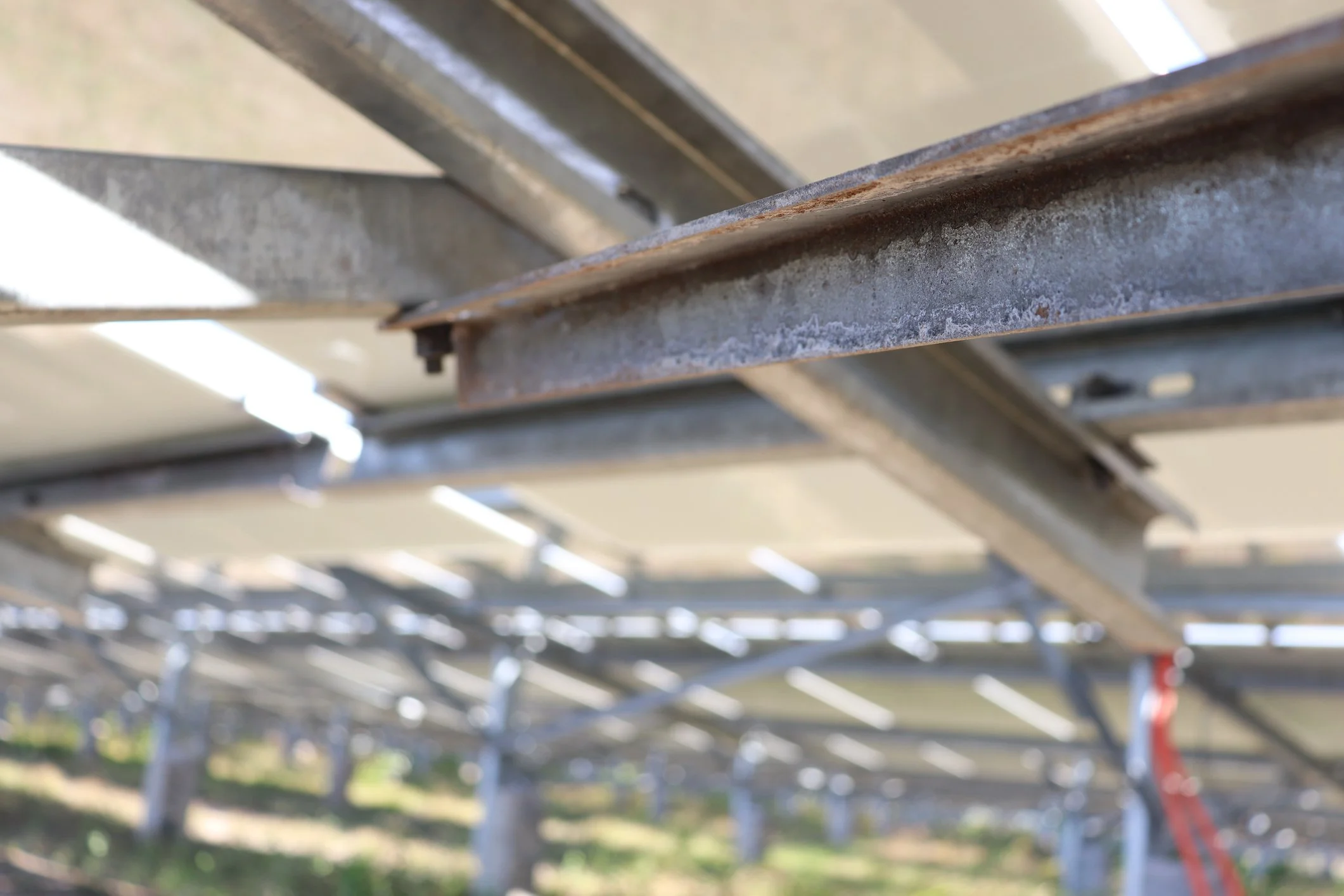
pv magazine: Over a 30-year asset life, corrosion can escalate into a structural, electrical, and fire safety risk that raises O&M costs, weakens resilience to extreme events, and can ultimately lead to premature decommissioning or full structural replacement, as advised by Intertek CEA’s Nicholas Hudson and Ankil Sanghvi.
In this Canary Media webinar, Intertek CEA Senior Policy Analyst Christian Roselund joins a panel of industry experts to break down how FEOC restrictions are being applied in practice, and what developers, investors, and manufacturers should be doing now.
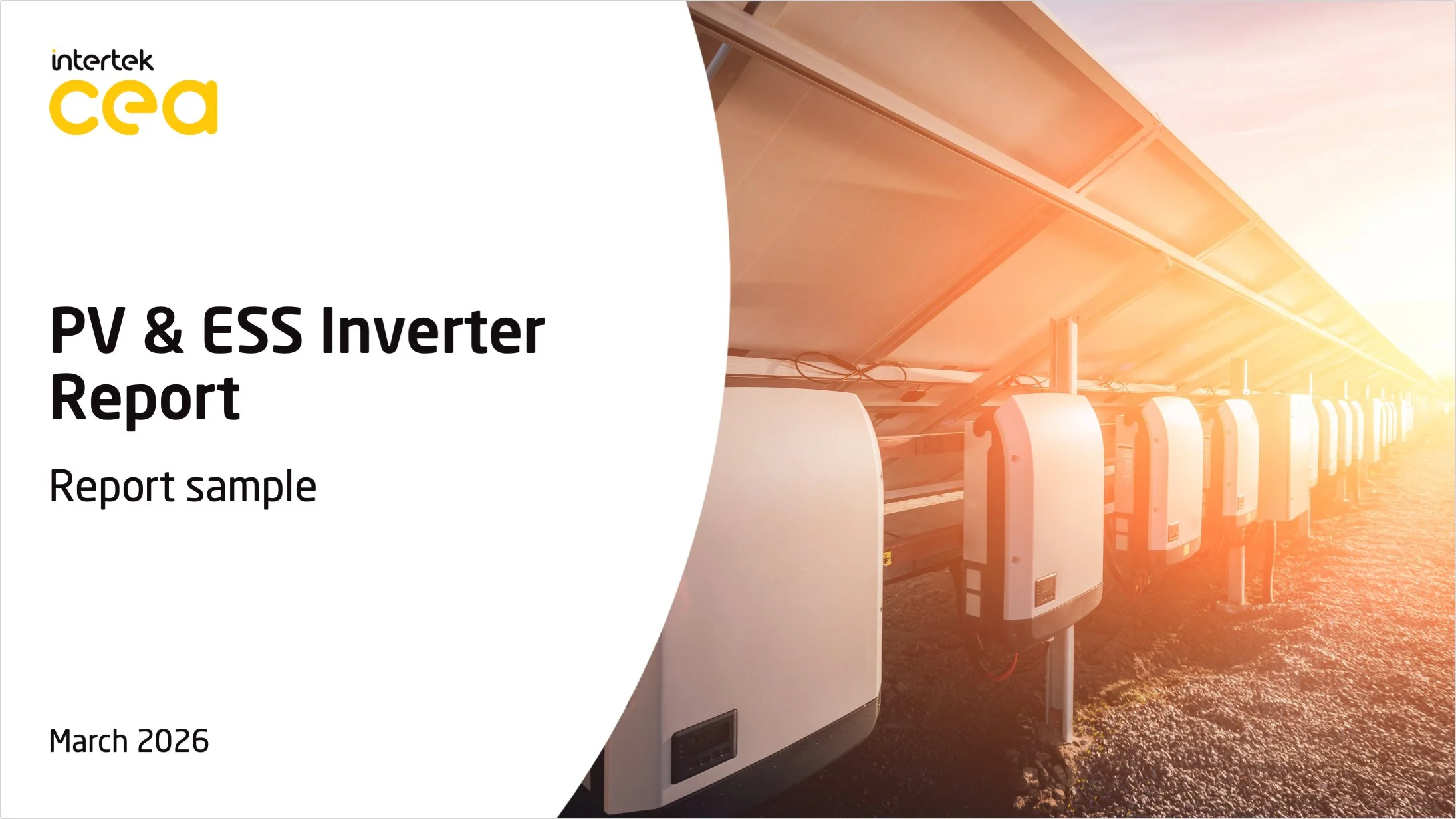
The PV & ESS Inverter Report is an independent market intelligence report covering global inverter supply, pricing, technology, and policy dynamics across the solar and energy storage sectors.
PV Tech: Paul Wormser, Senior Vice President of Technology at Intertek CEA, outlines how ITC eligibility now hinges on traceability, documentation and verification. As rules tighten under H.R. 1, procurement must address counterparty risk, not just module performance, to secure tax equity confidence.
Over the past nine years, Intertek CEA has conducted more than 80,000 quality inspections in over 340 PV module factories. This report summarizes our 2025 data, which reveals rising soldering defect rates and emerging reliability risks as the industry shifts toward n-type products.
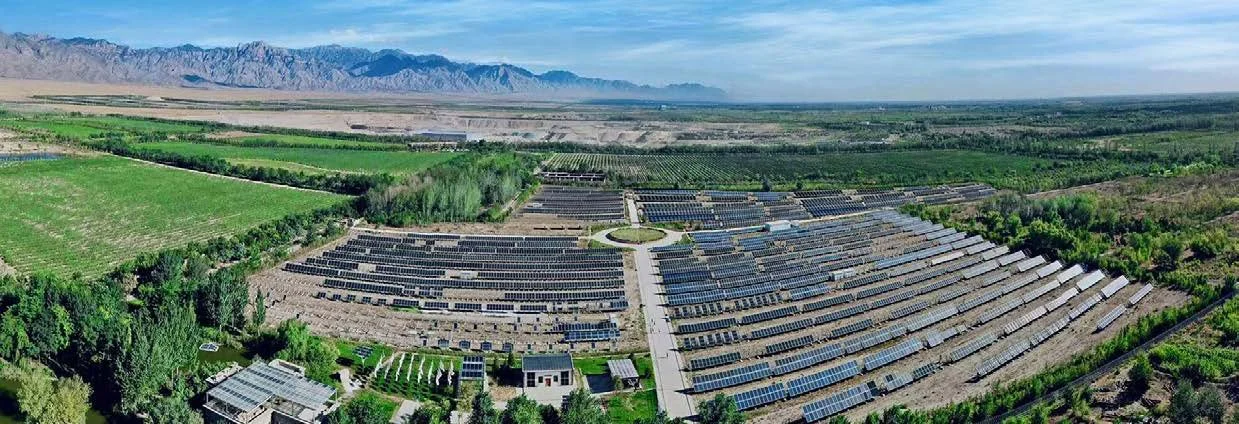
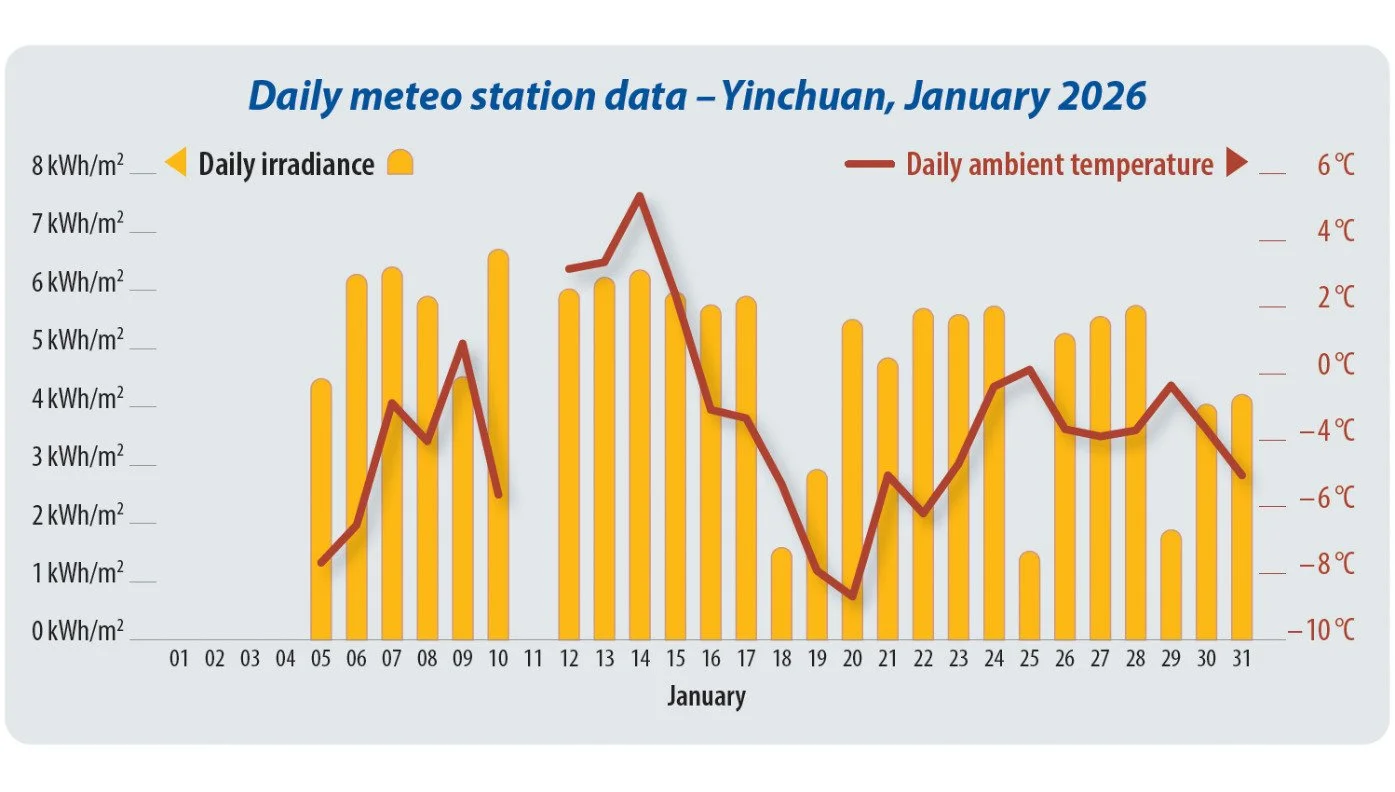
George Touloupas and Huatian Xu of Intertek CEA analyze the January 2026 results from the pv magazine test outdoor installations in Yinchuan, China, and Dammam, Saudi Arabia.
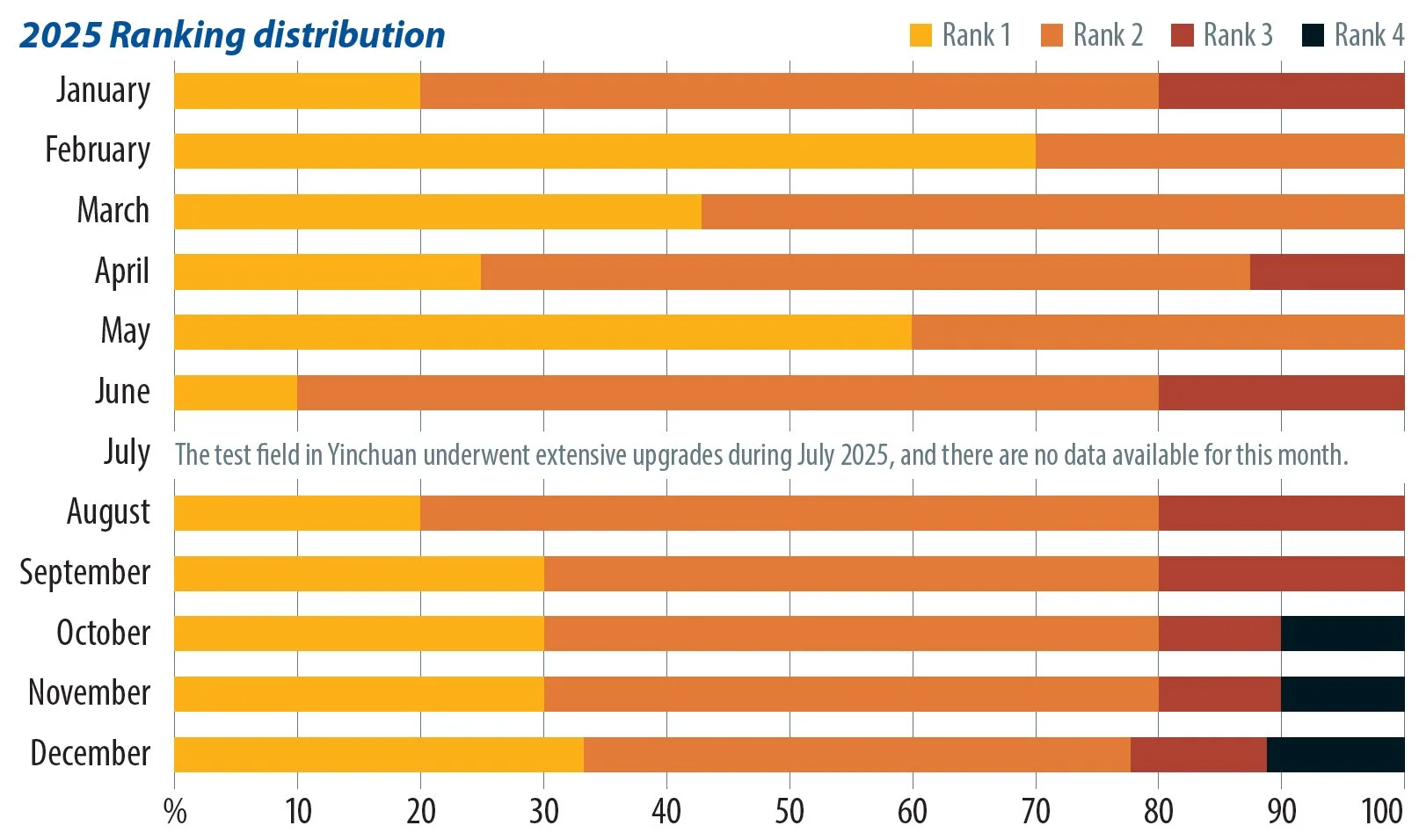
George Touloupas and Huatian Xu of Intertek CEA analyze the performance of 10 PV module samples installed at the Yinchuan, China test field, which had been operating for nearly a year by December 2025. Their study examines how different degradation mechanisms affect long-term module performance and influence energy yield over time.
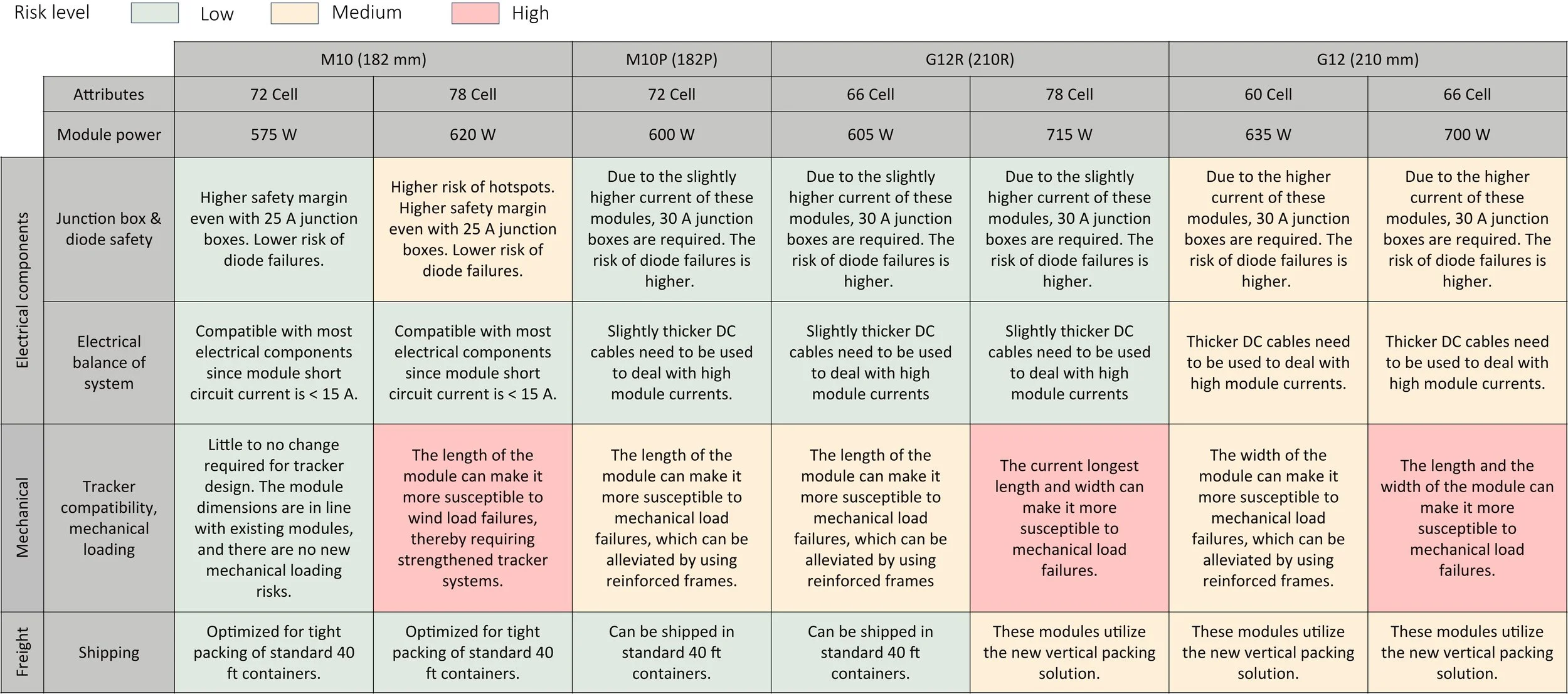
North American Clean Energy: In this article, Huatian Xu, the company’s Director of Technology and Quality, argues that higher-wattage PV modules can increase BOS costs by creating added electrical, mechanical, and shipping constraints. He says G12R offers a better balance of output and system compatibility, with fewer downstream tradeoffs.
The quarterly published PV STPR covers global and regional supply chain analysis, technology trends, and regional policy analysis.
The PV Price Forecasting Report provides independent market intelligence on changes in global supply chains and accurate forecasts for supply price scenarios based on technologies, materials, manufacturing regions and target markets, as well as supply and demand forecasts and analysis.
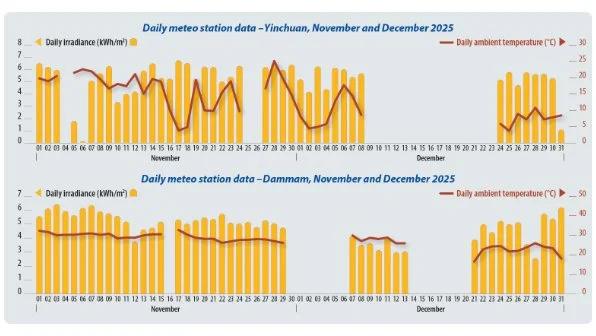
George Touloupas, Vice President of ESG and New Services at Intertek CEA, and Huatian Xu, Director of Technology and Quality, analyze the November-December 2025 results from the pv magazine test outdoor installations in Yinchuan, China, and Dammam, Saudi Arabia.
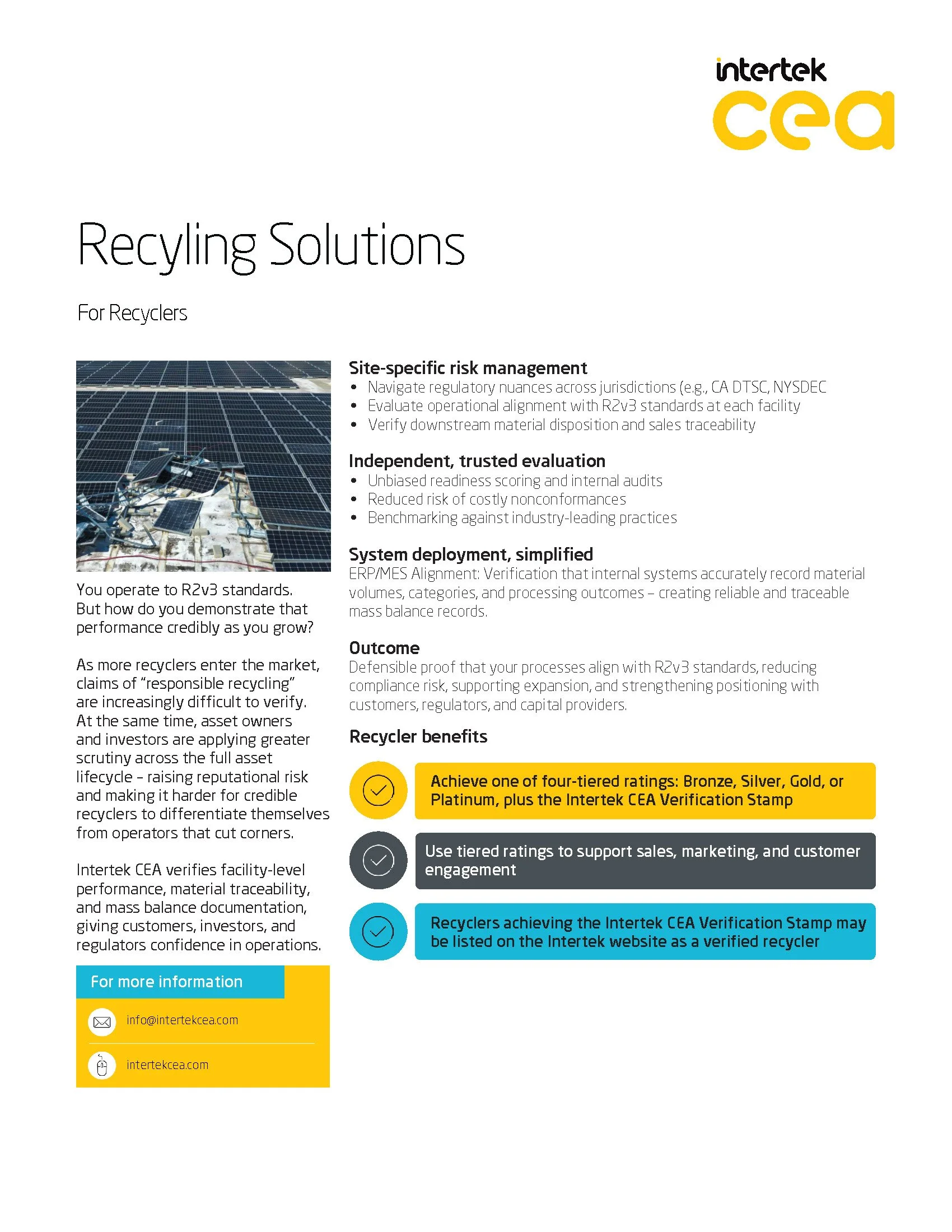
pv magazine: Scott Azevedo from Intertek CEA examines the growing challenge of how PV modules are handled at end of life and argues that by asking tougher questions, scrutinizing recycling practices, and directing volume to responsible recyclers, the solar industry can strengthen its long-term sustainability.
In this pv magazine webinar, experts from Intertek CEA and AePVI explore how developers, EPCS and investors can implement a testing and inspection program that is tailored to the specific needs of their PV plant.
Foreign Entity of Concern (FEOC) restrictions are reshaping tax credit risk for U.S. solar buyers by targeting both supply chains and company ownership. This report helps buyers interpret the rules as written, assess supplier risk, and document compliance that will stand up to future review.
The PV SMIP provides a comprehensive and unbiased analysis of the top PV module manufacturers in the world. It offers detailed insights into capacities, technology, and efficiency roadmaps, along with Manufacturing, Capacity, and Technology (MCT) ratings for each supplier.
In this webinar, Intertek CEA’s experts break down the top things every buyer should do to prepare for FEOC compliance — with practical guidance you can turn into action.
In this pv magazine Week Europe webinar, Jörg Althaus, Intertek CEA’s Director of Engineering Services & Quality Assurance, provides insights into the most common quality issues impacting PV plants today and outlines strategies to mitigate these risks.
pv magazine Test: George Touloupas, Vice President of ESG and New Services at Intertek CEA, and Huatian Xu, Director of Technology and Quality, analyze the October 2025 results from the pv magazine test outdoor installations in Yinchuan, China, and Dammam, Saudi Arabia.
pv magazine: Jörg Althaus and Huatian Xu detail how the Middle East’s rapid solar expansion is shaped by both aggressive local-content industrial policies and the region’s uniquely harsh desert conditions.
The quarterly published PV STPR covers global and regional supply chain analysis, technology trends, and regional policy analysis.