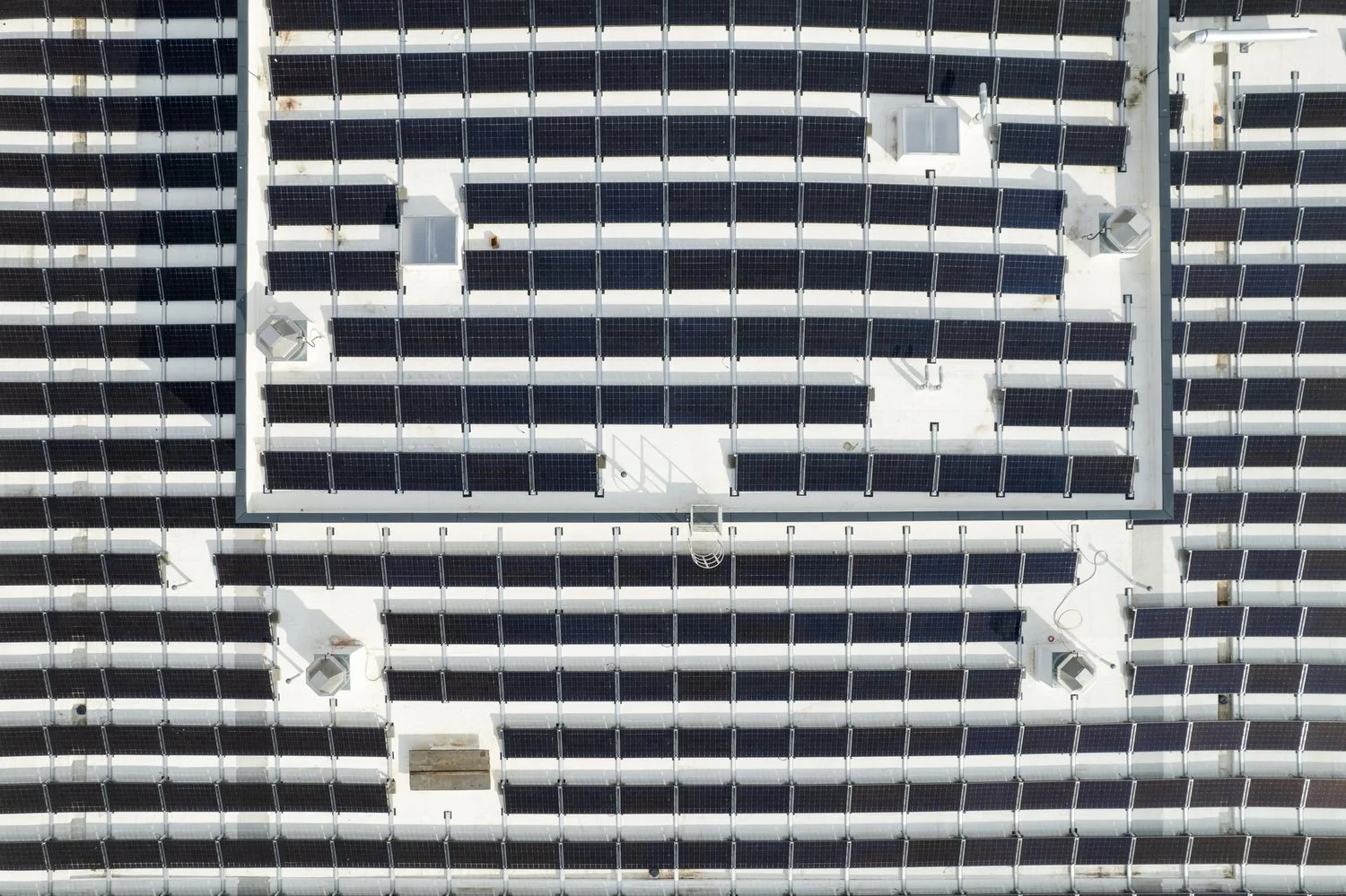
Tracker Supply Chains and Broken Glass Pose ‘Huge’ Risk for PV Project Performance
By Joerg Althaus
In this PV Tech article, Joerg Althaus, Director of Engineering Services and Quality Assurance at Clean Energy Associates, warns that racking complexity, corrosion, and evolving supply chains pose growing risks to solar PV projects. He also stresses that thinner, larger modules are increasingly prone to glass breakage and defects, underscoring the need for rigorous quality control and trusted partnerships.”

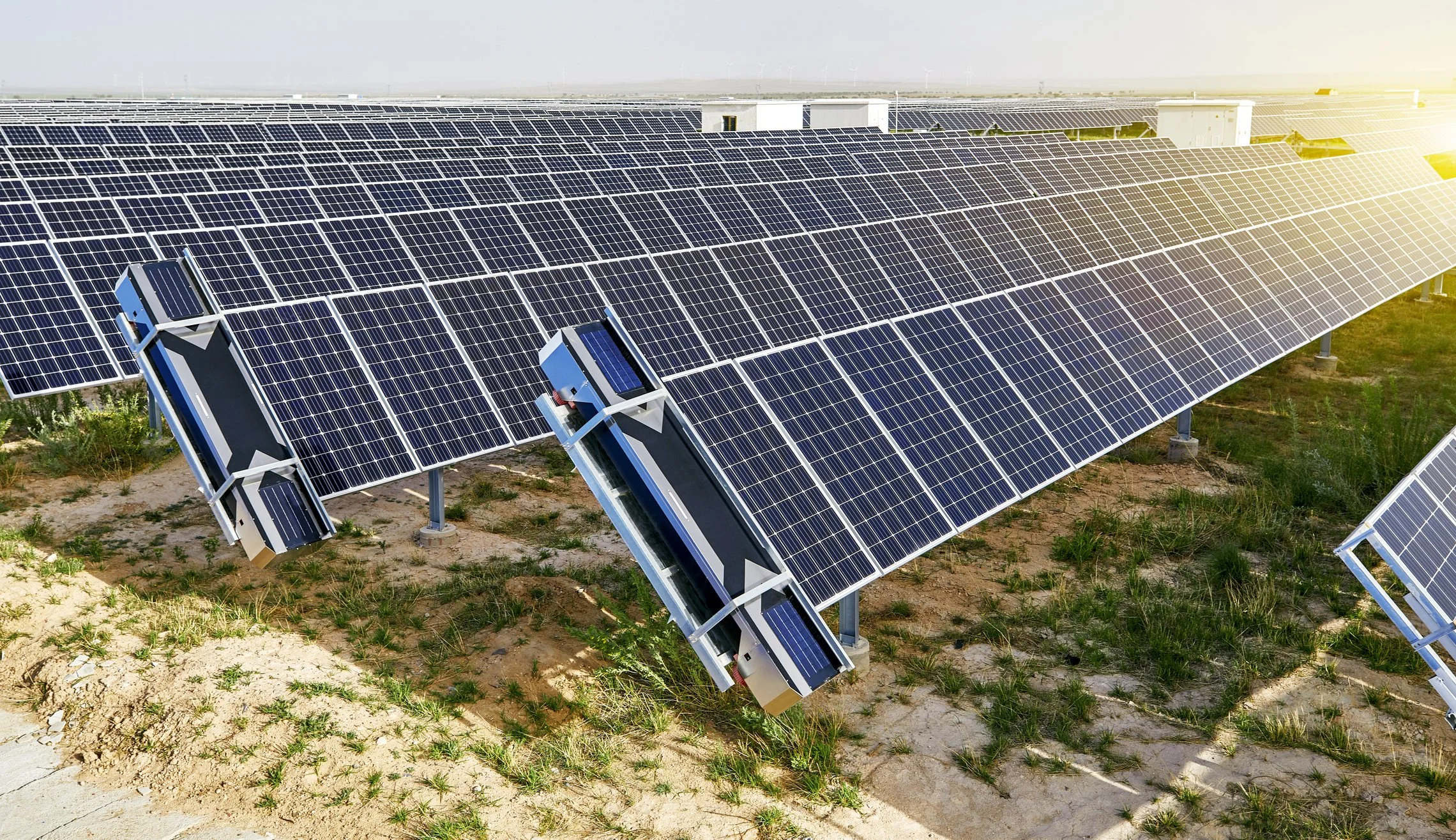
Racking supply chains and assessments (pictured) are often complex, Joerg Althaus said.
Just as the big-picture challenges facing solar PV projects change—from trade and political uncertainty to economic shocks and growing public opposition to utility-scale solar—some aspects of the technology at large have stabilised.
Readily available low-priced modules and the consolidation of the major Chinese manufacturers around tunnel oxide passivated contact (TOPCon) technology has brought predictability to the stuff of solar, even as the political landscape goes through another spasm. However, this is not to say that this stabilisation has eliminated every technical issue associated with the sector…
Read the full PV TECH article.
Joerg Althaus is Director of Engineering Services and Quality Assurance at CEA.
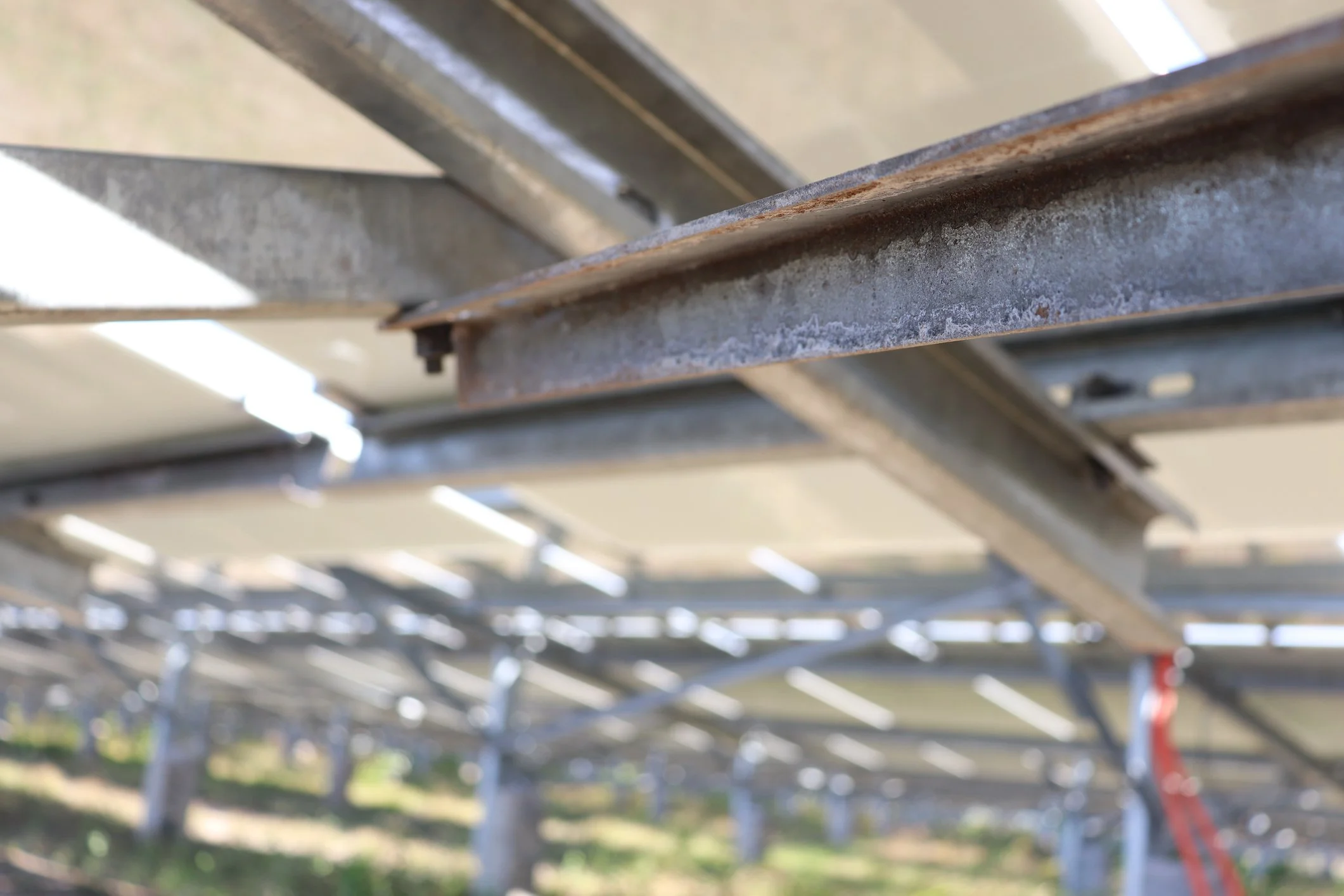
pv magazine: Over a 30-year asset life, corrosion can escalate into a structural, electrical, and fire safety risk that raises O&M costs, weakens resilience to extreme events, and can ultimately lead to premature decommissioning or full structural replacement, as advised by Intertek CEA’s Nicholas Hudson and Ankil Sanghvi.
Case Study: Intertek CEA identified a hidden mismatch between the design documents and the factory-assembled tracker + cleaning robot system before it could impact the project. Catching it early helped the client avoid delays, rework, and long-term performance risk.
PV Tech: Joerg Althaus, Intertek CEA’s Director of Engineering Services and Quality Assurance, warns that racking complexity, corrosion, evolving supply chains, and rising glass breakage risks pose growing challenges to solar PV projects.
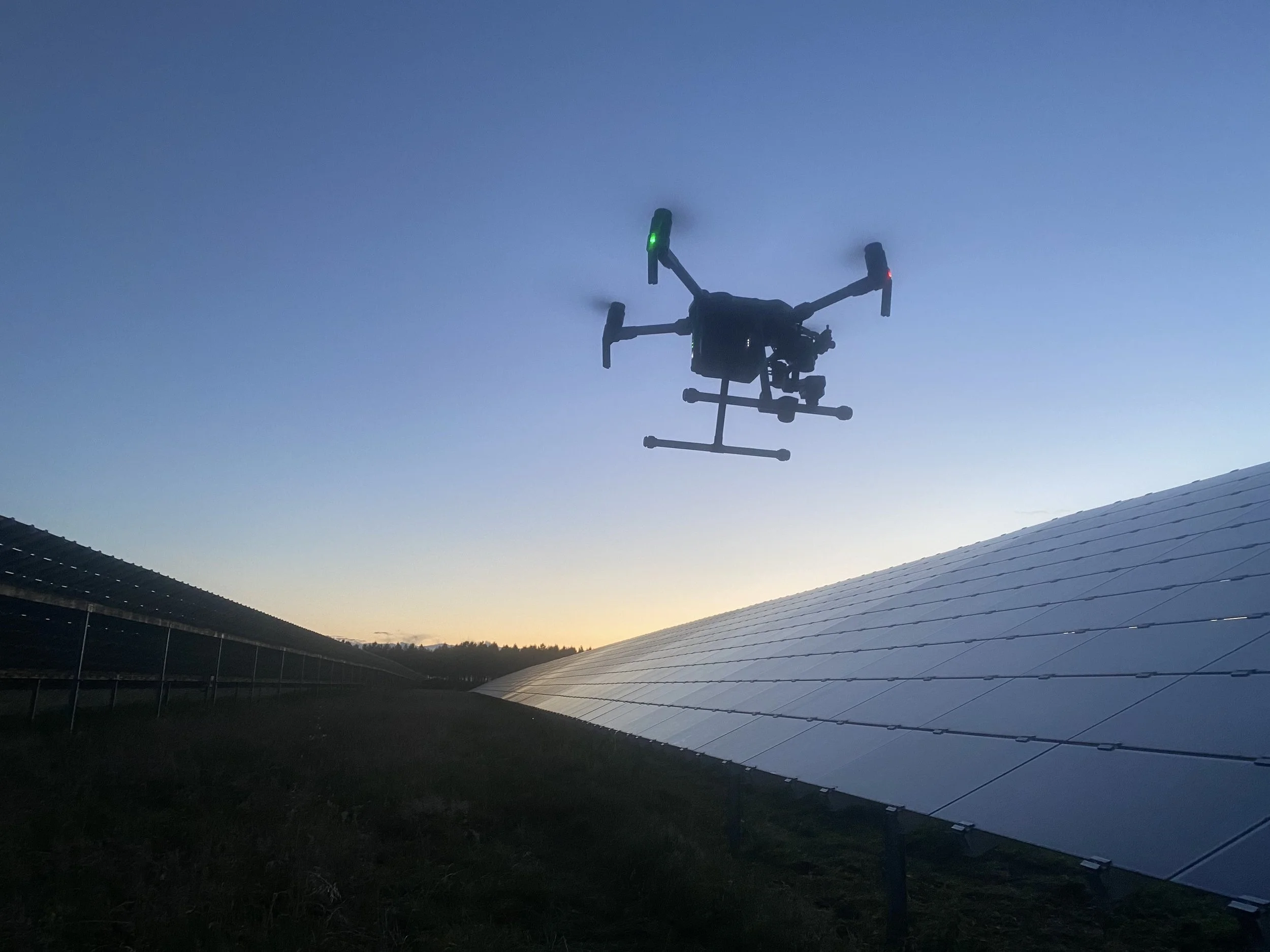
pv magazine: Jörg Althaus of Intertek CEA and Andreas Fladung of Aerial PV Inspection highlight how electroluminescence (EL) testing — including drone-based approaches — can uncover microcracks, early degradation, and installation-related damage.
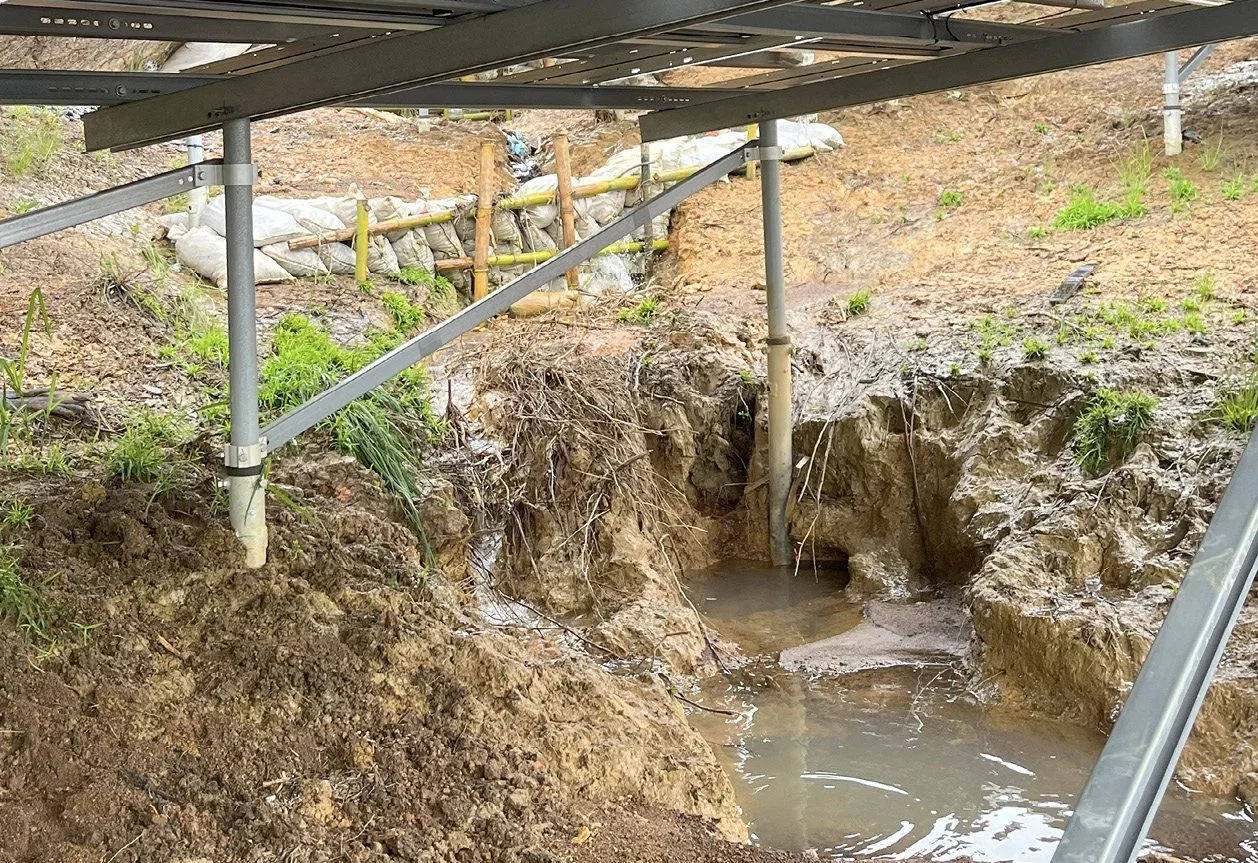
pv magazine: Intertek CEA's engineering experts highlight how overlooked site-specific challenges such as poor soil conditions, flash floods, complex terrain, and extreme wind loading in Southeast Asia can derail solar projects if not addressed early through rigorous engineering and civil due diligence.
pv magazine: Solar modules are growing larger, thinner, and more powerful—but a recurring issue is emerging worldwide: broken glass. According to Intertek CEA’s Joerg Althaus, these cracks often start near the frame or clamps and can spread from a few panels to thousands, without any obvious cause like hail or mishandling.
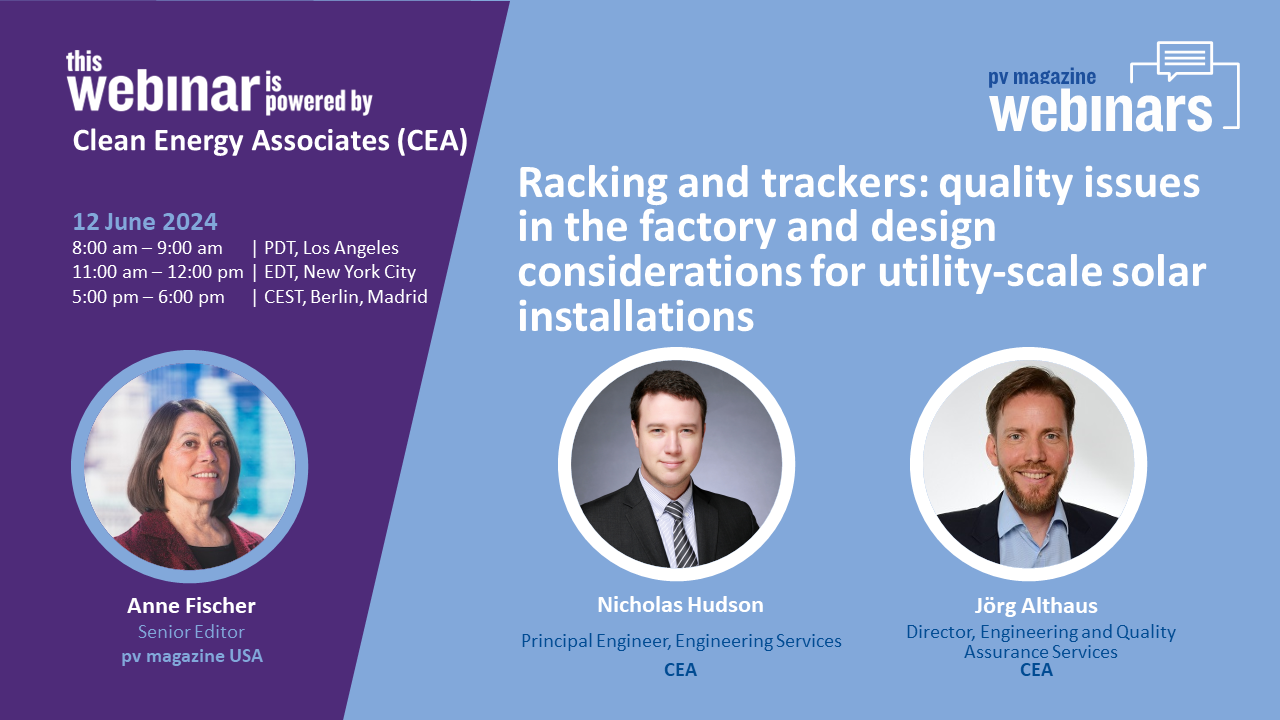
In this pv magazine Webinar, Nicholas Hudson, Principal Engineer Engineering Services, and Jörg Althaus, Director Engineering and Quality Assurance Services, discuss common issues during production, what the downstream impact of those issues are, and action that can be taken to prevent these risks.
Successful solar project acquisition depends on evaluating the technology and engineering choices made—modules, inverters, racking systems, and production models. This post dives deep into how these decisions provide insights to corporate renewable energy buyers, ensuring the project's viability and performance.
Explore the essentials of technical due diligence for solar PV systems. This series begins with a focus on site assessments, addressing challenges from foundation types to weather impacts for both ground and rooftop installations.