FEOC Compliance Doesn’t End at Signing. Here’s Where It Actually Breaks Down
By Jordan Wilson
This article was originally published in PV Tech.
FEOC compliance for solar projects can break down long after contracts are signed, as supplier ownership changes, IP licensing arrangements, or component substitutions during production can alter a project’s eligibility for federal tax credits. In this PV Tech article, Intertek CEA’s Jordan Wilson argues that developers need ongoing supplier monitoring, independent audits, bill-of-material controls, and contractual indemnification to manage FEOC risk through production, delivery, and project completion.
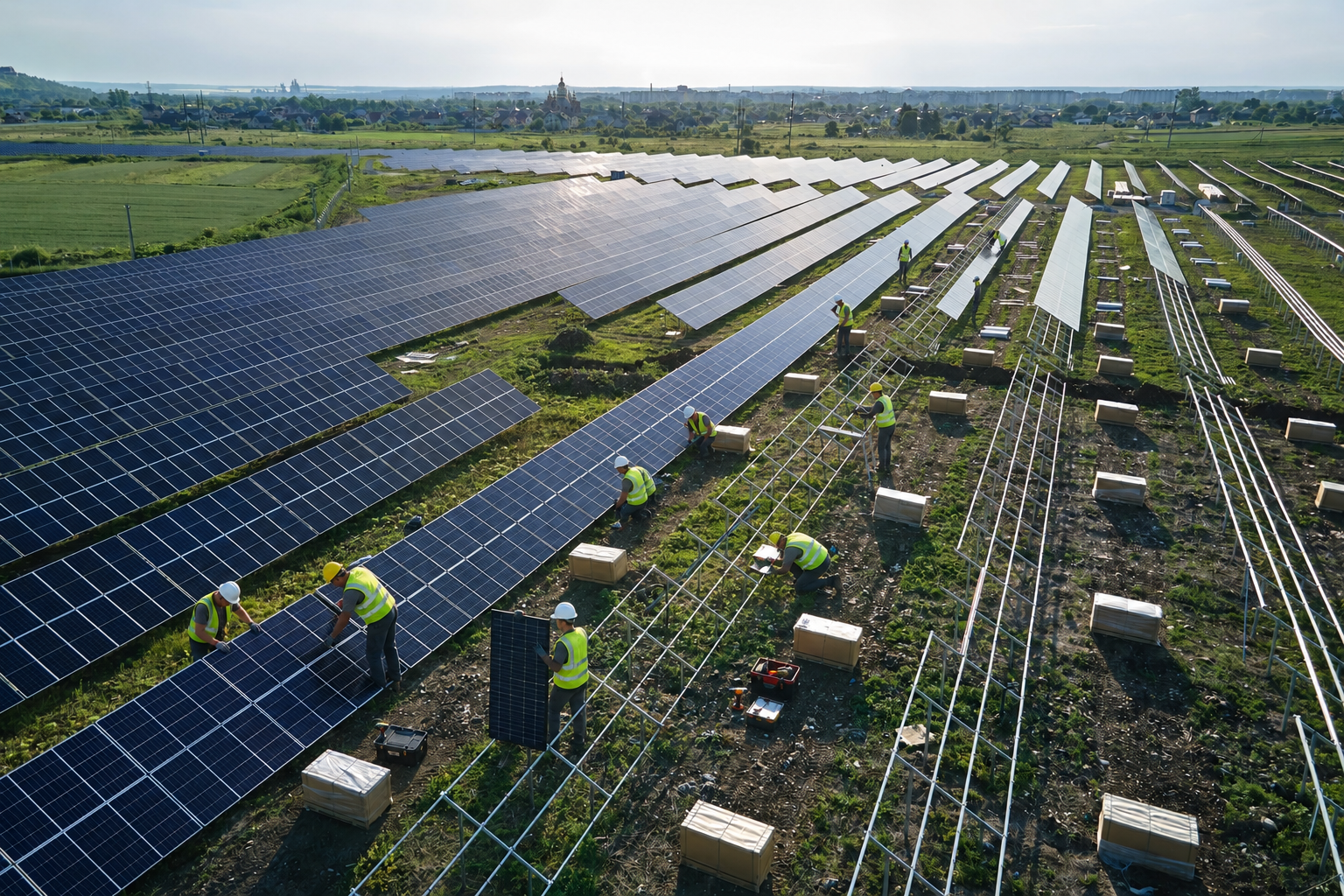
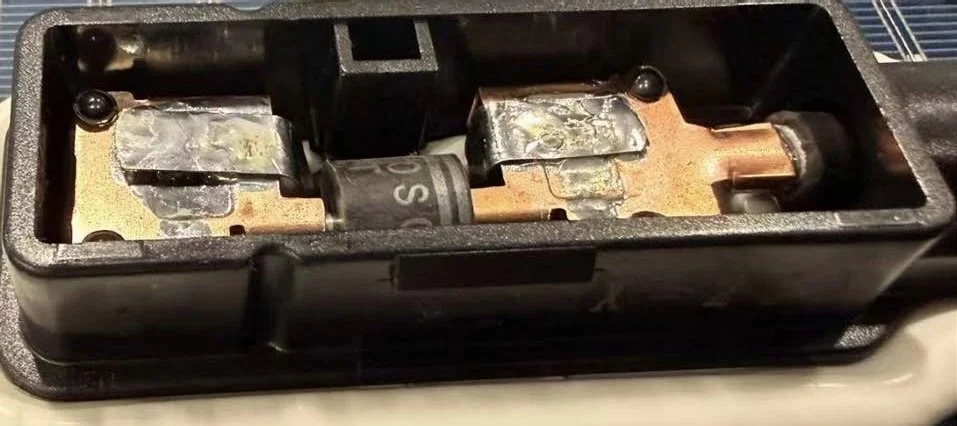
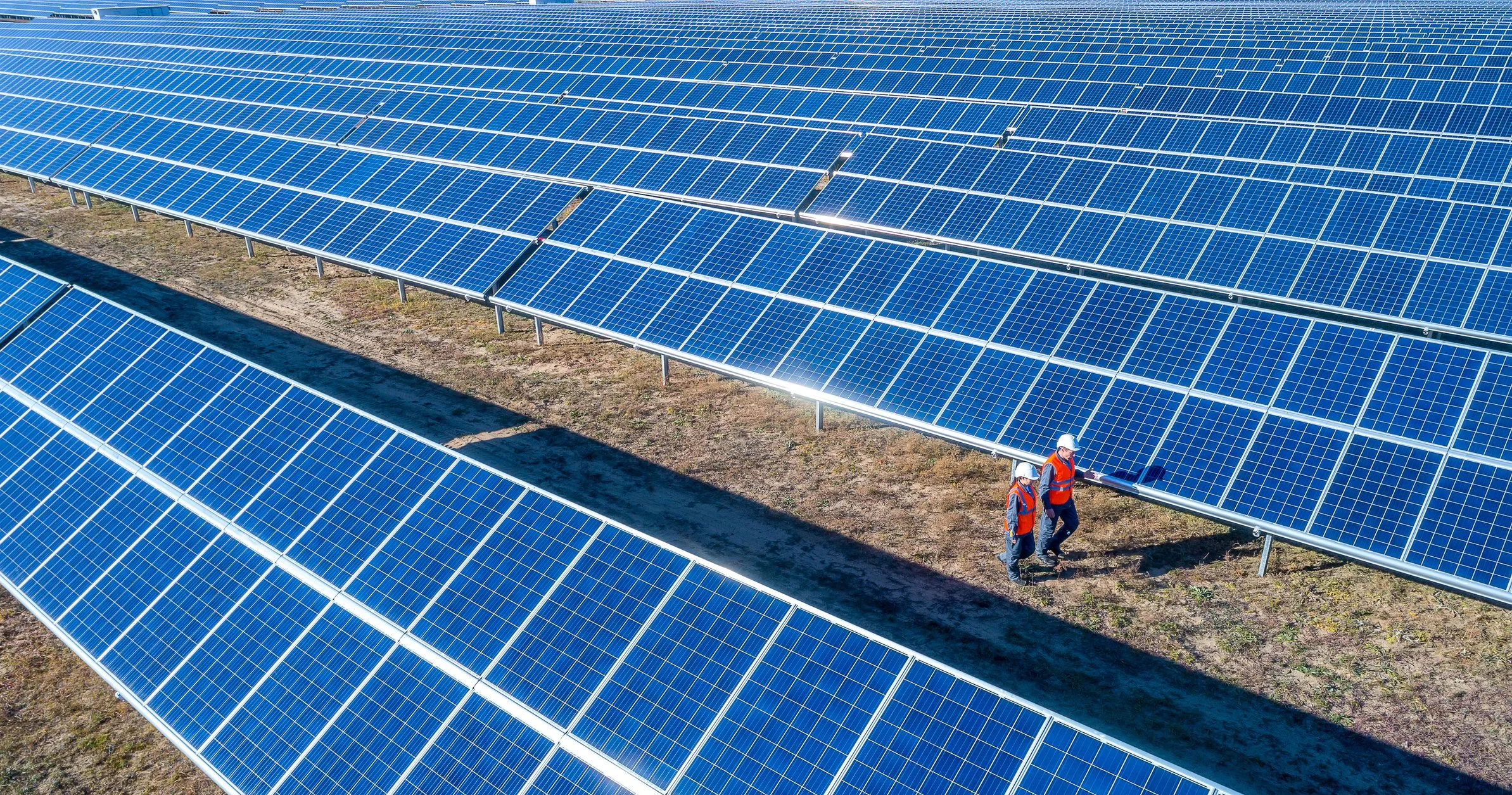
FEOC exposure is not always visible, requiring careful due diligence. Image: Consumers Energy.
A frame supplier changes midway through production. To the manufacturer, it is a routine commercial decision—a better price, shorter lead time, components already in stock.
To the developer, it is invisible. The original Foreign Entity of Concern (FEOC) audit reflected what was planned. The certification was signed before production began. Nobody flagged the change because nobody outside the factory knew it had happened.
The material assistance cost ratio (MACR), calculated when the project reached completion, reflected the substitution. The developer’s credit was at risk. A team that had done everything the compliance process asked of them was left holding tax credit exposure they had no reason to expect.
Read the full article here.
Jordan Wilson is director of business development, Intertek CEA.