Achieving FEOC Compliance: What Every U.S. Solar Buyer Should Know
In this webinar, Intertek CEA’s experts break down the top things every buyer should do to prepare for FEOC compliance — with practical guidance you can turn into action.

As the U.S. solar market races toward 2026, one requirement stands out for project developers and asset owners: building a supply chain that meets the Inflation Reduction Act’s Foreign Entity of Concern (FEOC) rules. Access to tax credits — and therefore project economics — now hinges on ensuring that FEOC regulatory requirements are not crossed and FEOC-linked content does not exceed allowable thresholds.
Understanding FEOC is more than reading the legislation. It requires aligning policy interpretation, supplier due diligence, and evidence-based traceability into one coherent strategy. Until final guidance is issued, prudency comes from scenario planning.
Speakers:
Christian Roselund, Senior Policy Analyst
Paul Wormser, Senior Vice President, Technology
George Touloupas, Vice President, ESG & New Services
Energy Storage Summit USA webinar content:
What exactly are the FEOC rules, and what do they require?
A clear explanation of what FEOC means under IRA guidance, where policymakers are still adjusting definitions, and what upcoming rulemaking will mean for procurement in the coming yearsHow can you find suppliers who meet FEOC requirements?
Learn where FEOC exposure is most likely to appear in module, cell, wafer, and polysilicon supply chains - and how to evaluate supplier pathways, negotiate compliant contracts, and avoid hidden risks.
What evidence do you need to prove FEOC compliance?
Learn how to collect documentation, use traceability audits to validate your supply chain, and how to identify “flags” that indicate a supplier may be linked to restricted entities.
This session brings policy, supply chain, and traceability experts together — giving you clarity, practical steps, and a roadmap to de-risk FEOC exposure before contracts are signed.

In this Energy Storage Summit USA webinar, Intertek CEA’s experts break down the top things every buyer should do to prepare for FEOC compliance — with practical guidance you can turn into action.
In this pv magazine Week Europe webinar, Jörg Althaus, Intertek CEA’s Director of Engineering Services & Quality Assurance, provides insights into the most common quality issues impacting PV plants today and outlines strategies to mitigate these risks.
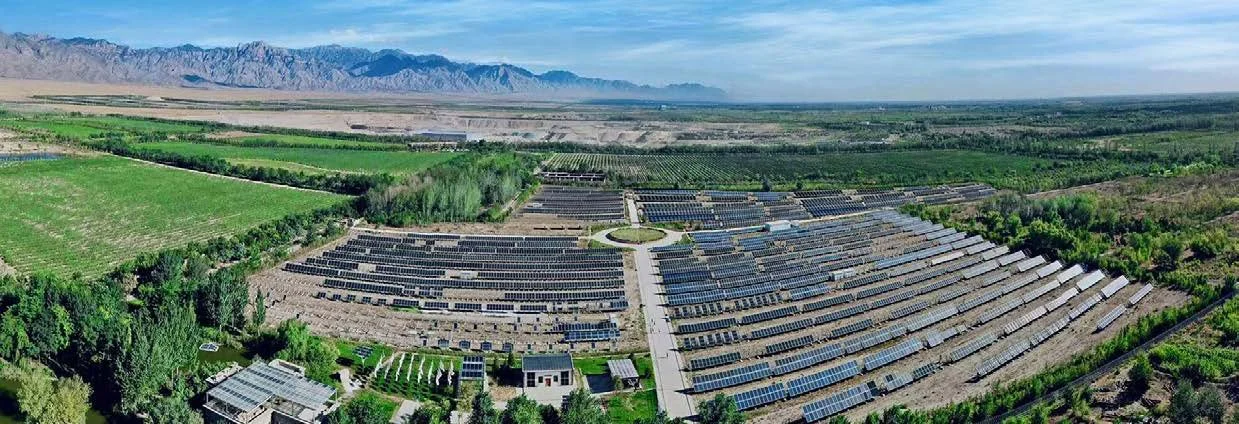
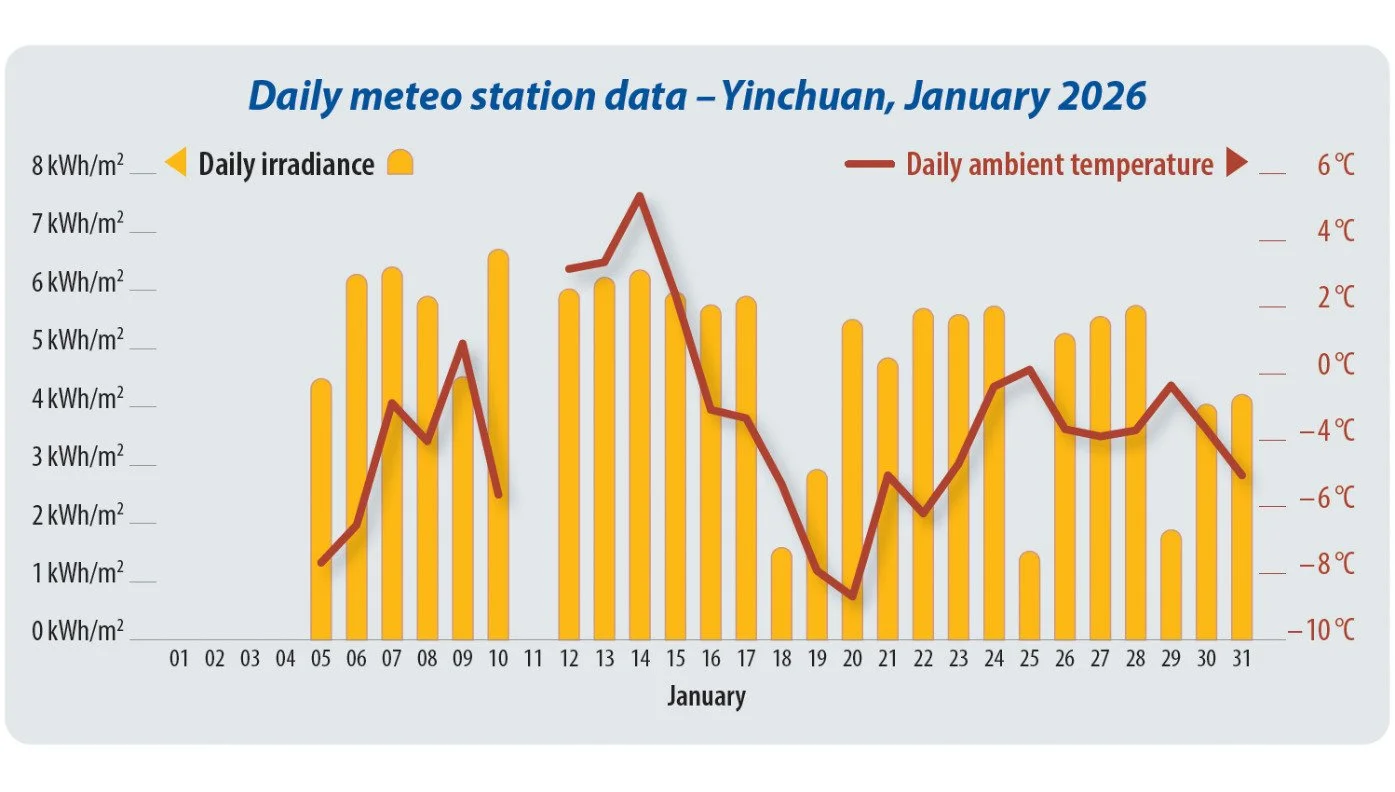
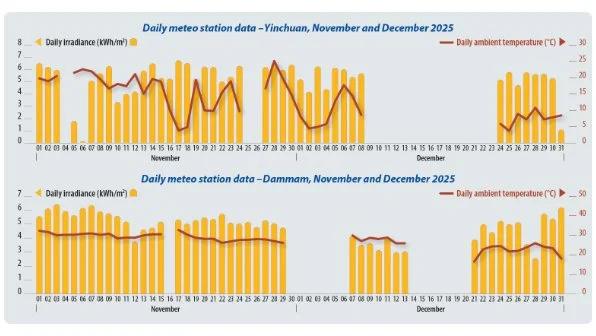
George Touloupas, Vice President of ESG and New Services at Intertek CEA, and Huatian Xu, Director of Technology and Quality, analyze the October 2025 results from the pv magazine test outdoor installations in Yinchuan, China, and Dammam, Saudi Arabia.
In this pv magazine article, Jörg Althaus and Huatian Xu detail how the Middle East’s rapid solar expansion is shaped by both aggressive local-content industrial policies and the region’s uniquely harsh desert conditions.
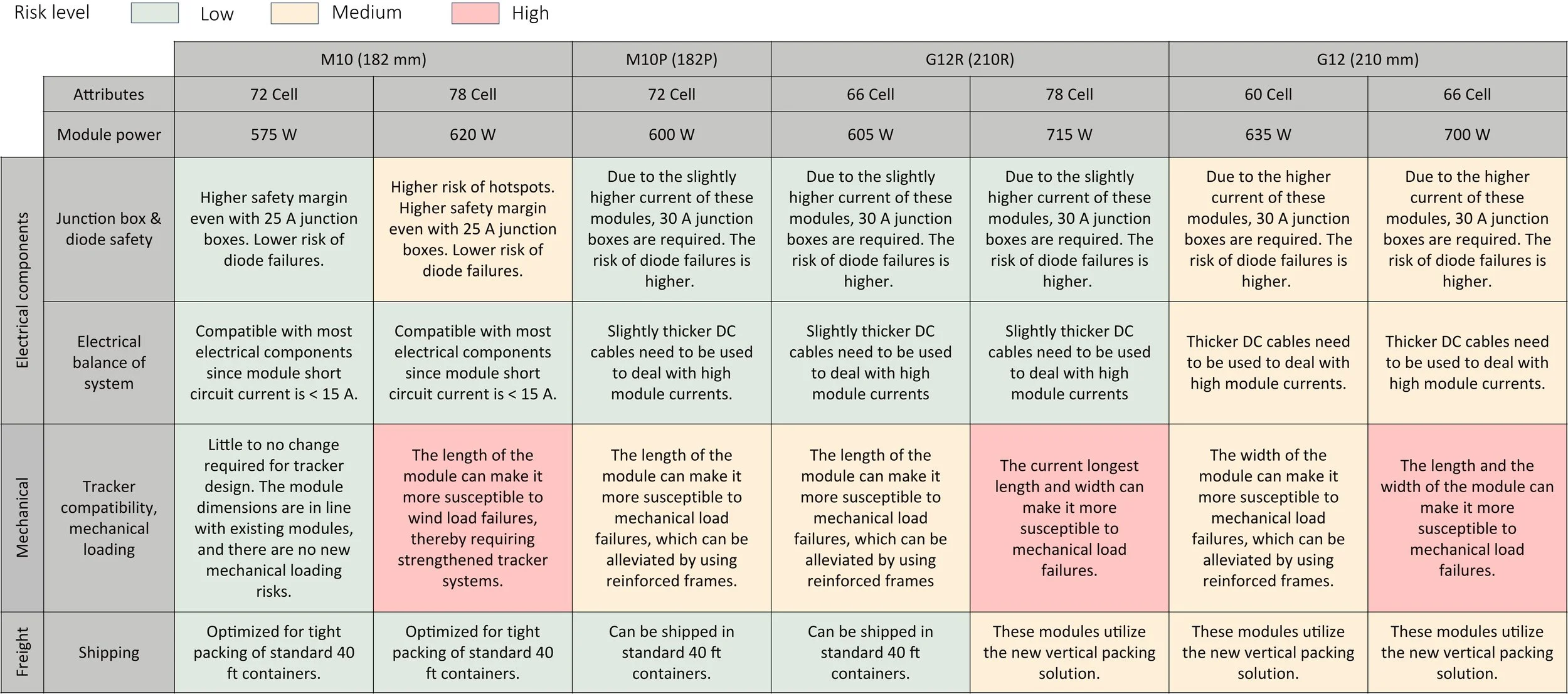
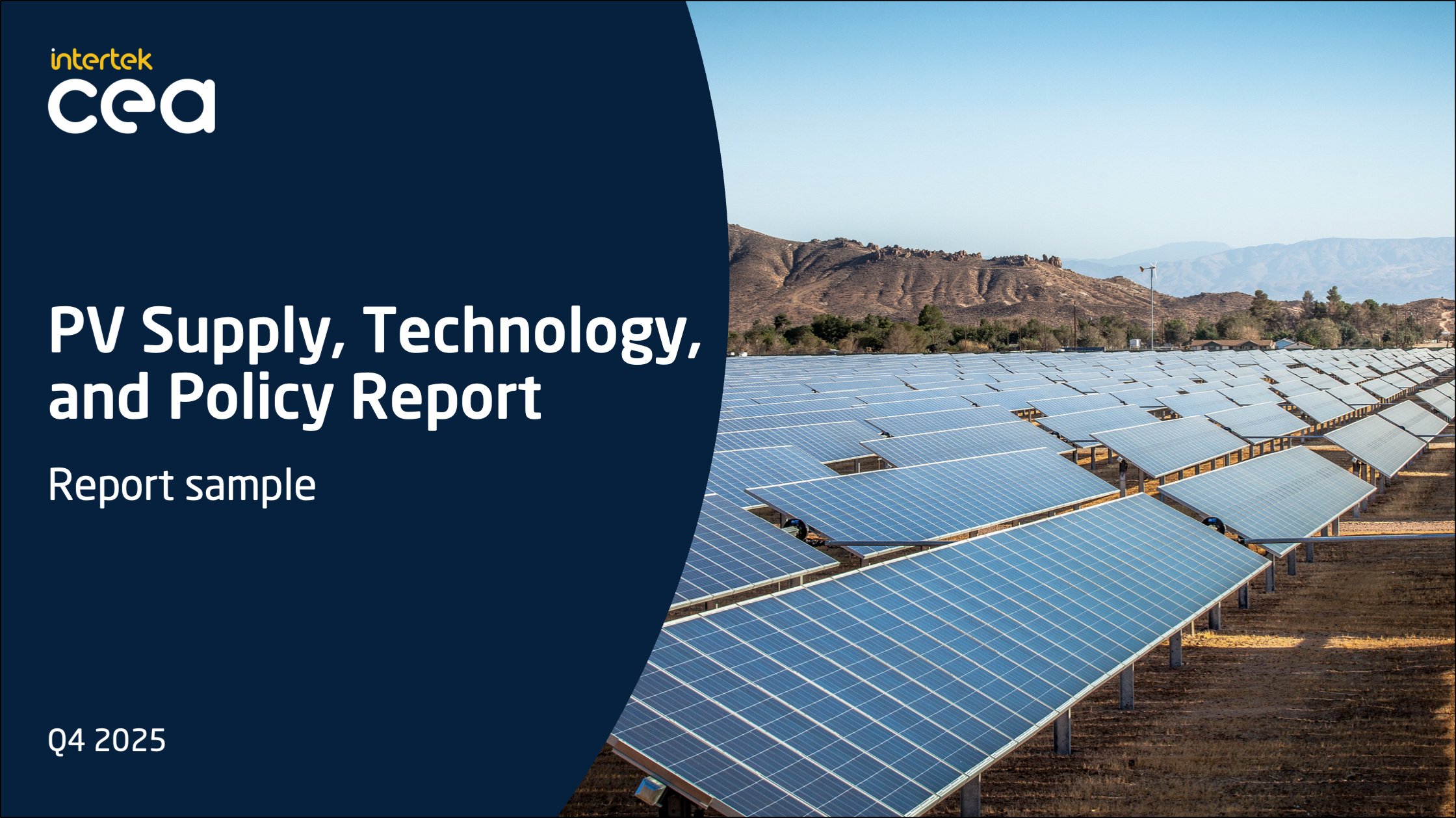
The quarterly published PV STPR covers global and regional supply chain analysis, technology trends, and regional policy analysis.
The PV Price Forecasting Report provides independent market intelligence on changes in global supply chains and accurate forecasts for supply price scenarios based on technologies, materials, manufacturing regions and target markets, as well as supply and demand forecasts and analysis.
In this PV Tech article, George Touloupas, Intertek CEA’s vice president of environmental, social and governance (ESG) and new services, outlines how rapidly expanding ESG regulations—spanning UFLPA, CSRD, CSDDD and emerging forced-labour laws—are pushing Europe’s solar sector toward unprecedented supply-chain transparency.
In this webinar, Dan Finn-Foley, Director of Energy Storage Market Intelligence at Intertek CEA, joins experts at Orennia to discuss the outlook on trends and FEOC elements affecting storage
George Touloupas, Vice President of ESG and New Services at Intertek CEA, and Huatian Xu, Director of Technology and Quality, analyze the September 2025 results from the pv magazine test outdoor installations in Yinchuan, China, and Dammam, Saudi Arabia.
The PV SMIP provides a comprehensive and unbiased analysis of the top PV module manufacturers in the world. It offers detailed insights into capacities, technology, and efficiency roadmaps, along with Manufacturing, Capacity, and Technology (MCT) ratings for each supplier.
In this pv magazine USA Week session, Joseph Johnson, Associate Director of Market Intelligence, shares his insights on the challenges facing the U.S. solar supply chain, the drive toward domestic manufacturing, and strategies for navigating trade restrictions and compliance.
Christian Roselund, Intertek CEA’s Senior Policy Analyst, joins the SunCast Media Podcast to decode how FEOC is reshaping the way projects are sourced, engineered, financed, and papered across the U.S. solar and storage market.
George Touloupas, Vice President of ESG and New Services at Intertek CEA, and Huatian Xu, Director of Technology and Quality, analyze the August 2025 results from the pv magazine test outdoor installations in Yinchuan, China, and Dammam, Saudi Arabia.
In this pv magazine article, George Touloupas, vice president ESG and New Services at Intertek CEA, outlines the growing environmental, social, and governance (ESG) obligations facing the solar and energy storage industries as global renewable deployment accelerates.
Christian Roselund, Senior Policy Analyst at Intertek CEA, joins the Clean Power Hour podcast to break down the intricate web of rules, tariffs, and supply chain constraints affecting the clean energy industry.
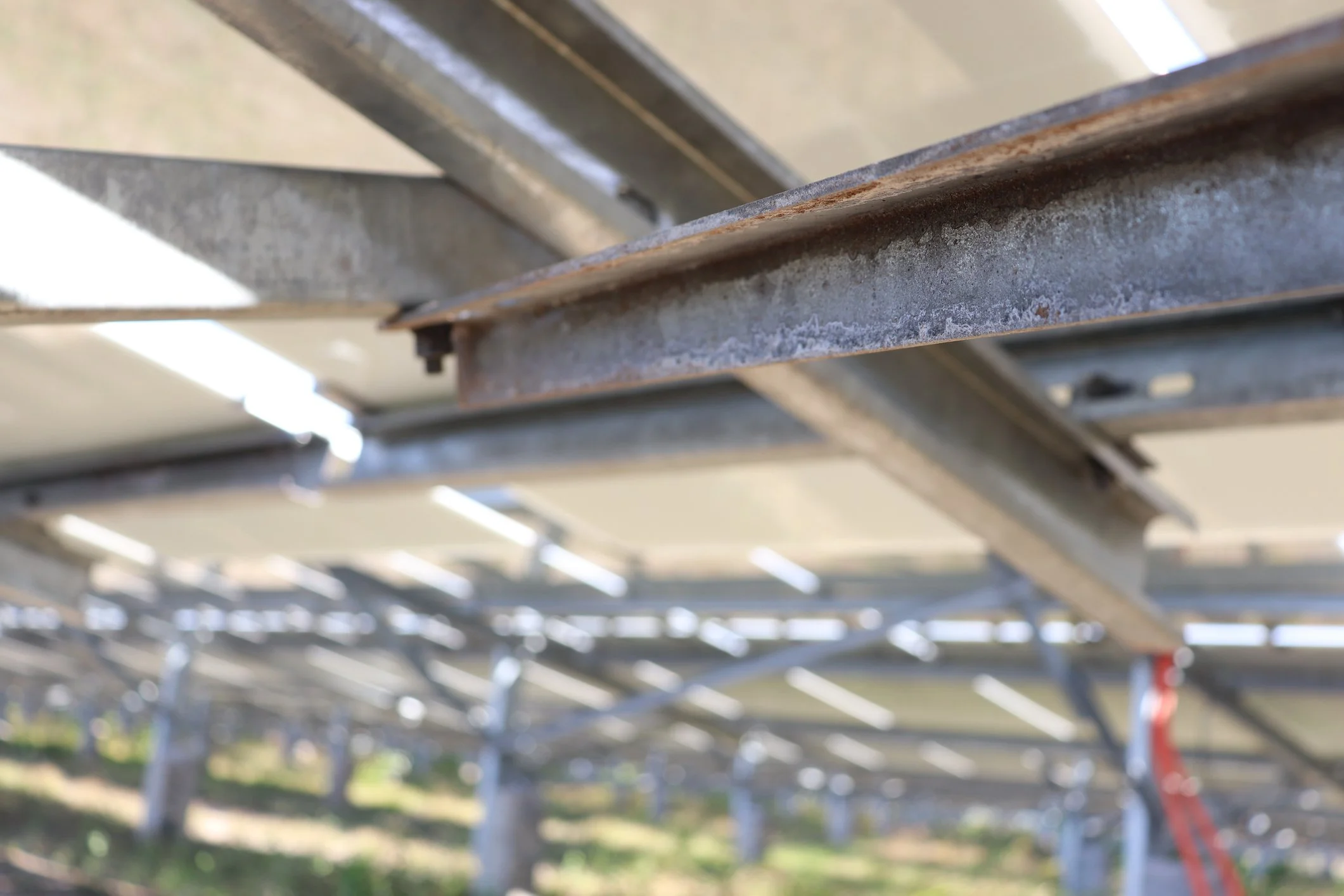
In this PV Tech article, Joerg Althaus, Intertek CEA’s Director of Engineering Services and Quality Assurance, warns that racking complexity, corrosion, evolving supply chains, and rising glass breakage risks pose growing challenges to solar PV projects.
George Touloupas, Vice President of ESG and New Services at Intertek CEA, and Huatian Xu, the company’s Director of Technology and Quality, analyze the first three months of performance data from the new pv magazine outdoor test installation in Dammam, Saudi Arabia.
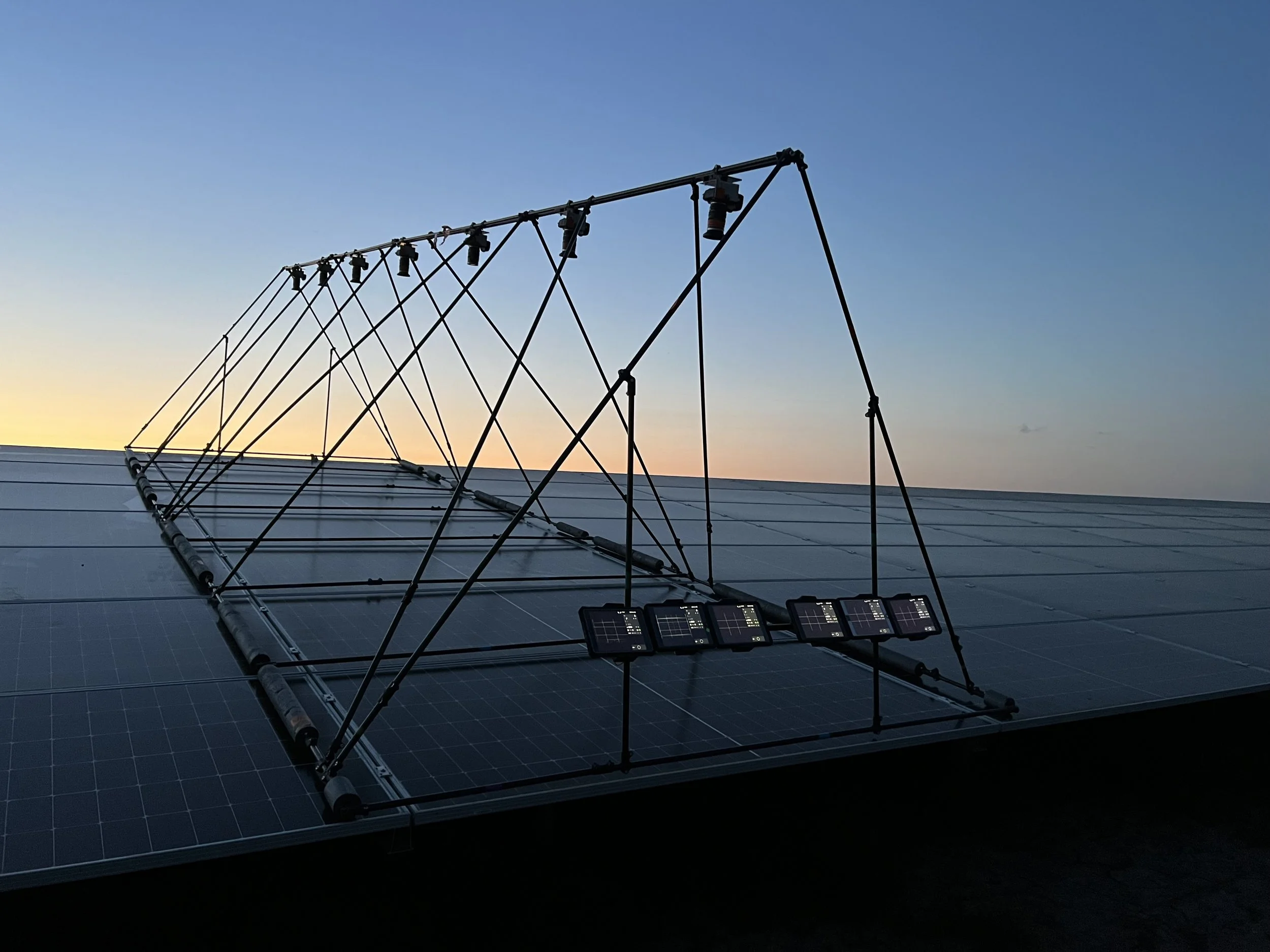
In this PV Magazine article, Jörg Althaus of Intertek CEA and Andreas Fladung of Aerial PV Inspection highlight how electroluminescence (EL) testing — including drone-based approaches — can uncover microcracks, early degradation, and installation-related damage.
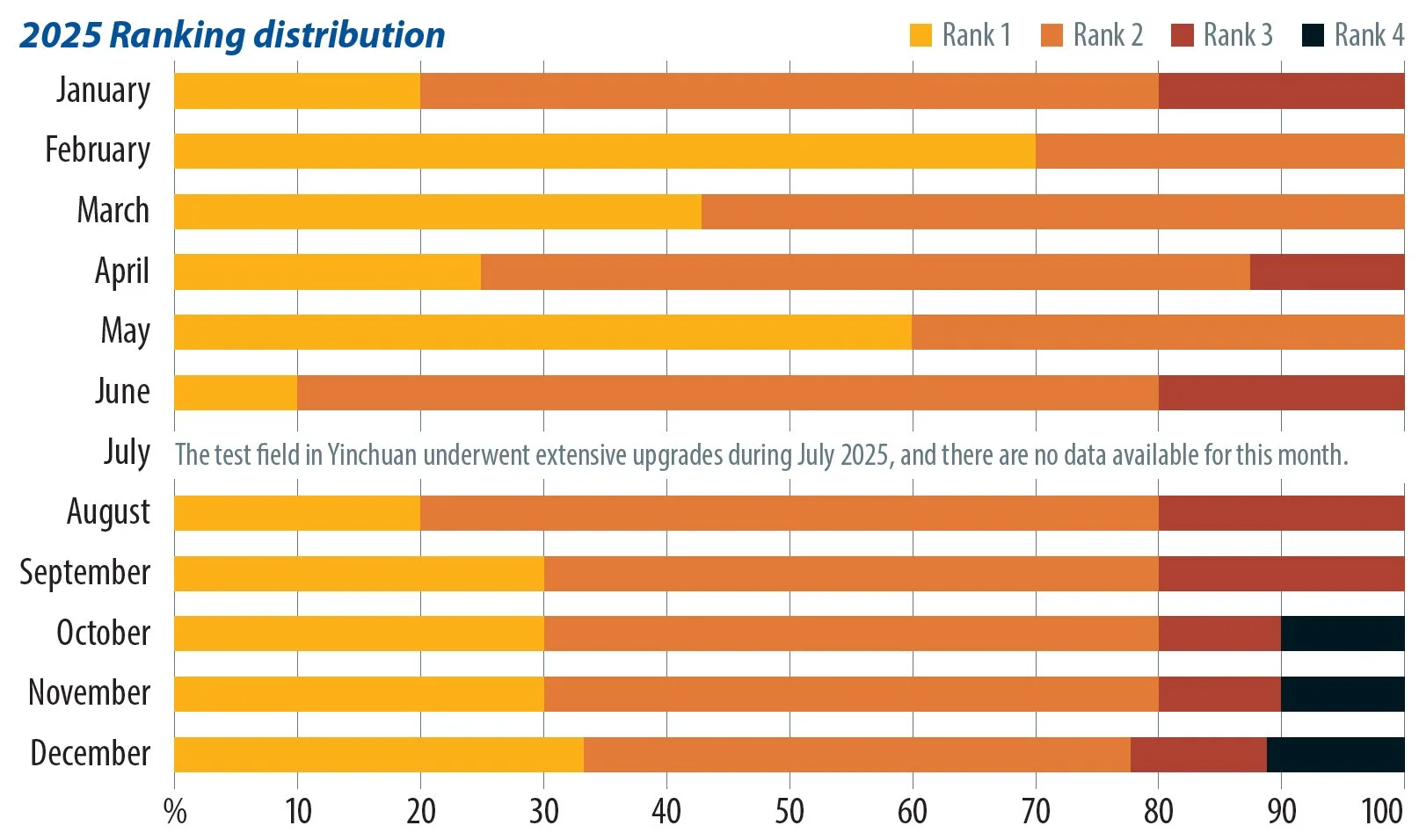
George Touloupas, Intertek CEA’s Vice President of ESG and New Services, and Huatian Xu, CEA’s Director of Technology and Quality, analyze the May and June 2025 results from the pv magazine test outdoor installation in Yinchuan, China.
The PV Price Forecasting Report provides independent market intelligence on changes in global supply chains and accurate forecasts for supply price scenarios based on technologies, materials, manufacturing regions and target markets, as well as supply and demand forecasts and analysis.
The quarterly published PV STPR covers global and regional supply chain analysis, technology trends, and regional policy analysis through early July 2025.
In this PV Magazine article, Intertek CEA's engineering experts highlight how overlooked site-specific challenges such as poor soil conditions, flash floods, complex terrain, and extreme wind loading in Southeast Asia can derail solar projects if not addressed early through rigorous engineering and civil due diligence.
In this pv magazine Webinar, Intertek CEA’s supply chain experts—George Touloupas, Vice President of ESG & New Services, and Senior Project Managers Zhuo Chen and Nicola Licata—outline key ESG risks and share best practices for documenting and mitigating them.
The PV SMIP provides a comprehensive and unbiased analysis of the top PV module manufacturers in the world. It offers detailed insights into capacities, technology, and efficiency roadmaps, along with Manufacturing, Capacity, and Technology (MCT) ratings for each supplier.
Christian Roselund, Intertek CEA’s Senior Policy Analyst, joins the SunCast Podcast to discuss the new House budget bill threats to solar.
George Touloupas, Vice President of ESG and New Services at Intertek CEA, and Huatian Xu, Intertek CEA’s Director of Technology and Quality, analyze the April 2025 results from the pv magazine test outdoor installation in Yinchuan, China.
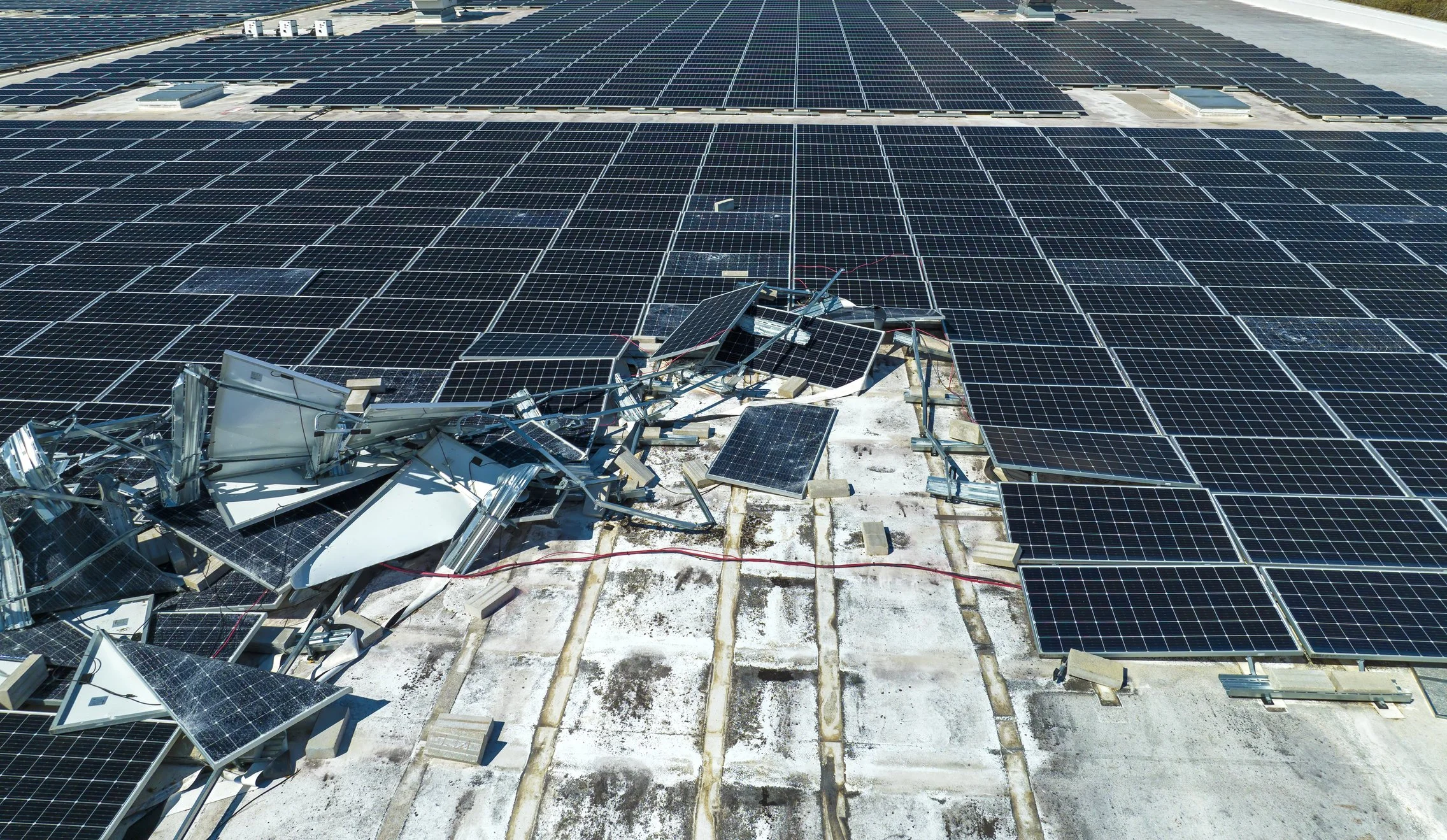
Solar modules are growing larger, thinner, and more powerful—but a recurring issue is emerging worldwide: broken glass. According to Intertek CEA’s Joerg Althaus, these cracks often start near the frame or clamps and can spread from a few panels to thousands, without any obvious cause like hail or mishandling.
Sonnedix, an international renewable energy producer, engaged Clean Energy Associates (CEA) to conduct commissioning inspections for its recently-installed solar projects. The goal of the work was to ensure that their contractor (EPC) followed the agreed scope of work. CEA provided independent verification that all work met stringent quality and safety standards.
As solar deployments continue to grow, so do the risks of module failures, underperformance, and safety hazards—many of which are preventable with the right knowledge. In this Solar Power World webinar, Intertek CEA Senior Engineering Managers Claire Kearns-McCoy and Ankil Sanghvi explain how understanding common pitfalls—from thermal events to electrical failures—can help developers avoid millions in losses.
In this PV Tech article, Martin Meyers explores how the Inflation Reduction Act is reshaping U.S. solar manufacturing incentives and project economics. He highlights the evolving challenges developers face in navigating domestic content requirements and qualifying for bonus tax credits.