
By George Touloupas
This article was originally published in pv magazine – April 2024 edition. Learn more about the pv magazine test here.
George Touloupas, senior director of technology and quality for Clean Energy Associates (CEA), analyzes the February 2024 energy-yield results from the outdoor testing field in Xi’an, China.
Restructuring of our installation has been completed, and the system was reconnected on Feb. 3, 2024. The LR5-72- HTHF-585 product from Longi uses a special frame design to reduce dust accumulation and its performance will be compared against the LR5-72-HTH 585 product, to assess its efficiency in self-cleaning.
Our measurements are inevitably impacted by multiple factors, especially differences among inverters and meters. After performing a special study, we estimate a total 1.5% relative uncertainty in the measurement system. To reduce the impact of this in ranking products’ performance, we introduced a ranking method, where products in each category that perform with a deviation smaller than 1.5% are grouped in the same rank, and each product category will have no more than four ranks (see table to the right). The average bifacial boost is 10.35% for Feb. 2024. Bifacial boost is defined as the relative advantage of the average specific energy yield of all bifacial products compared to the average specific energy yield of all monofacial PERC products.

Figure 1: Daily temperature and irradiance data - February 2024

Table 1: Bifacial boost - October 2023 to February 2024
Monthly highlight
Low temperatures and snow in Xi’an significantly impacted module performance. Snow on different modules melted at different speeds, resulting in different inverter start-up times. Snow on bifacial modules melted faster than on monofacial modules, and snow on the Recom product melted faster than any other monofacial products.

Table 2: Specific energy-yield ranking of n-type bifacial (TOPCon and HJT) modules - February 2024
Table 3: Specific energy-yield ranking of bifacial PERC modules - February 2024
Table 4: Specific energy-yield ranking of monofacial modules - February 2024
Notes on the energy yield measurements:
The energy yield comparison among various technologies, including bifacial boost, is analyzed using products installed after the beginning of 2019.
The energy yield is given in Wh/Wp and calculated by dividing the energy produced by the module by the Pmax at STC of the module. This Pmax is the maximum STC power after a process of stabilization.
The results are in categories, per module type.
The bifacial boost depends on many parameters: the bifaciality factor, the installation geometry, the albedo of the ground, and the sun angle and diffuse irradiance. The ground in this case is gray gravel.

Figure 2: Specific energy yield of n-type bifacial (TOPCon and HJT), bifacial PERC, and monofacial modules - February 2024

Energy yield related to top performer in each category.

Figure 3: Relative yield of different technologies - February 2024
Test cooperation
pv magazine test is a cooperative effort involving pv magazine, CEA, Gsolar and Hoymiles. All testing procedures are carried out at Gsolar’s test laboratory in Xi’an, China. CEA supervises these tests and designed both the indoor and outdoor testing procedures.
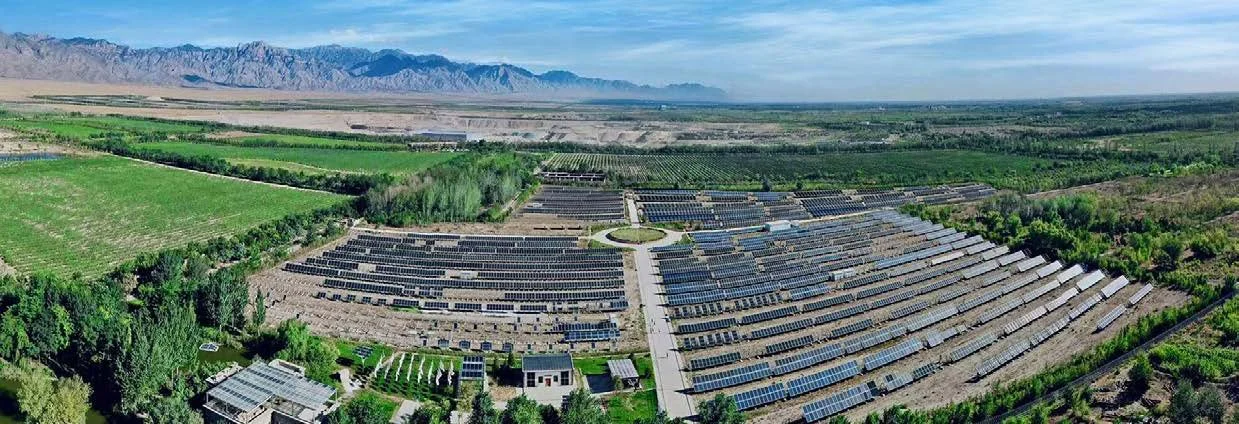
Huatian Xu explains how Intertek CEA will continue testing and monitoring PV modules independently through its own R&D program following the conclusion of the pv magazine test program earlier this year.
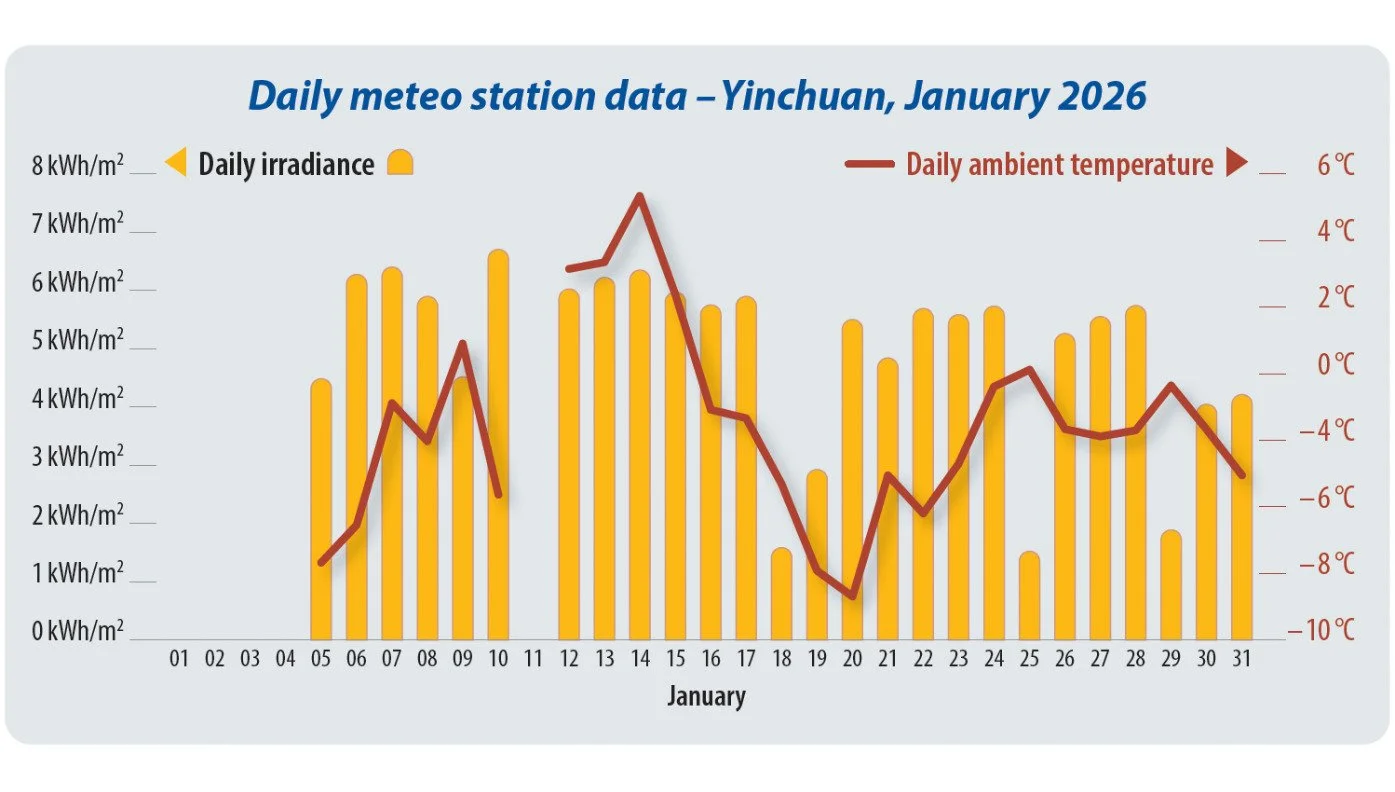
George Touloupas and Huatian Xu of Intertek CEA analyze the January 2026 results from the pv magazine test outdoor installations in Yinchuan, China, and Dammam, Saudi Arabia.
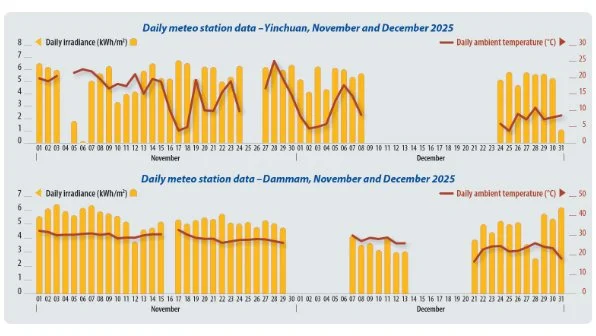
George Touloupas, Vice President of ESG and New Services at Intertek CEA, and Huatian Xu, Director of Technology and Quality, analyze the November-December 2025 results from the pv magazine test outdoor installations in Yinchuan, China, and Dammam, Saudi Arabia.
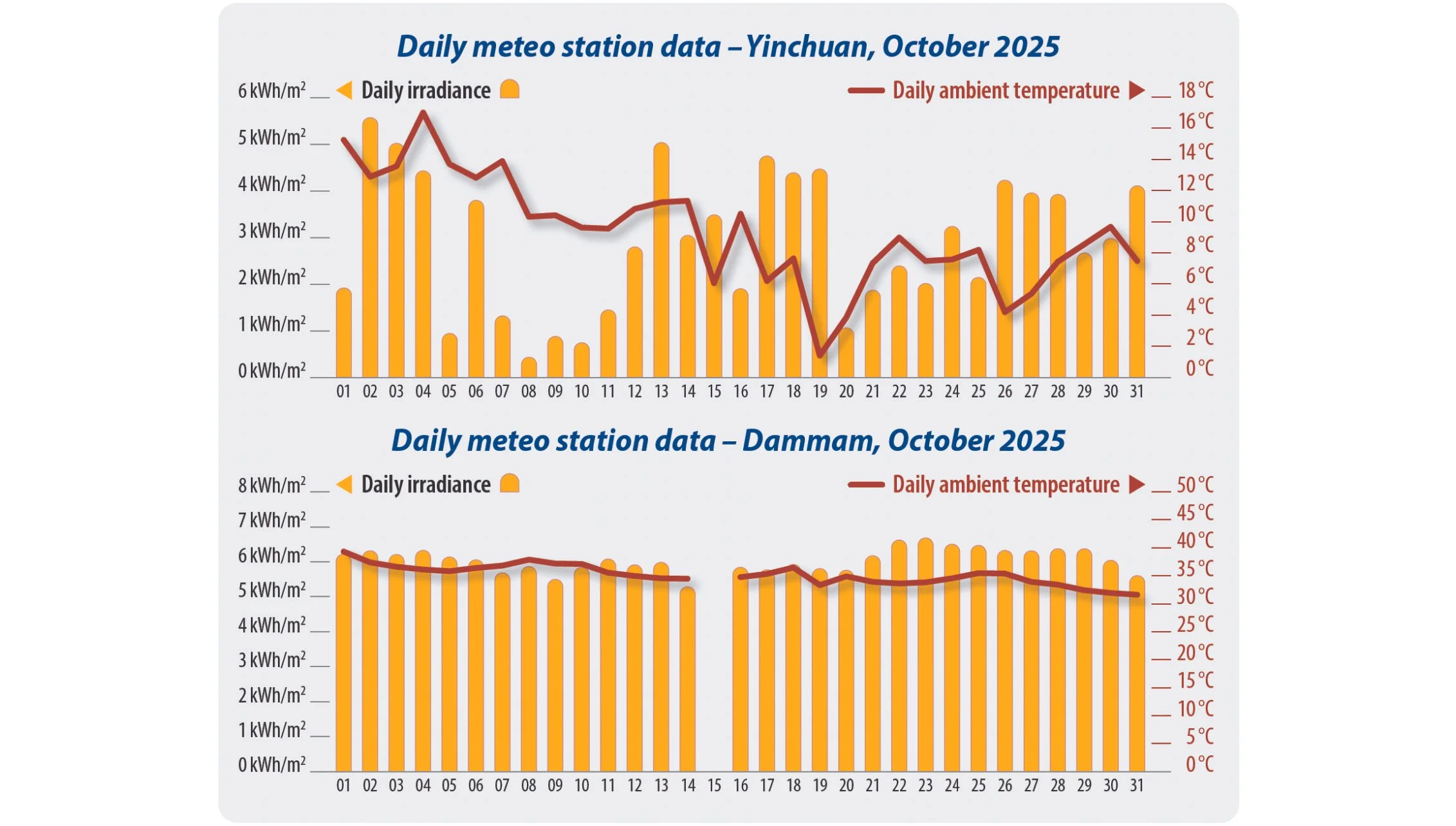
pv magazine Test: George Touloupas, Vice President of ESG and New Services at Intertek CEA, and Huatian Xu, Director of Technology and Quality, analyze the October 2025 results from the pv magazine test outdoor installations in Yinchuan, China, and Dammam, Saudi Arabia.
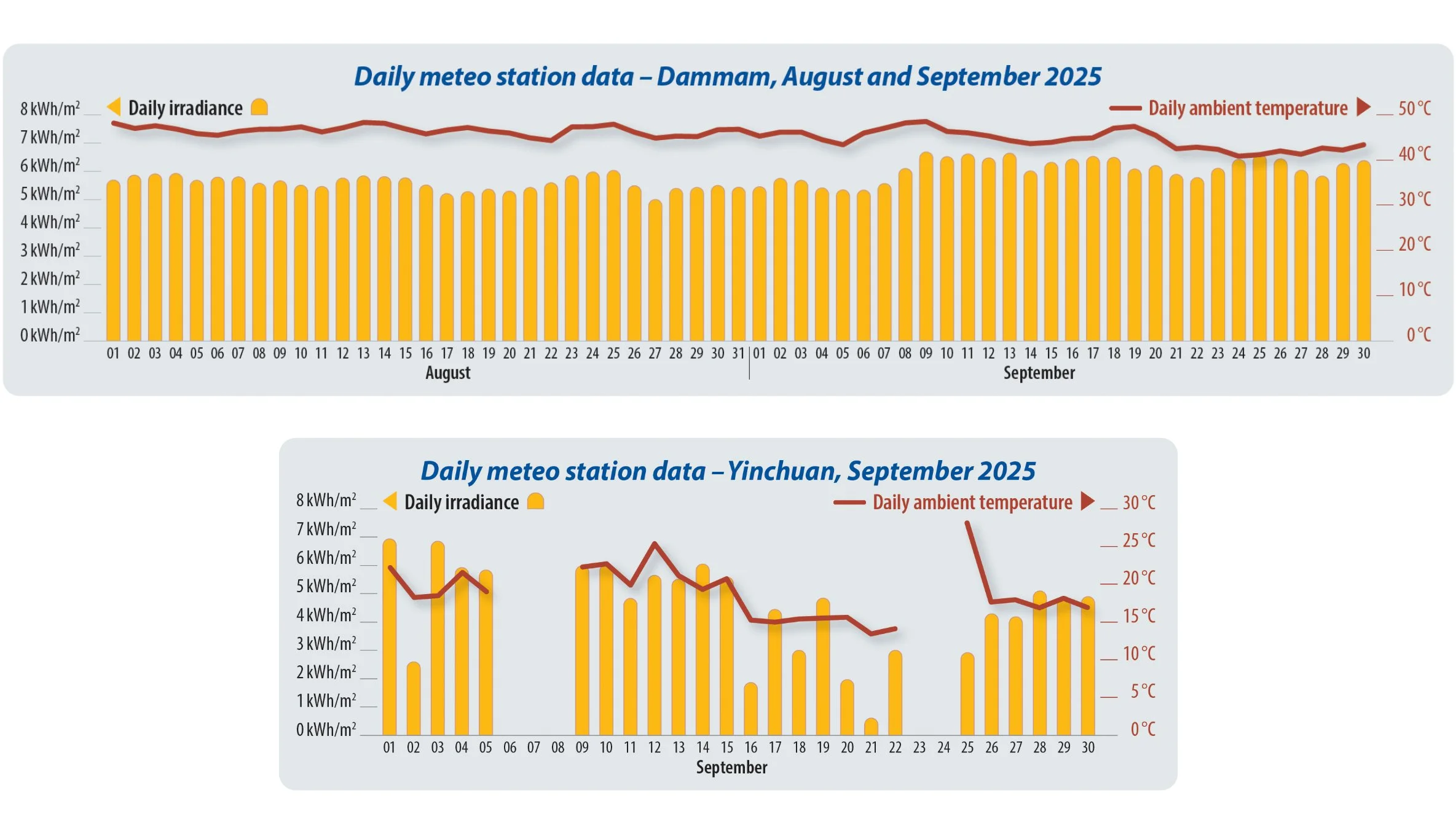
George Touloupas, Vice President of ESG and New Services at Intertek CEA, and Huatian Xu, Director of Technology and Quality, analyze the September 2025 results from the pv magazine test outdoor installations in Yinchuan, China, and Dammam, Saudi Arabia.

George Touloupas, Vice President of ESG and New Services at Intertek CEA, and Huatian Xu, Director of Technology and Quality, analyze the August 2025 results from the pv magazine test outdoor installations in Yinchuan, China, and Dammam, Saudi Arabia.

George Touloupas, Vice President of ESG and New Services at Intertek CEA, and Huatian Xu, the company’s Director of Technology and Quality, analyze the first three months of performance data from the new pv magazine outdoor test installation in Dammam, Saudi Arabia.
George Touloupas, Intertek CEA’s Vice President of ESG and New Services, and Huatian Xu, CEA’s Director of Technology and Quality, analyze the May and June 2025 results from the pv magazine test outdoor installation in Yinchuan, China.
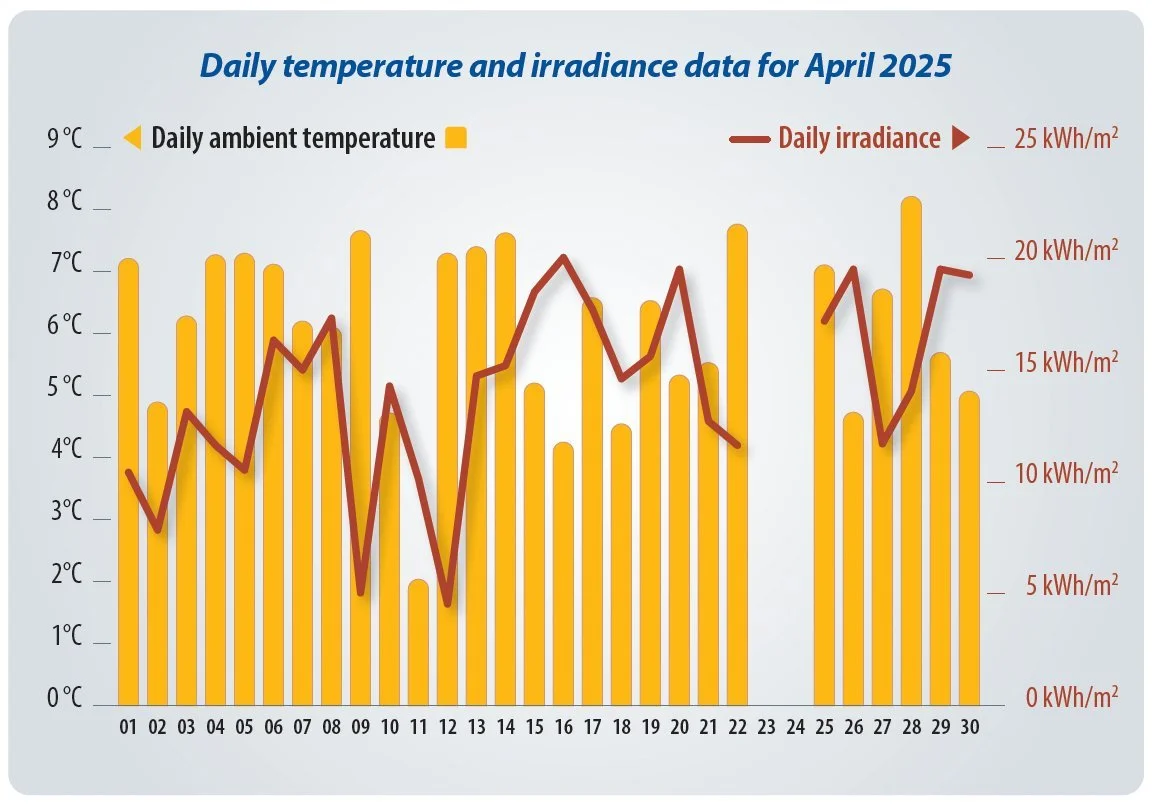
George Touloupas, Vice President of ESG and New Services at Intertek CEA, and Huatian Xu, Intertek CEA’s Director of Technology and Quality, analyze the April 2025 results from the pv magazine test outdoor installation in Yinchuan, China.

SEG Solar and Astronergy supplied new tunnel oxide passivated contact (TOPCon) modules, alongside an n-type back-contact sample from Aiko, for installation in the first week of March 2025. To add these new products to the comparison table in these results, we removed the production data from before March 7. Due to downtime for system upgrades, we also did not capture data for three days in March and therefore had to remove those days from the total energy yield calculation. Finally, three products using 210 mm square cells were removed from the data, as we identified anomalies in the production figures caused by the maximum power point tracking algorithm. The data from those products will be reported again as soon as the issues are resolved.

At the end of February 2025, three new samples - two tunnel oxide passivated contact (TOPCon) samples from SEG Solar and Astronergy and our first n-type back contact sample from Aiko – arrived in Yinchuan and were installed at the beginning of March. The outdoor data for these will be published next month.

The new outdoor test field in Yinchuan, China, began operations on Dec. 9, 2024. Due to system modifications, the data of Dec. 23 were removed. In January, we were close to getting a full month’s worth of data, but unfortunately, due to an operational error, we lost data for several modules after Jan. 24. At present, this problem has been solved and we expect that a full month’s data will be presented in the next issue of pv magazine.

After more than seven years, pv magazine test is entering a new phase. Significant changes are on the horizon as we update and overhaul the program. George Touloupas, Vice President, ESG and New Services at Clean Energy Associates (CEA), and Huatian Xu, Director of Technology and Quality at CEA, introduce the new “pv magazine test 2.0” setup to assess PV modules in the lab and outdoors.

George Touloupas, senior director of technology and quality at Clean Energy Associates, presents the November and December 2024 results from the pv magazine test site in Xi’an, China. These are the final results from this installation, as we prepare to launch a brand new pv magazine test program for 2025 – the full details will appear in next month’s edition.

George Touloupas, CEA’s Senior Director of Technology and Quality, and Huatian Xu, CEA’s Associate Director of Technology and Quality, present a summary of the 2024 pv magazine test results, the ranking throughout the year, and the trends that emerge.

George Touloupas, Senior Director of Technology and Quality for Clean Energy Associates (CEA), analyzes the October 2024 energy-yield results from the outdoor testing field in Xi’an, China.

George Touloupas, Senior Director of Technology and Quality for Clean Energy Associates (CEA), analyzes the September 2024 energy-yield results from the outdoor testing field in Xi’an, China.

George Touloupas, Senior Director of Technology and Quality for Clean Energy Associates (CEA), analyzes the August 2024 energy-yield results from the outdoor testing field in Xi’an, China.

George Touloupas, Senior Director of Technology and Quality for Clean Energy Associates (CEA), analyzes the July 2024 energy-yield results from the outdoor testing field in Xi’an, China.

George Touloupas, Senior Director of Technology and Quality for Clean Energy Associates (CEA), analyzes the June 2024 energy-yield results from the outdoor testing field in Xi’an, China.

George Touloupas, Senior Director of Technology and Quality for Clean Energy Associates (CEA), analyzes the April 2024 energy-yield results from the outdoor testing field in Xi’an, China.

George Touloupas, senior director of technology and quality for Clean Energy Associates (CEA), analyzes the March 2024 energy-yield results from the outdoor testing field in Xi’an, China.

George Touloupas, Vice President of ESG and New Services at Clean Energy Associates, and Huatian Xu, Director of Technology and Quality, analyze the March 2025 results from the pv magazine outdoor test installation in Yinchuan, China.

George Touloupas, Vice President of ESG and New Services at Clean Energy Associates, and Huatian Xu, Director of Technology and Quality, analyze the March 2025 results from the pv magazine outdoor test installation in Yinchuan, China.

George Touloupas, Vice President of ESG and New Services at Clean Energy Associates (CEA), and Huatian Xu, CEA’s Director of Technology and Quality, analyze the April 2025 results from the pv magazine test outdoor installation in Yinchuan, China.
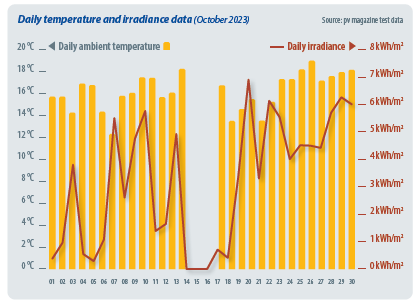
October 2023 batch of energy yield results from the pv magazine outdoor test field in Xi’an, China. The average bifacial boost is 10.20%. As the energy yield figures of several top-performing products are very close, CEA is working on a new ranking system that will be more representative of product performance.