pv magazine USA Week - Navigating the U.S. supply chain
In this pv magazine USA Week session, Joseph Johnson, Associate Director of Market Intelligence, shares his insights on the challenges facing the U.S. solar supply chain, the drive toward domestic manufacturing, and strategies for navigating trade restrictions and compliance.
A steady supply of solar modules, inverters, trackers, and energy storage systems is needed to advance the energy transition in the United States, but the web of supply challenges and manufacturing capabilities grows increasingly complex.
Solar module manufacturing in the United States is booming, with as much as 65 GW of module assembly and 13 GW of solar cell manufacturing expected to be online by the end of 2025. However, this is not enough to meet forecast demand for the industry, and many factories have been cancelled due to challenges created by shifting domestic industrial policy.
For imports, suppliers navigate numerous challenges, including foreign entity of concern (FEOC) restrictions on tax credit eligibility, widespread tariffs, antidumping and countervailing duty rules and tariffs, UFLPA restrictions, and more.
In this pv magazine USA Week session, we explore the challenges of the U.S. solar supply chain, the push toward U.S. manufacturing, and the navigation of trade restrictions and compliance.
pv magazine webinar content:
Examine the growth of the U.S. domestic solar supply chain
Review new trade restrictions, including FEOC, UFLPA, tariffs, AD/CVD and more
Understand how manufacturers from the U.S. and importers are creating high-quality products for the projects of today

Huatian Xu explains how Intertek CEA will continue testing and monitoring PV modules independently through its own R&D program following the conclusion of the pv magazine test program earlier this year.
In this webinar, Intertek CEA's Joseph C. Johnson and Christian Roselund break down the market impacts of Section 232.
The quarterly Energy Storage STPR delivers global and regional supply chain analysis, technology trends, and policy insights, and this quarter focuses on cell product roadmaps toward larger form-factor cells and the emerging role of alternative technologies for UPS applications in the expanding data center market.
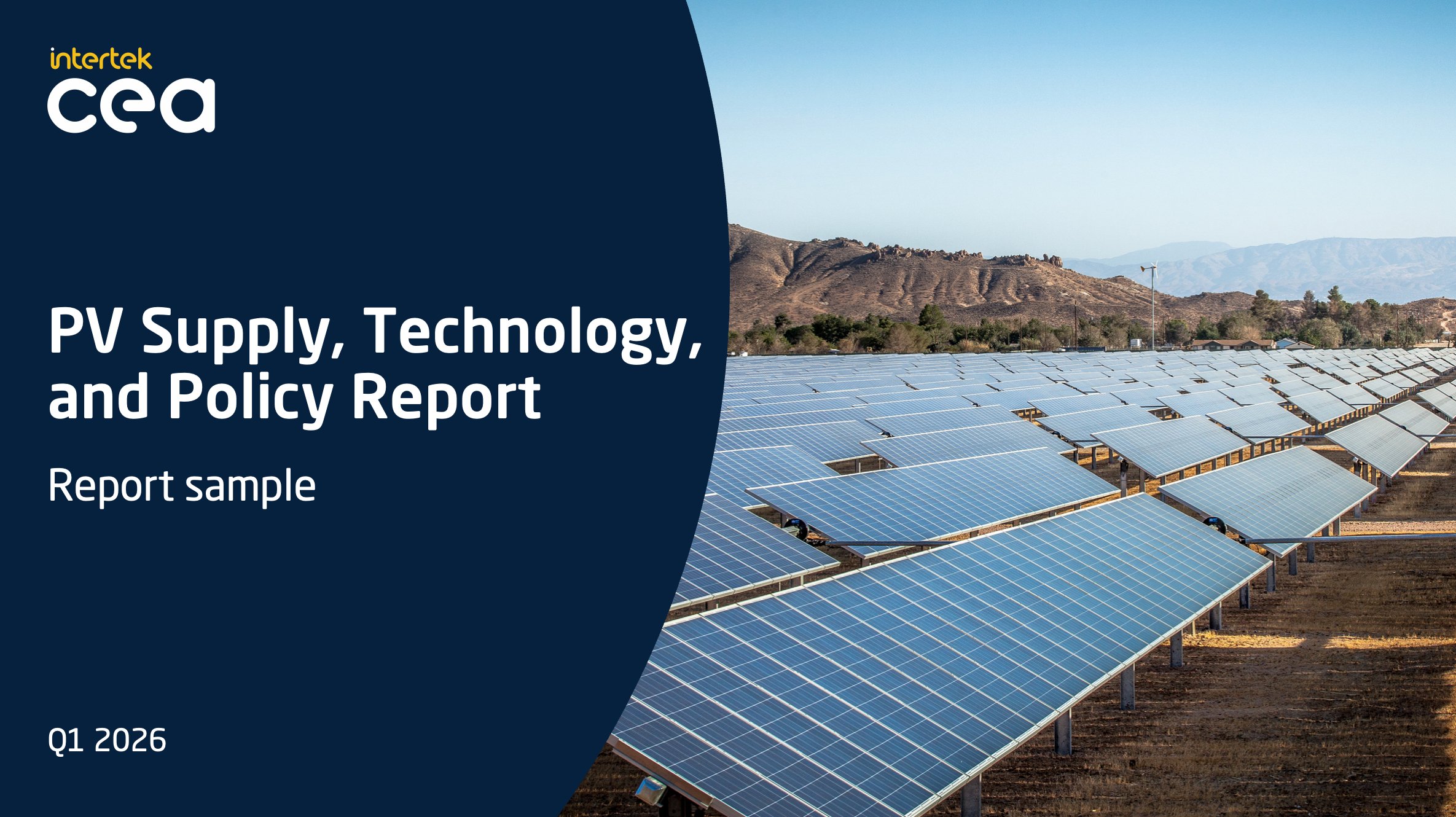
The quarterly published PV STPR covers global and regional supply chain analysis, technology trends, and regional policy analysis.
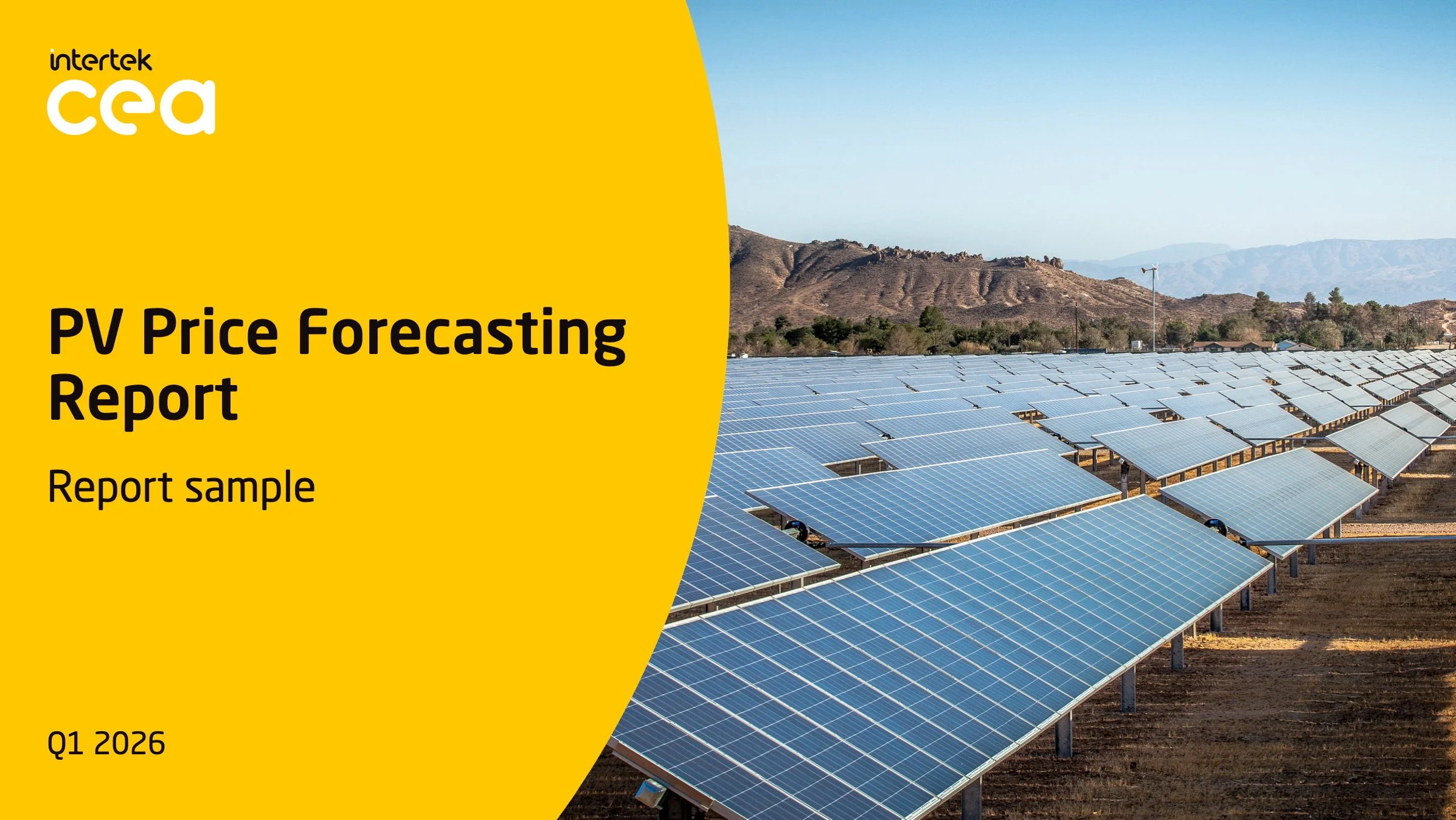
The PV Price Forecasting Report provides independent market intelligence on changes in global supply chains and accurate forecasts for supply price scenarios based on technologies, materials, manufacturing regions and target markets, as well as supply and demand forecasts and analysis.
The latest Energy Storage System (ESS) Supplier Market Intelligence Report includes concise and standardized analyses of major LIB cell suppliers and BESS integrators, focusing on global production capacities, product portfolios, and notable projects.
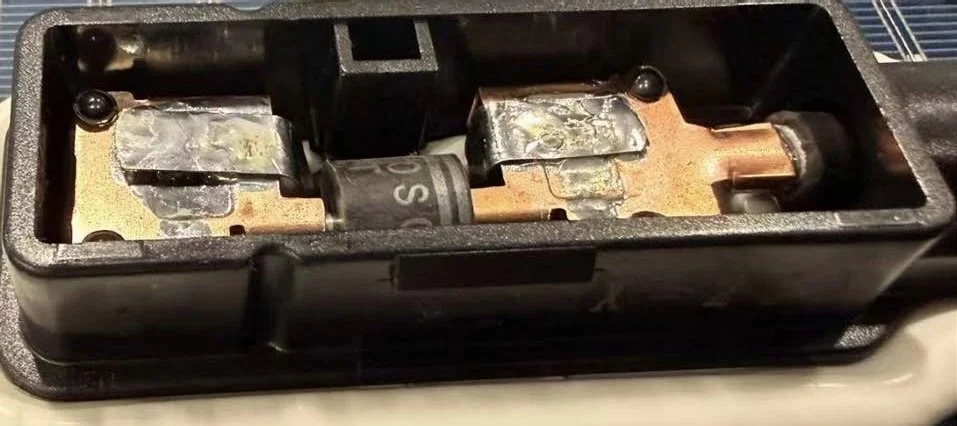
pv magazine: Claire Kearns-McCoy and Michael Scott of Intertek CEA report a rise in junction box failures across utility-scale and rooftop solar sites and explain why the only reliable window to catch these problems closes as soon as the potting compound cures.
PV Tech: FEOC compliance can break down after contracts are signed as supplier ownership, IP licensing, or component changes affect tax-credit eligibility. Intertek CEA’s Jordan Wilson recommends ongoing monitoring, audits, bill-of-material controls, and contractual protections to manage risk through project completion.
pv magazine: PV projects increasingly face financing and execution risk from documentation gaps. Intertek CEA COO Jeffrey Burkett sees technically sound, commercially viable projects struggle to close financing because critical proof was not built up along the way.
The ESS Price Forecasting Report provides an in-depth five-year forecast for the price of a DC battery container, including battery cells, modules, racking, and additional balance of system needed for a containerized battery system.
Junction box failures are rising across utility-scale solar. Intertek CEA experts reveal common defects, inspection gaps, and how to prevent safety, production, and warranty risks.
The PV SMIP provides a comprehensive and unbiased analysis of the top PV module manufacturers in the world. It offers detailed insights into capacities, technology, and efficiency roadmaps, along with Manufacturing, Capacity, and Technology (MCT) ratings for each supplier.
On July 28, 2026, the US Federal Communications Commission (FCC) restricted new foreign-made connected inverters unless they receive Conditional Approval. Unclear implementation could disrupt US solar and energy storage supply.
Energy Storage News: Rising demand for energy storage in the US does not yet have a domestic supply chain to meet it.
In this Energy Storage News webinar, Intertek CEA experts Paul Wormser and Dan Finn-Foley examine how FEOC requirements are reshaping ESS procurement in the United States.
The ESS Price Forecasting Report provides an in-depth five-year forecast for the price of a DC battery container, including battery cells, modules, racking, and additional balance of system needed for a containerized battery system.
The quarterly Energy Storage STPR delivers global and regional supply chain analysis, technology trends, and policy insights, and this quarter focuses on cell product roadmaps toward larger form-factor cells and the emerging role of alternative technologies for UPS applications in the expanding data center market.
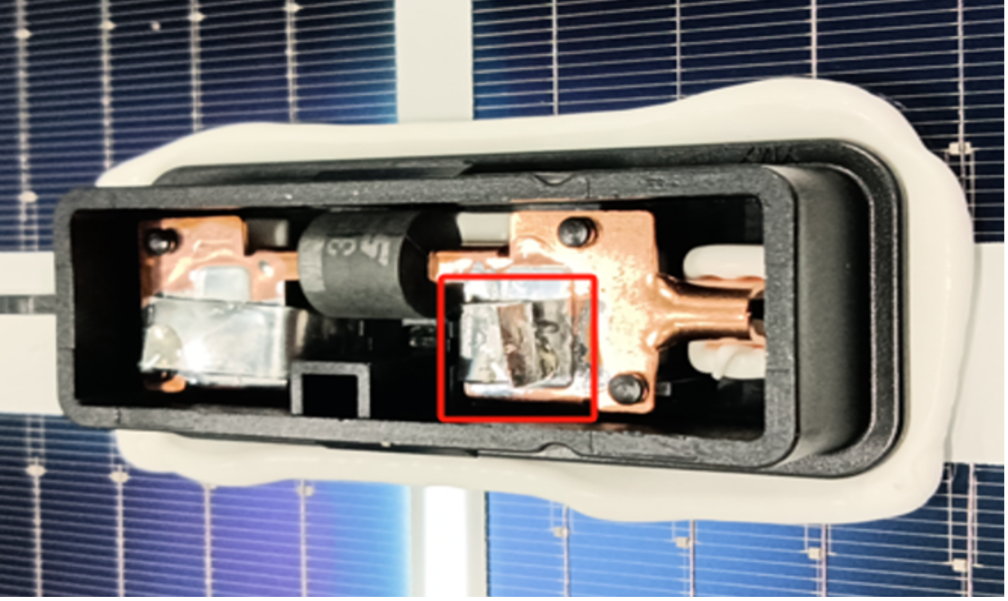
In this article, Joerg Althaus of Intertek CEA explains why lost bypass diodes in PV modules are a hidden fire risk: they can pass standard factory and field inspections, yet create severe overheating when shading occurs.
Energy Storage News: To avoid pitfalls that can begin on the factory floor and extend well into operational lifetime, developers must sign well-structured guarantees and contracts to protect their BESS investments, writes Intertek CEA Senior Energy Storage Engineer Yilin Huang.
Energy Storage News: BESS performance guarantees are essential and ubiquitous, yet can be challenging to navigate, writes Intertek CEA Senior Energy Storage Engineer Yilin Huang.
The quarterly published PV STPR covers global and regional supply chain analysis, technology trends, and regional policy analysis.
The PV Price Forecasting Report provides independent market intelligence on changes in global supply chains and accurate forecasts for supply price scenarios based on technologies, materials, manufacturing regions and target markets, as well as supply and demand forecasts and analysis.
The latest Energy Storage System (ESS) Supplier Market Intelligence Report includes concise and standardized analyses of major LIB cell suppliers and BESS integrators, focusing on global production capacities, product portfolios, and notable projects.
The PV SMIP provides a comprehensive and unbiased analysis of the top PV module manufacturers in the world. It offers detailed insights into capacities, technology, and efficiency roadmaps, along with Manufacturing, Capacity, and Technology (MCT) ratings for each supplier.
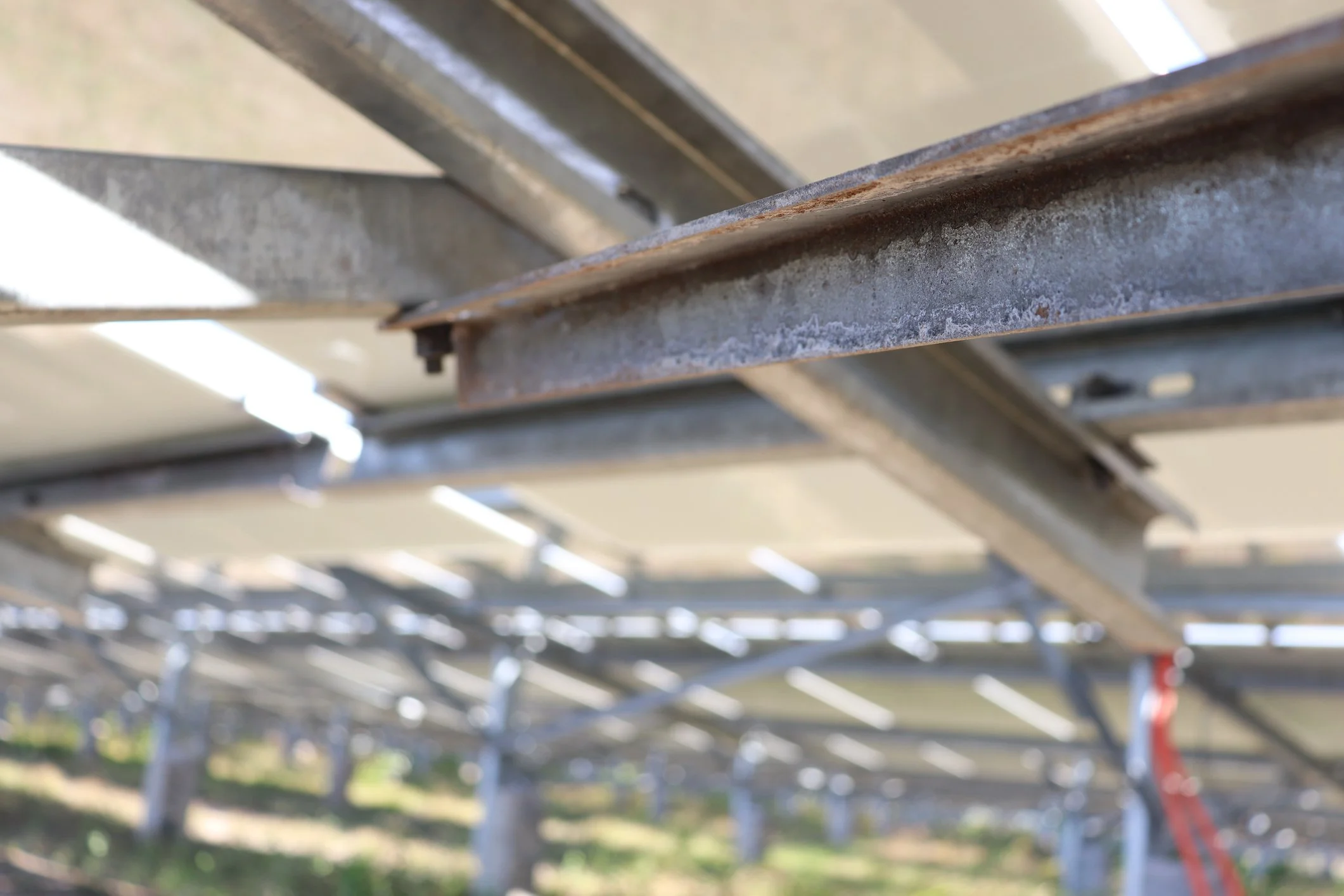
pv magazine: Over a 30-year asset life, corrosion can escalate into a structural, electrical, and fire safety risk that raises O&M costs, weakens resilience to extreme events, and can ultimately lead to premature decommissioning or full structural replacement, as advised by Intertek CEA’s Nicholas Hudson and Ankil Sanghvi.
In this Canary Media webinar, Intertek CEA Senior Policy Analyst Christian Roselund joins a panel of industry experts to break down how FEOC restrictions are being applied in practice, and what developers, investors, and manufacturers should be doing now.
The PV & ESS Inverter Report is an independent market intelligence report covering global inverter supply, pricing, technology, and policy dynamics across the solar and energy storage sectors.
PV Tech: Paul Wormser, Senior Vice President of Technology at Intertek CEA, outlines how ITC eligibility now hinges on traceability, documentation and verification. As rules tighten under H.R. 1, procurement must address counterparty risk, not just module performance, to secure tax equity confidence.
Over the past nine years, Intertek CEA has conducted more than 80,000 quality inspections in over 340 PV module factories. This report summarizes our 2025 data, which reveals rising soldering defect rates and emerging reliability risks as the industry shifts toward n-type products.
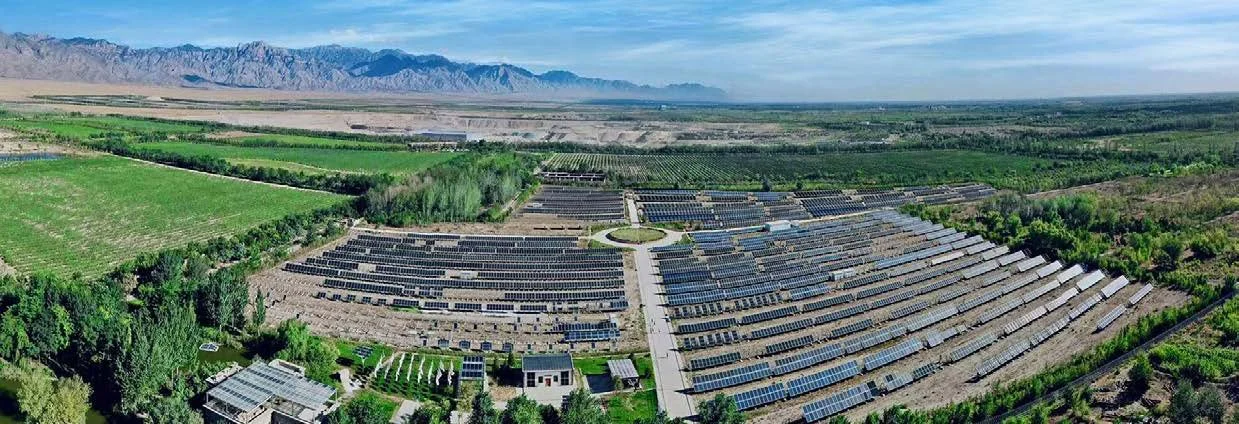
George Touloupas and Huatian Xu of Intertek CEA analyze the January 2026 results from the pv magazine test outdoor installations in Yinchuan, China, and Dammam, Saudi Arabia.