Services > Field Testing > Glass Breakage Inspection
Glass Breakage Inspection
Have a Question or Need Assistance?
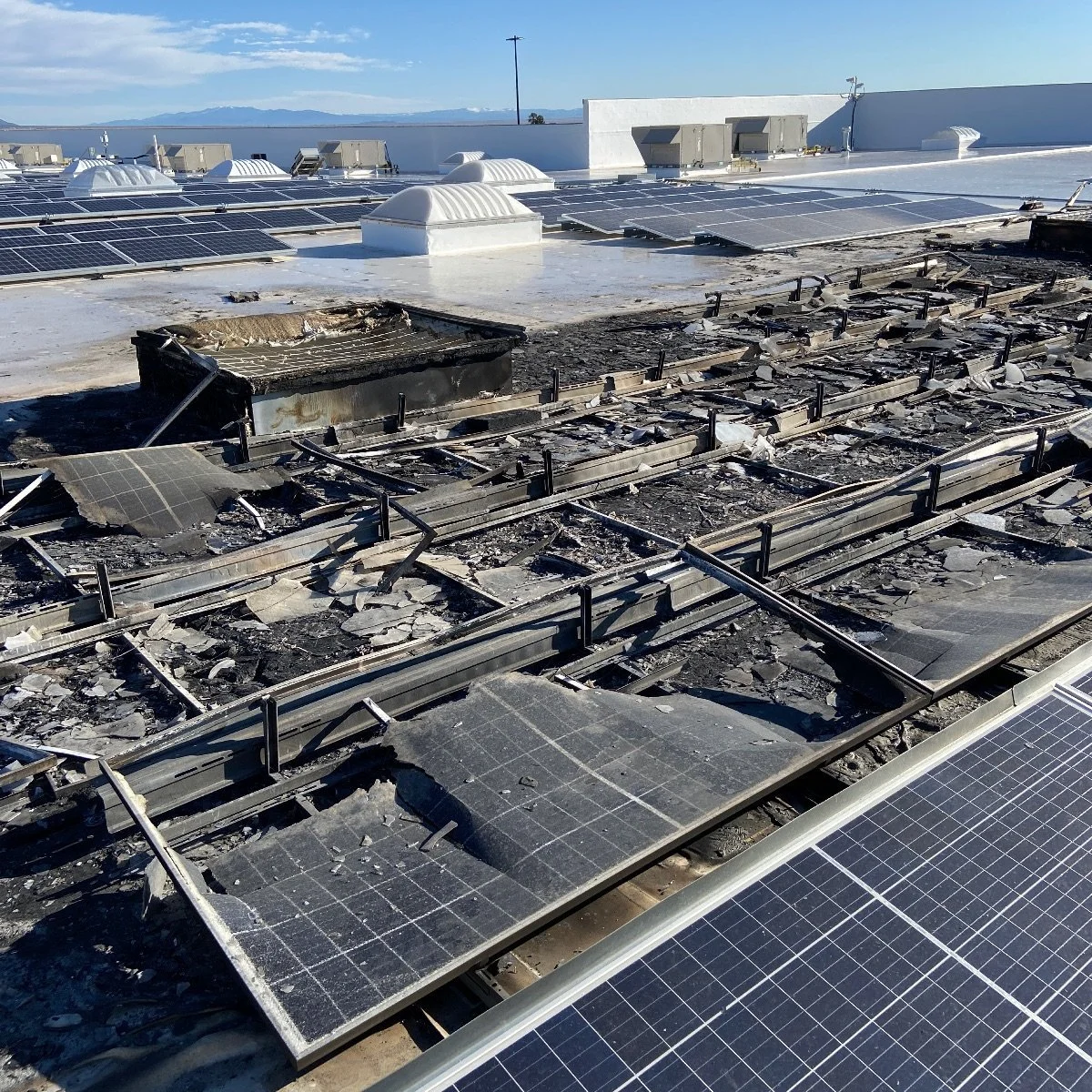
When failures occur such as glass breakage, component corrosion, or widespread hot spots, Root Cause Analysis (RCA) identifies why. We combine onsite inspection, structural evaluation, and laboratory testing to isolate the true source of the problem.
Why this matters: You can assign responsibility, support warranty or insurance claims, and prevent repeat failures.
Glass breakage: An increasing concern for PV assets
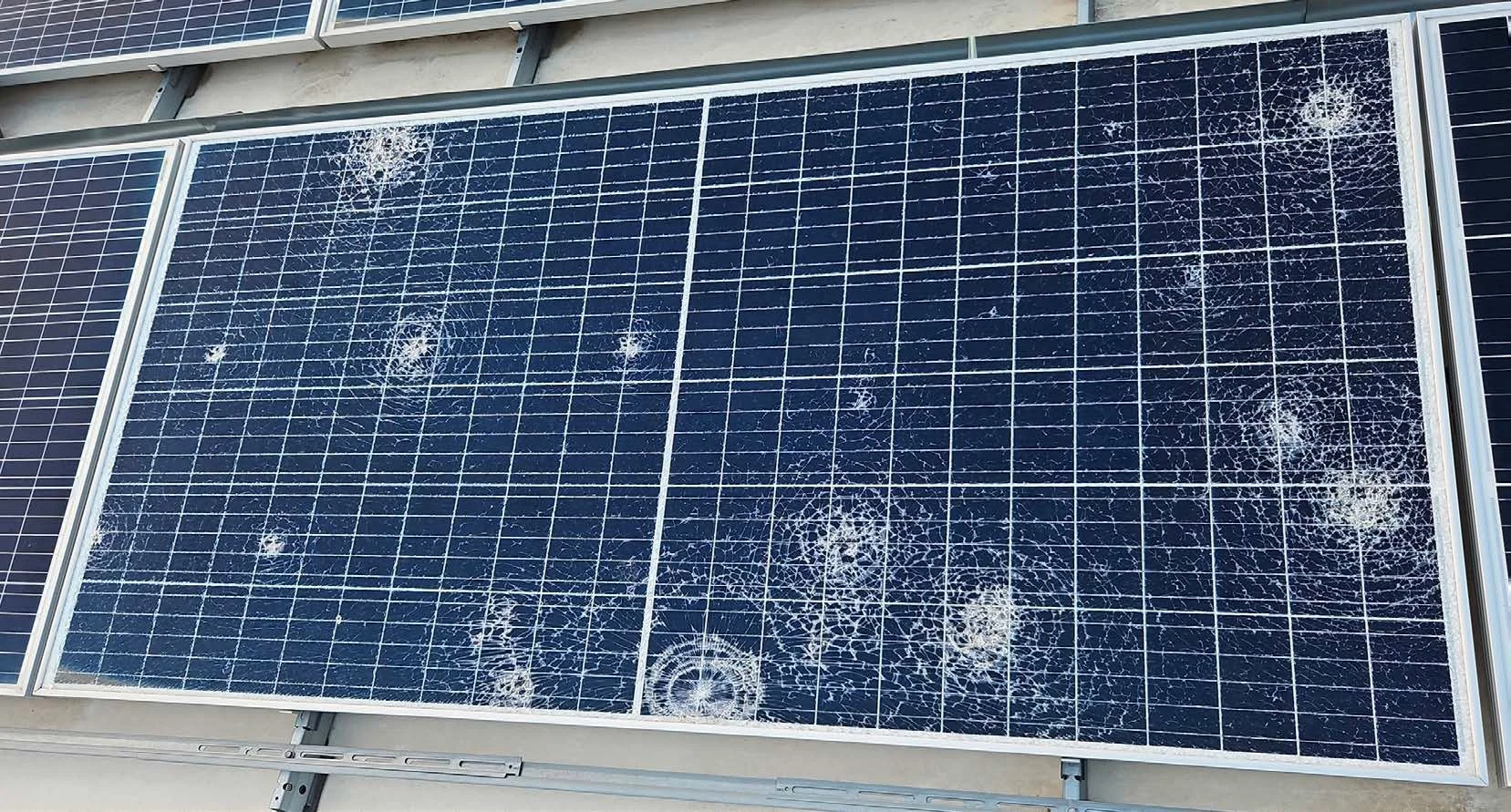
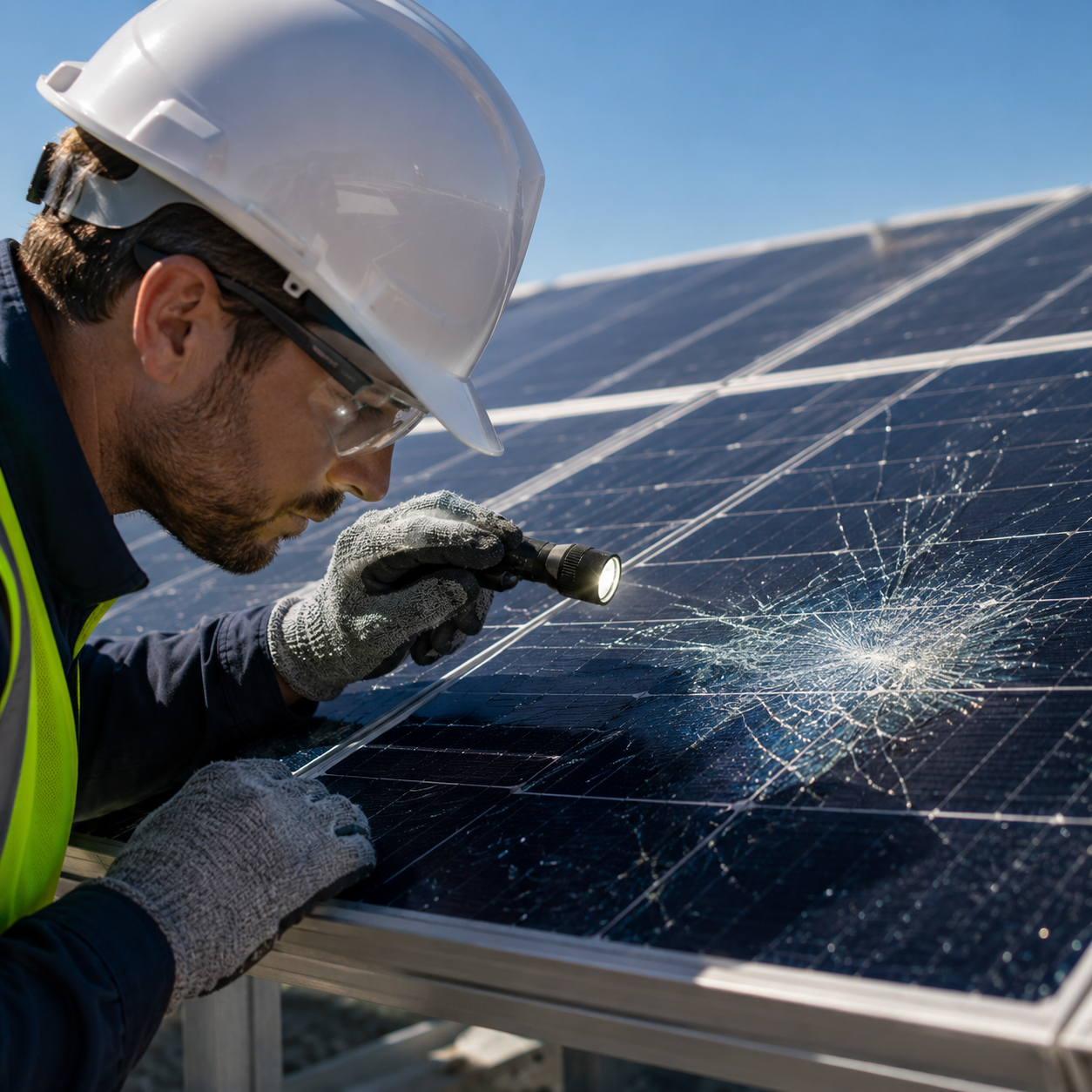
Solar modules are getting bigger, thinner, and more powerful. But around the world, the same problem is appearing: cracked glass.
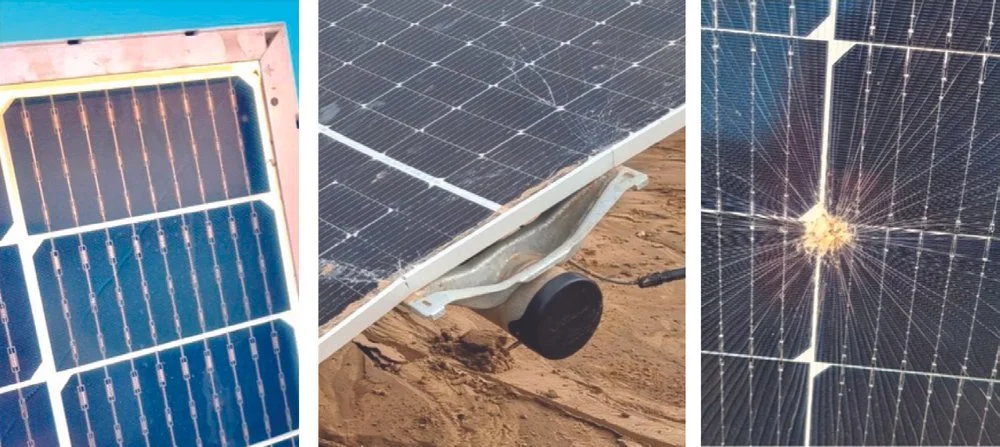
In some cases, early warning signs appear as shelling, edge chips, or small conchoidal fractures on the module glass. These small, semi-circular flakes or surface craters may look minor at first, but they can indicate localized stress or damage at the glass edge. On modern modules with thinner glass, including 2.0 mm glass designs, this type of low-energy damage can reduce the glass safety margin and develop into larger cracks over time.
Potential reasons for modern module glass cracking:
Poor mounting conditions
Installation practices
Maintenance practices
Product weaknesses
Edge shelling or chipping caused by handling, cutting, framing, or localized stress
Thermal cycling that allows small cracks to grow as modules expand and contract
Glass breakage has multiple root causes
PV module glass is designed to protect against environmental stress. However, real-world conditions often reveal vulnerabilities. Breakage is rarely caused by a single factor — instead, it's typically a combination of external stress and product-inherent weaknesses that interact with specific site conditions.
Small glass defects, such as shelling or edge chips, can act as initiation points. Once the glass surface or edge is compromised, the module may continue to operate for a period of time, but the risk profile changes. Cracks can allow moisture ingress, contribute to insulation issues, and increase the chance of electrical faults or ground faults.
-
Drill hole damage
Poor edge grinding
Improper framing
Glass impurities
Inadequate heat Strengthening
Shelling or edge chips caused by glass handling, cutting, or framing defects
-
Hail impact
Storm damage
Extreme temperature gradients
Thermal cycling that can turn minor edge damage into larger cracks
-
Over-tightened clamps
Deviations from installation manuals
Incompatible racking systems
Clamp or frame stress concentrated near already damaged glass edges
-
Damage from tools
Vehicles
Personnel activity on site
Low-energy impacts that may not shatter the glass immediately but can weaken the module over time
Why cracked glass should not be treated as cosmetic damage
A cracked or shelled module may still produce power, but that does not mean the module is safe or reliable. Once the glass is damaged, the module’s protective barrier is compromised.
Potential consequences include:
Reduced long-term performance
Moisture ingress
Insulation failure
Ground faults
Electrical safety risks
Higher burden of proof in warranty, insurance, or supplier discussions
Repeat breakage if the underlying cause is not corrected
In most cases, damaged module glass should not be patched as a long-term fix. Replacement is typically the safer and more reliable option, especially when the glass seal, insulation margin, or mechanical strength has been compromised. RCA helps determine whether the issue is isolated, systemic, installation-related, product-related, or caused by external damage.
Targeted approach for root cause analysis:
-
Previous inspection reports
Issue description
Issue mapping
Historical SCADA/weather data
Maintenance protocols
Installation manual
Static calculations
Warranty, insurance, and supplier documentation, where relevant
-
Mounting system assessment
Cracked module inspection
Destructive testing on site
Sample selection for laboratory testing
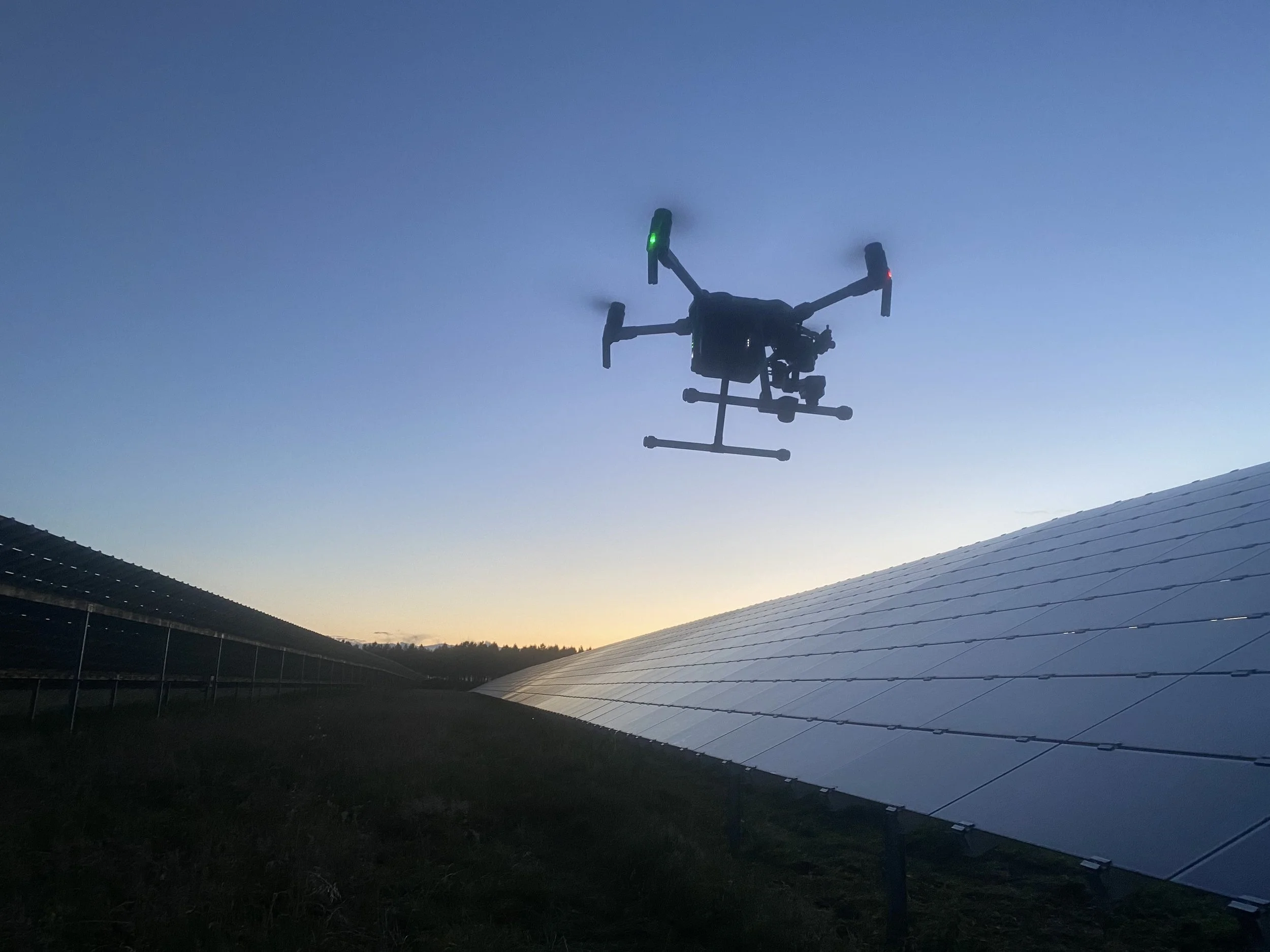
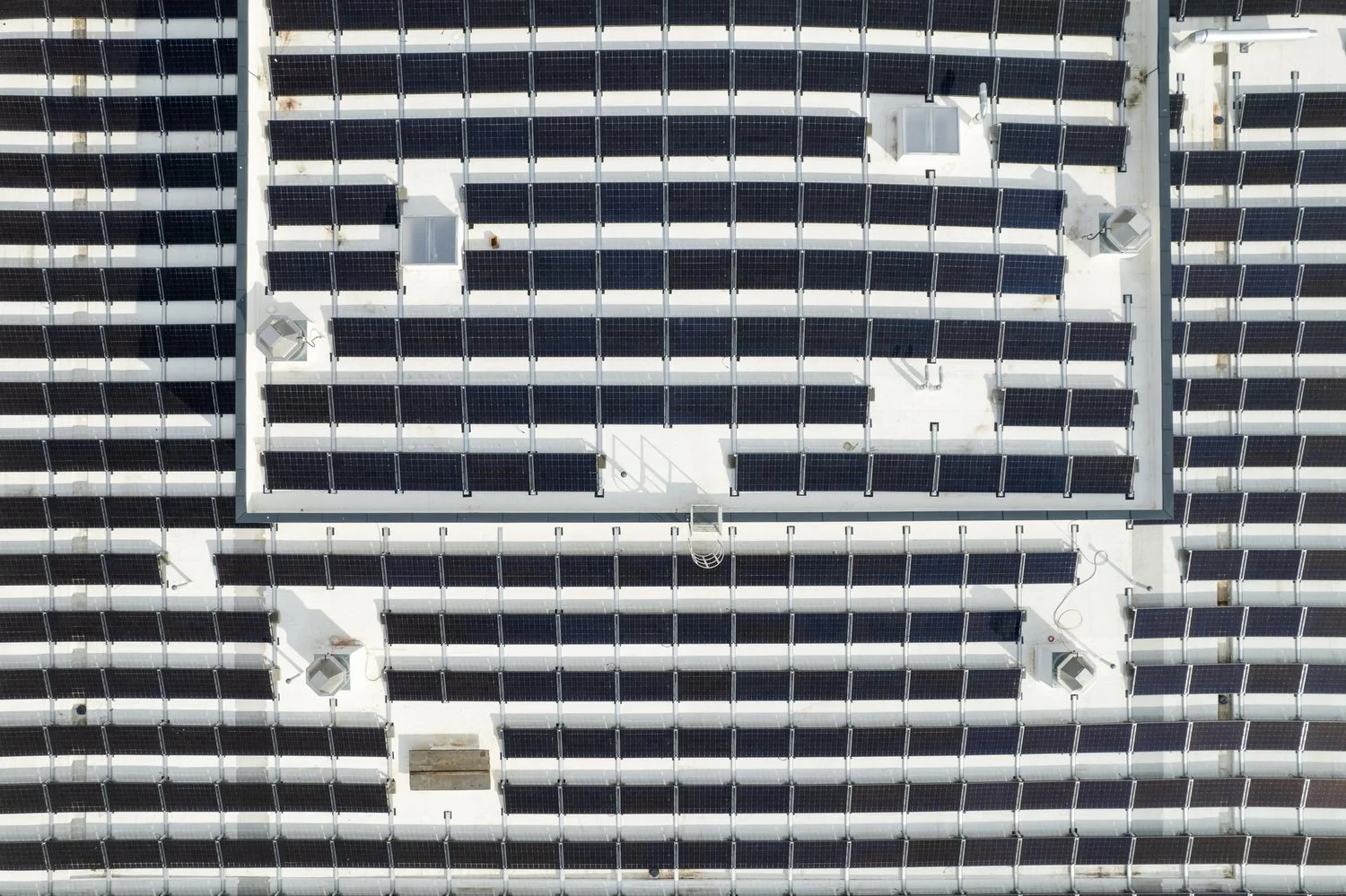
Optional: drone inspection for crack mapping
Visual review of shelling, edge chips, clamp-adjacent cracks, and low-energy fracture patterns
-
Mechanical load testing in site-realistic configuration
Glass tension assessment
Crack analytics
Chemical testing of voids/enclosures
Assessment of whether edge defects, shelling, or localized stress may have contributed to crack initiation
-
Data compilation
Root cause determination (where possible)
Operational recommendations
Guidance on whether affected modules should be replaced, monitored, or included in a broader remediation plan

Latest Field Inspection Insights