Services > Field Inspection > Hotspot & Electrical Risk Investigation
Hotspot & Electrical Risk Investigation
Have a Question or Need Assistance?

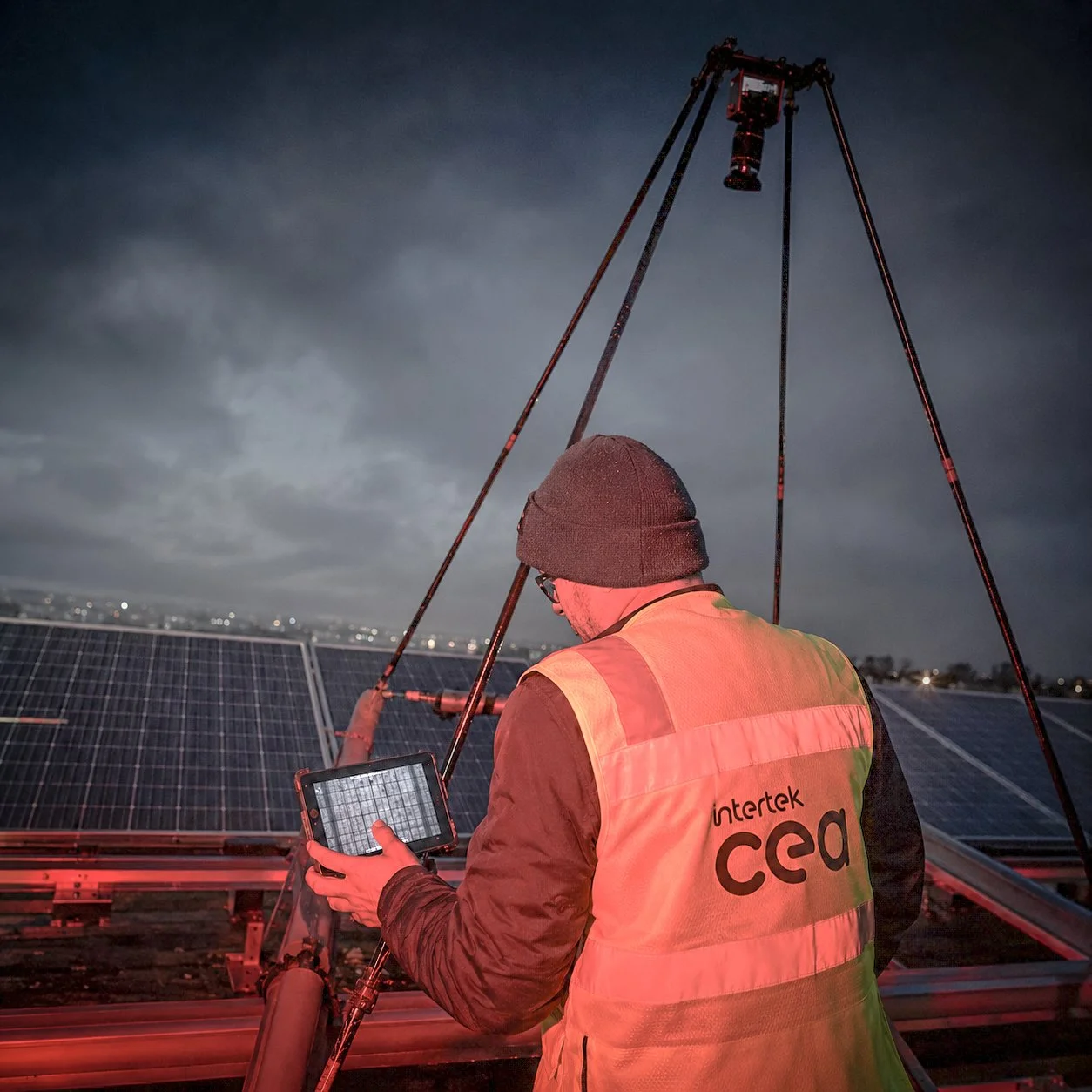
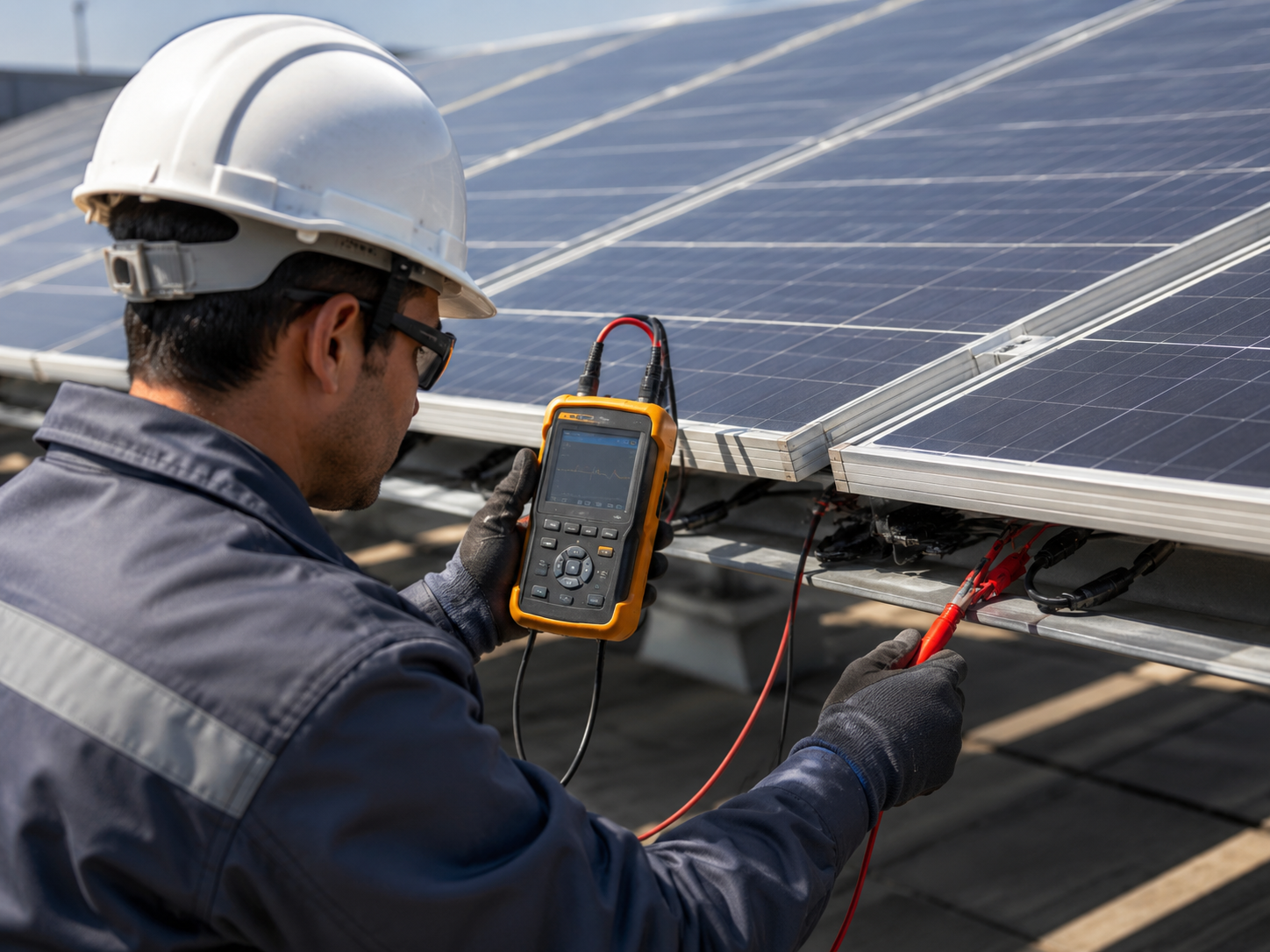

Investigate hotspots and hidden electrical risks before they become bigger failures
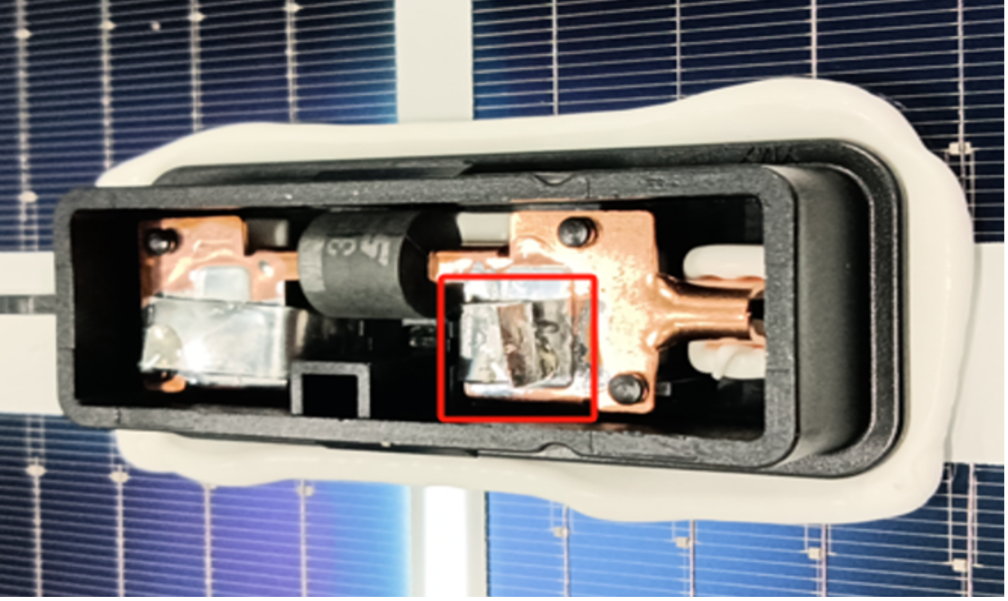
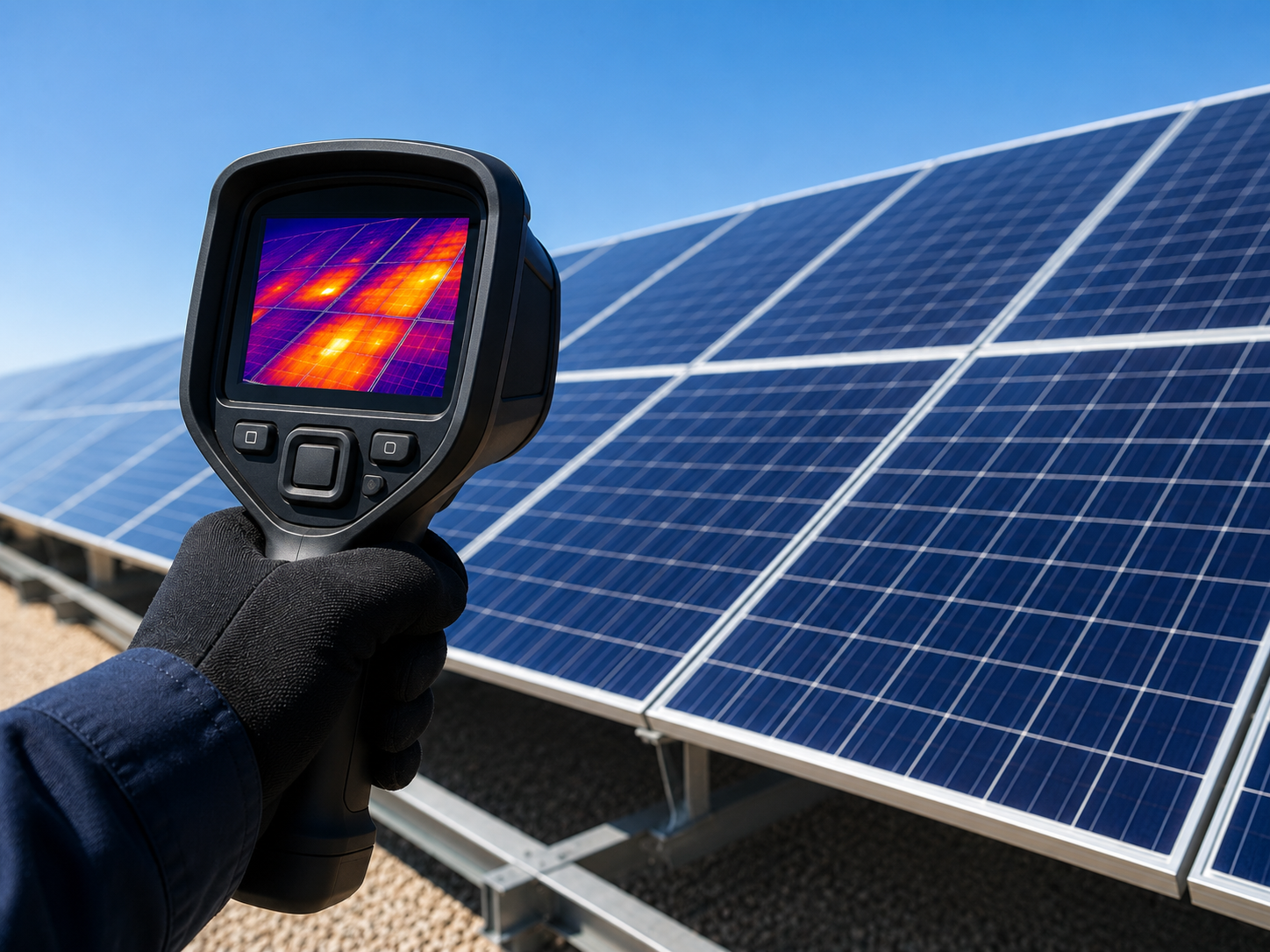
Hotspots can point to several different problems. Some are caused by shading, soiling, module defects, failed substrings, bypass diode issues, connector problems, wiring concerns, or other electrical faults.
Some issues appear during routine thermal inspection. Others only show up under specific operating, shading, or test conditions. A hotspot or electrical risk investigation helps you understand what is causing abnormal heating or electrical behavior, where the affected modules or strings are located, and what action should be considered next.
Intertek CEA uses targeted field testing to help owners and operators move from “we see hotspots” or “we suspect an electrical issue” to a clearer view of the underlying problem.
When this inspection helps
Thermal scans show hotspots or recurring thermal anomalies.
Modules or strings show abnormal operating behavior.
Lost bypass diodes are suspected.
Standard inspection has not explained the issue.
Modules look normal, but electrical risk is still suspected.
Connector, wiring, combiner box, or insulation issues may be involved.
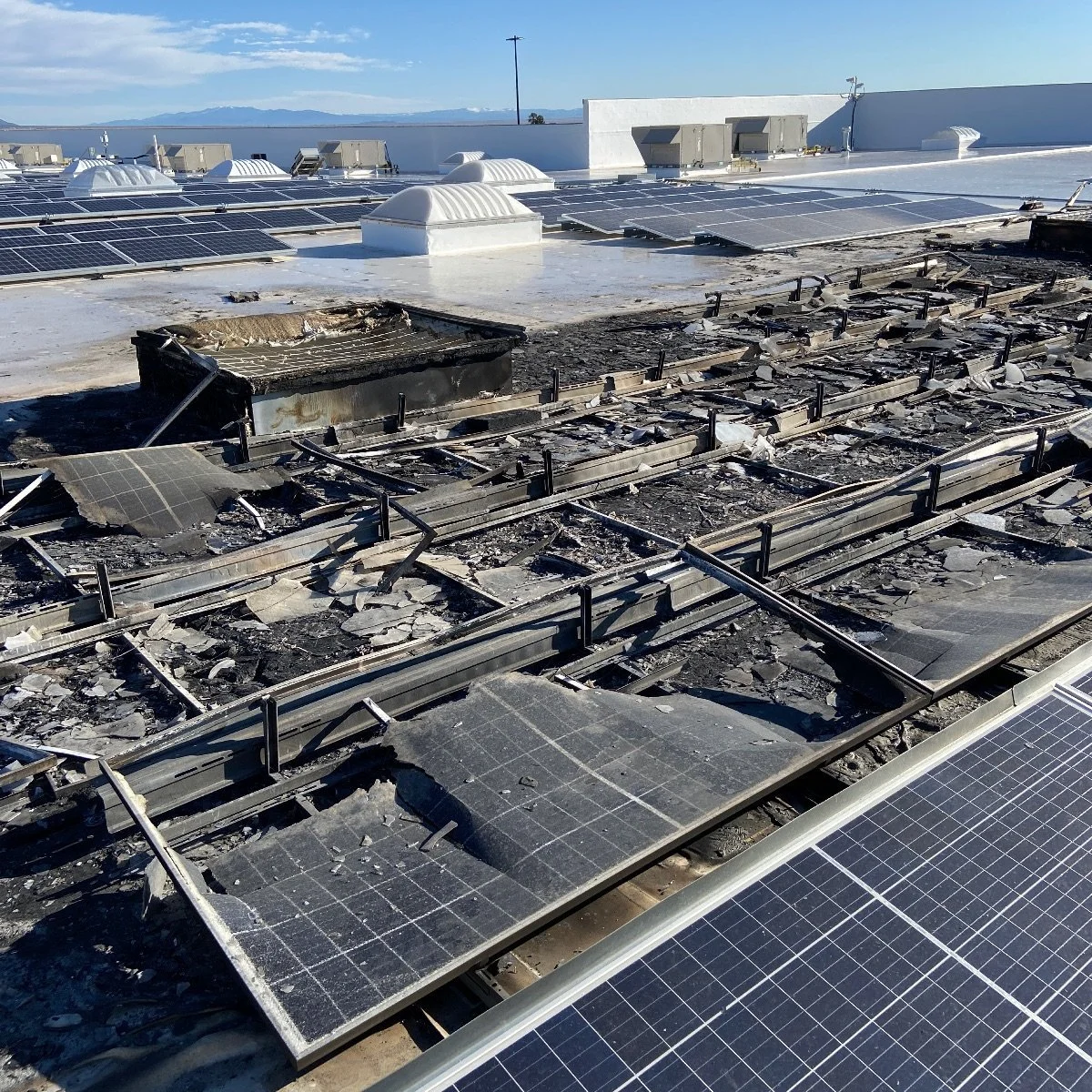
A thermal event occurred and the affected area needs follow-up investigation.
You need to identify which strings, modules, or BOS components should be prioritized for further review.
How we decide the right scope
The final inspection plan depends on the hotspot pattern, the suspected electrical defect, and the level of evidence needed.
1. What has already been observed?
If previous thermography shows hotspots, the inspection can focus on confirming the affected areas and checking whether the issue is isolated or repeated. If the concern is only suspected, the first step may be broader screening.
2. Is the issue visible under normal operating conditions?
Some defects appear during standard thermography. Others, such as lost bypass diode issues, may only show under specific shading or energized test conditions. The test setup needs to match the suspected fault.
3. Is the concern at module, string, or BOS level?
Hotspot and electrical risk investigations often need to narrow the problem step by step. The issue may sit in the module, substring, string, connector, combiner box, wiring, insulation, or other field hardware.
4. What defect type is suspected?
Lost bypass diodes, damaged cells, connector issues, wiring concerns, BOS faults, soiling, shading, and visible thermal damage require different evidence. The method should follow the suspected defect.
5. What decision needs to be made?
The scope should support the next decision: continued operation, targeted replacement, wider inspection, repair planning, warranty discussion, insurance documentation, or deeper root-cause analysis.
What we may test
The right investigation method depends on the hotspot pattern, the suspected electrical defect, and whether the issue appears during normal operation or only under specific test conditions. Intertek CEA may combine IR thermography, visual inspection, EL testing, LBPD testing, and BOS / electrical field testing.
| Method | What it helps identify | When it is useful |
|---|---|---|
| Infrared (IR) thermography | Hotspots, thermal anomalies, affected modules or strings, and abnormal operating behavior under suitable field conditions. | Useful as a first screening step when hotspots or thermal patterns need to be located across the site. |
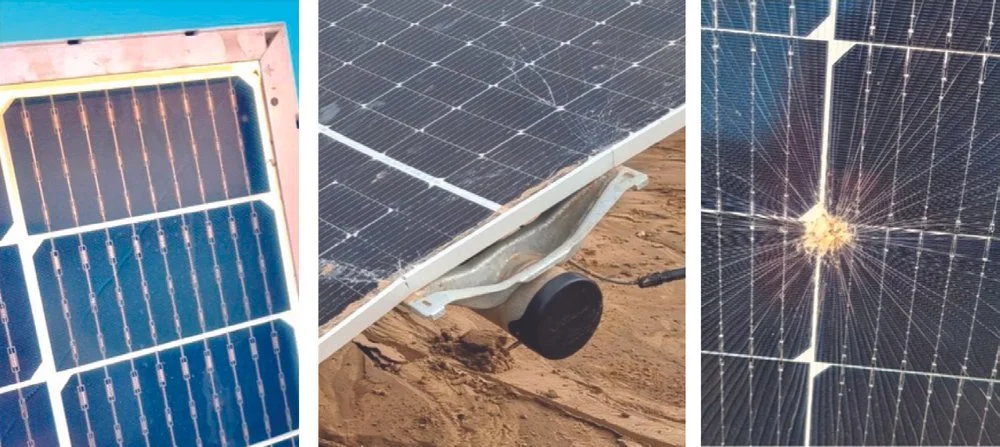
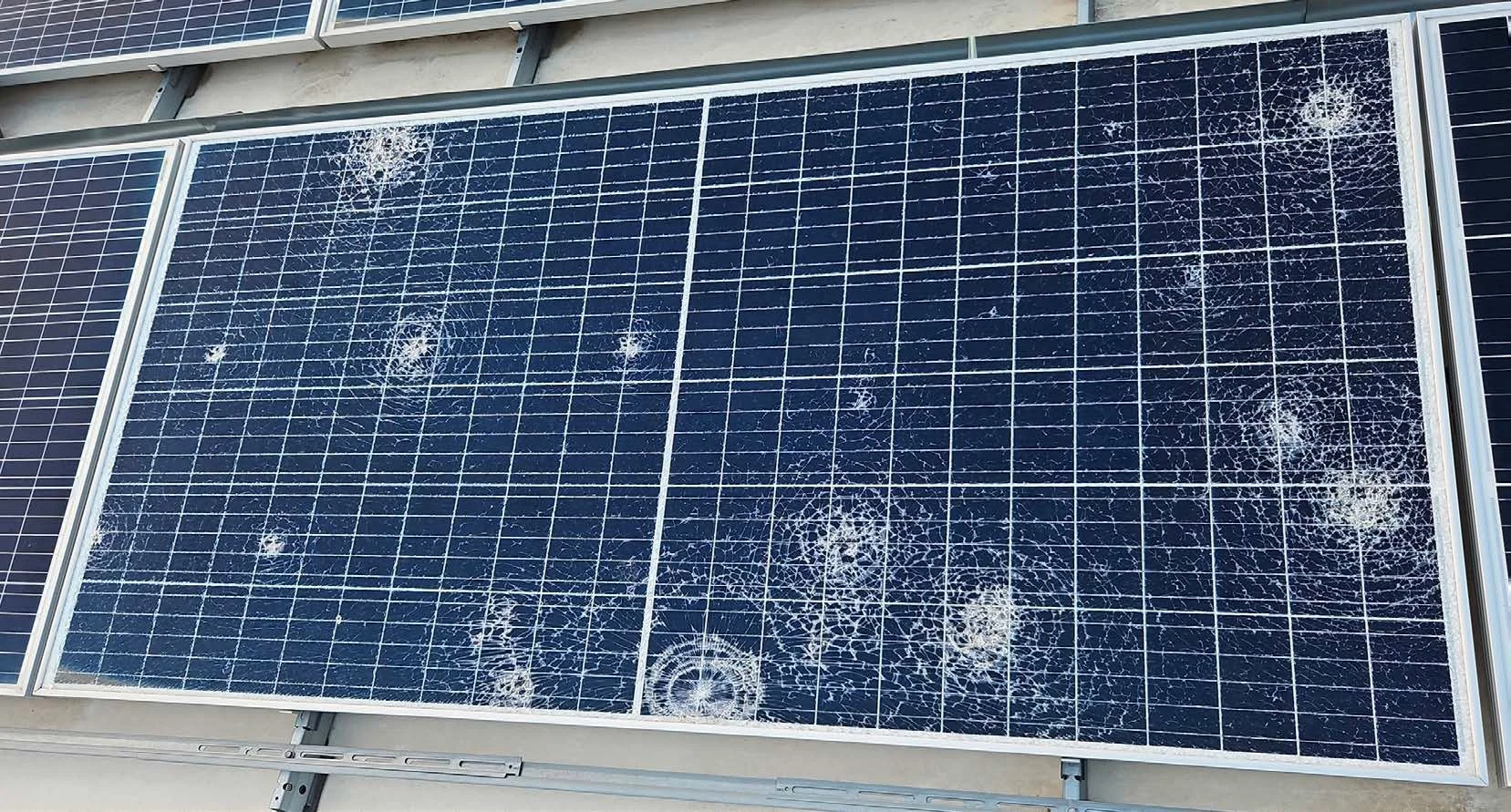
| Visual inspection | Visible damage, burn marks, broken glass, connector issues, wiring concerns, soiling, shading, and site-level evidence. | Useful when thermal findings need to be checked against visible site conditions or physical damage. |
| Electroluminescence (EL) testing | Cell-level defects, inactive areas, damaged cells, interconnect issues, and internal module damage that may not be visible from the outside. | Useful when hotspot or electrical behavior may be linked to hidden module damage or cell-level defects. |
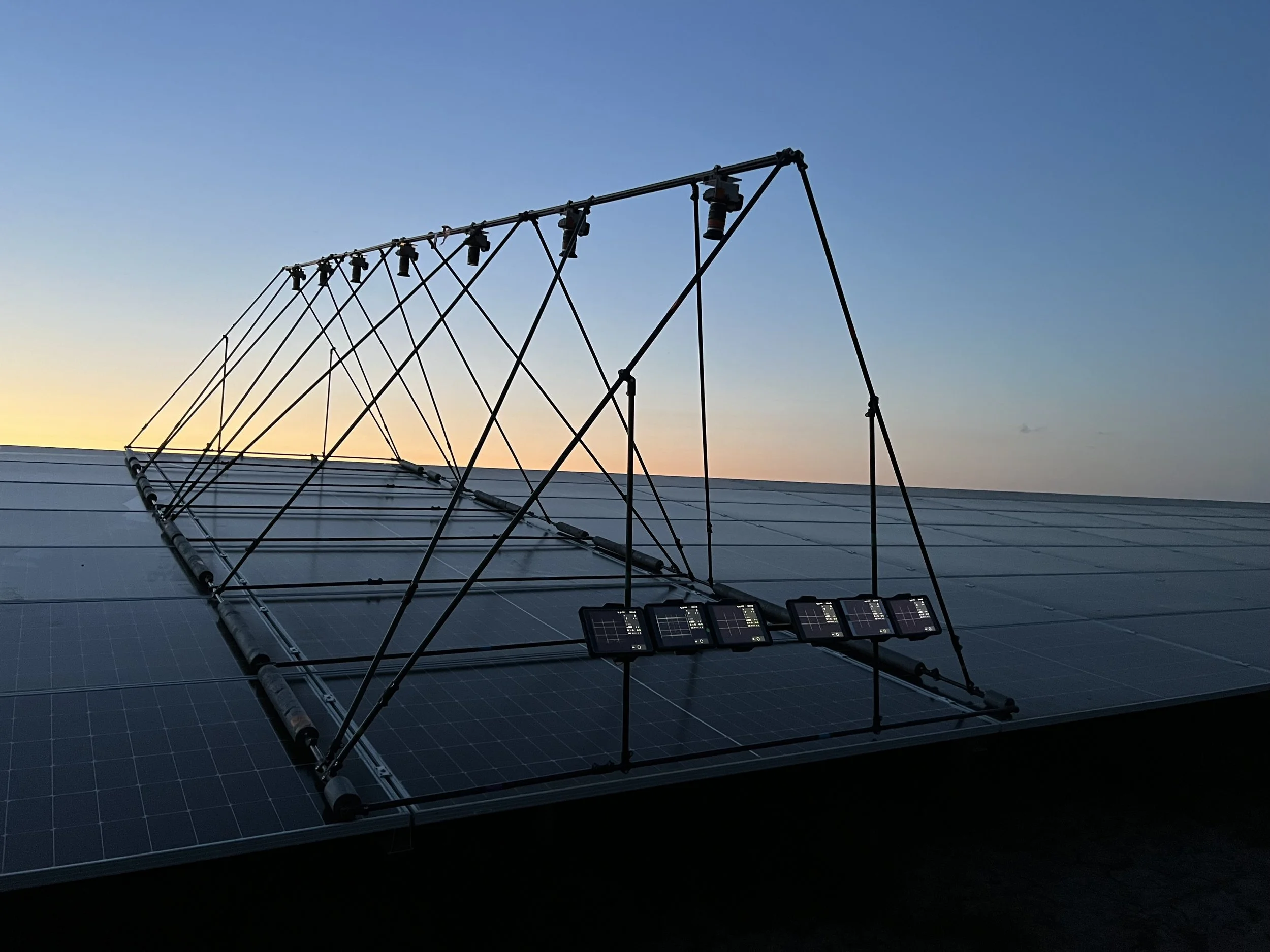
| Lost Bypass Diode (LBPD) testing | Lost or defective bypass diode behavior that can remain hidden during routine inspection and may create hotspot risk under shading. | Useful when hidden diode defects are suspected or when standard thermography does not fully explain the risk. |
| BOS / electrical field testing | Wiring, connector, combiner box, insulation, string-level, or other balance-of-system electrical concerns. | Useful when the issue may sit outside the module, or when abnormal string behavior or electrical safety risk needs to be checked. |
The exact scope depends on the suspected defect, operating conditions, shading conditions, system layout, and whether the results need to support replacement planning, warranty discussions, insurance documentation, or root-cause analysis.