Services > Advanced Field Testing > Incoming Goods & Site Acceptance Inspection
Incoming Goods & Site Acceptance Inspection
Have a Question or Need Assistance?
-

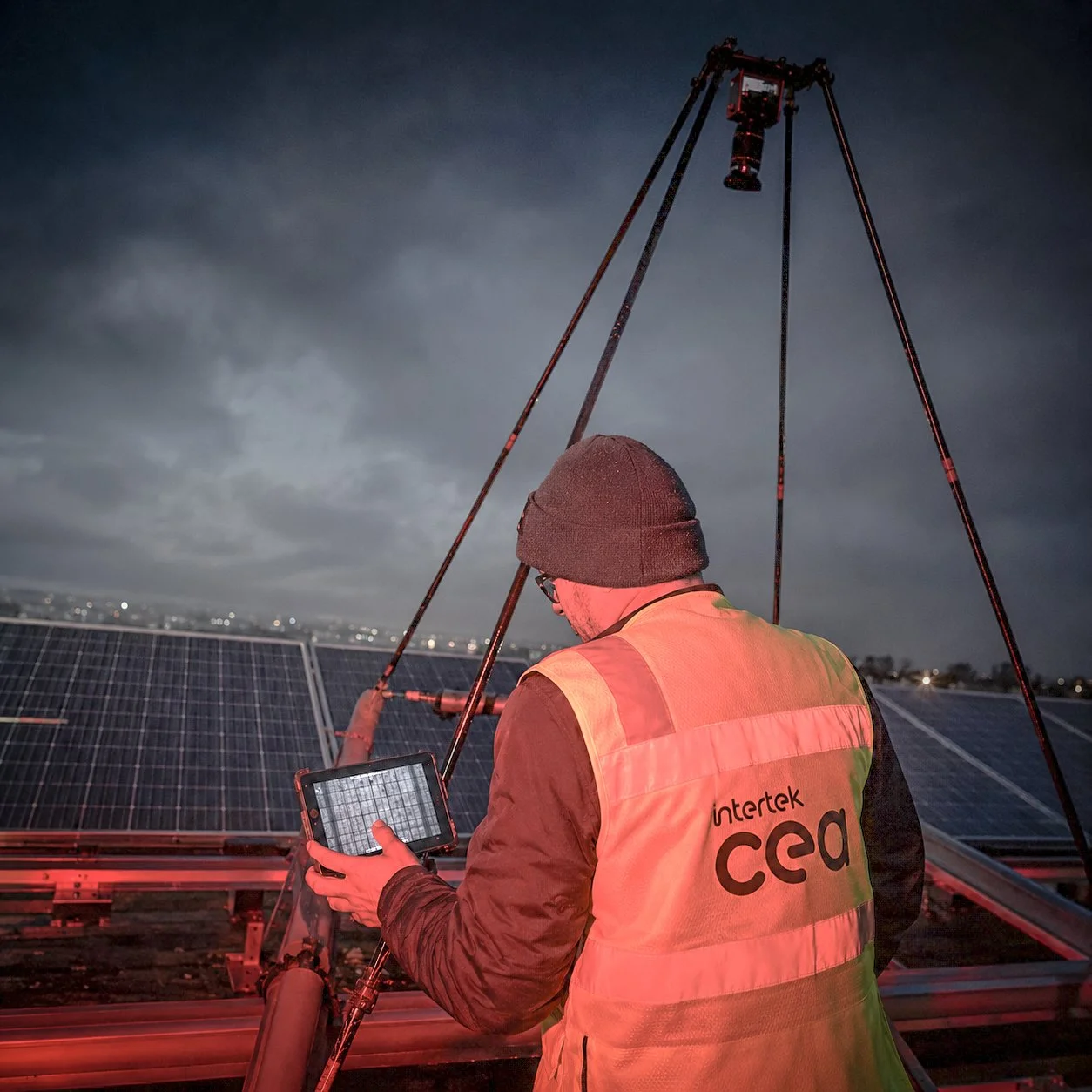
Electroluminescence (EL) Testing
-

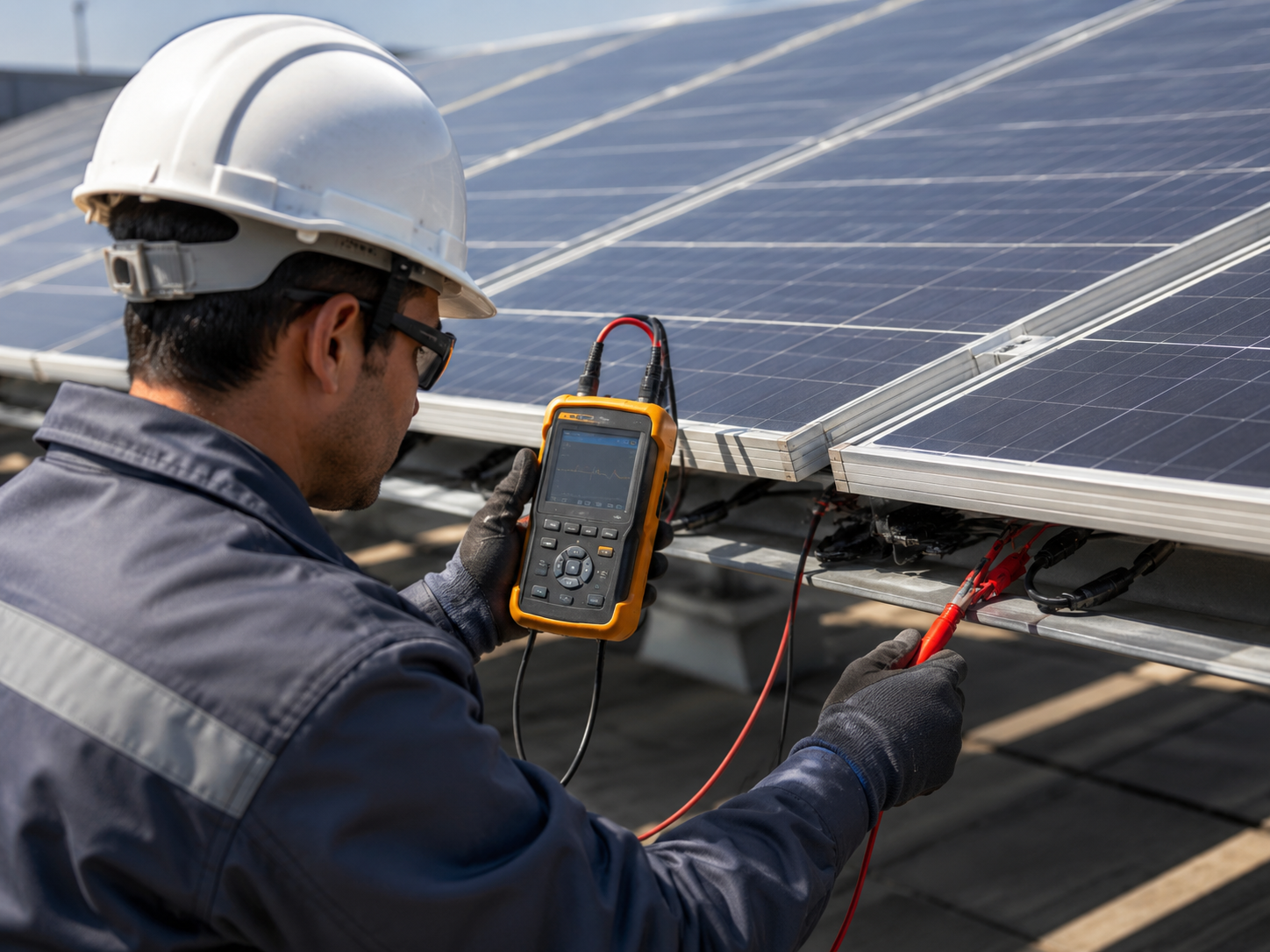
IV Curve Tracing
-

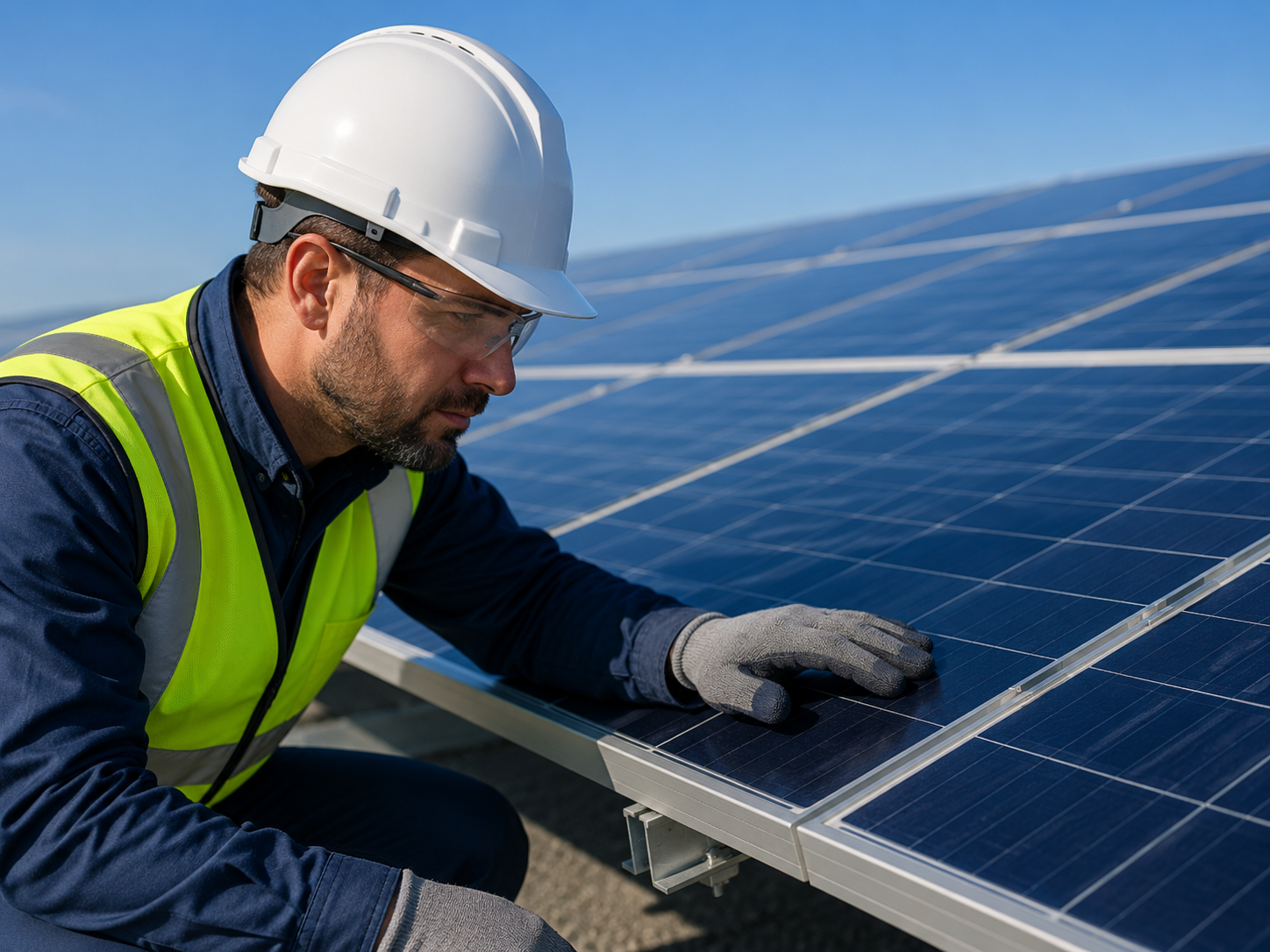
Visual Inspection
Check module condition before installation
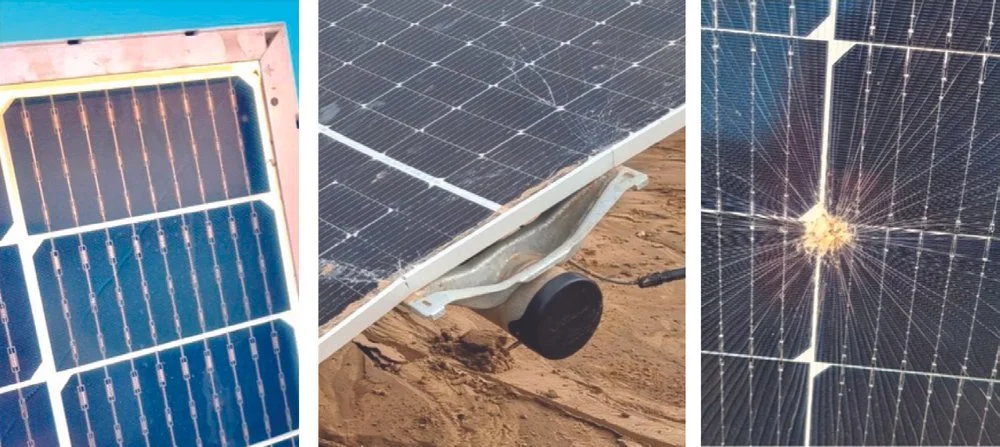
Modules can be damaged during shipping, unloading, storage, or handling on site. Some damage is visible. Other damage, such as cell cracks, may only show up with the right field test.
A site acceptance inspection helps you document module condition before installation, so transport or handling issues can be identified early and compared against factory records where available.
When this inspection helps
Modules have arrived on site.
Packaging looks damaged.
There are concerns about transport or unloading.
A supplier or EPC requires incoming goods checks.
You need documentation before modules are installed.
You want a baseline before commissioning.
What we may test
The right inspection method depends on what needs to be confirmed. For incoming goods or site acceptance, Intertek CEA may use visual inspection, EL testing, IV curve tracing, or a combination of methods.
| Method | What it helps identify | When it is useful |
|---|---|---|
| Visual inspection | Obvious physical damage, broken glass, frame damage, backsheet issues, connector damage, and packaging damage. | Useful for first-level screening and documentation when modules arrive on site. |
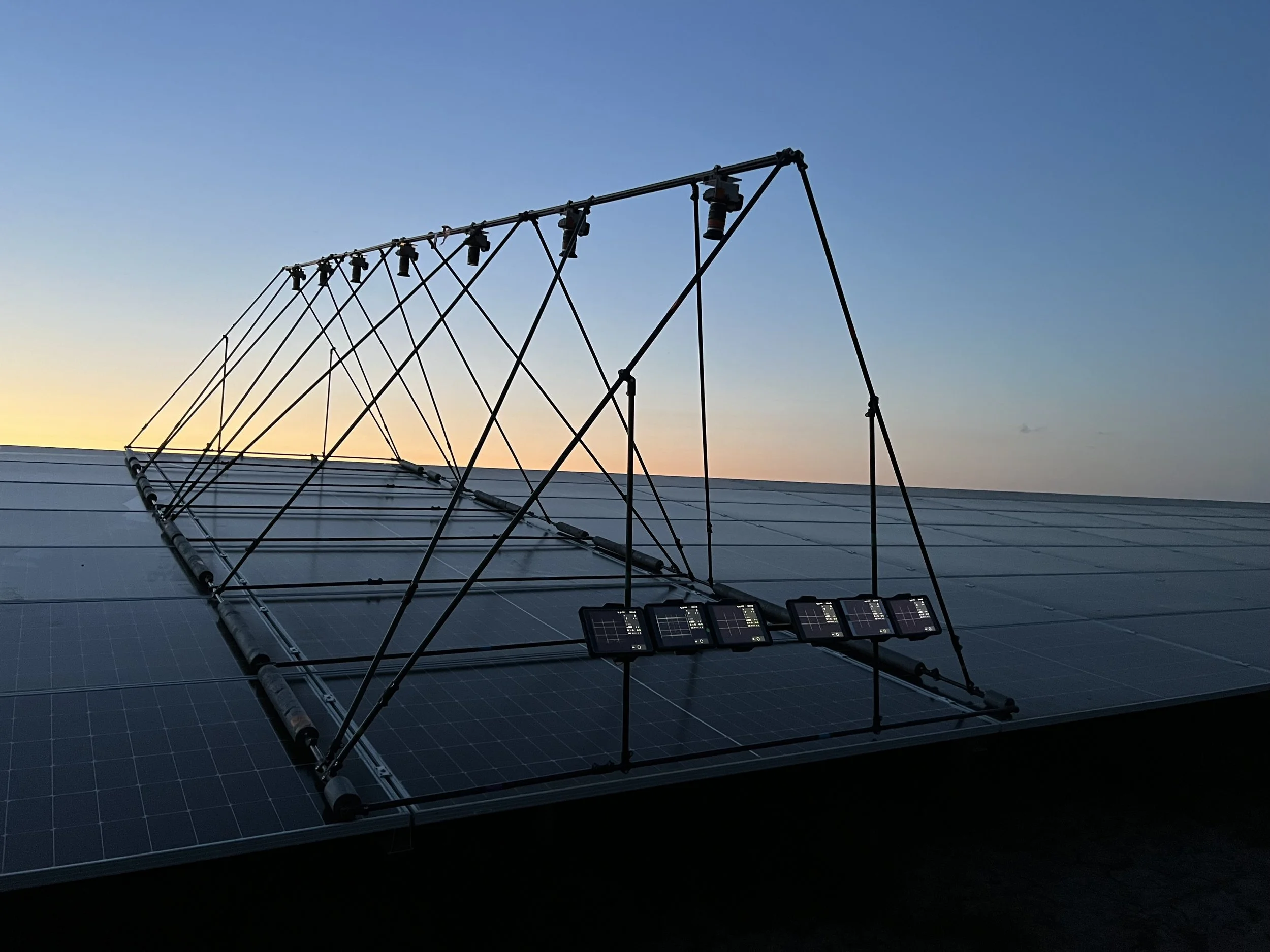
| EL testing | Hidden cell cracks, inactive cell areas, and internal module damage that may not be visible from the outside. | Useful when visual inspection is not enough, or when field images need to be compared with factory EL images. |
| IV curve tracing | Electrical performance behavior of modules or sample groups. | Useful when performance confirmation is needed, or when shipment damage may affect module output. |
How we decide the right scope
The final inspection plan depends on a few practical questions:
What condition are the modules in when they arrive?
If packaging is intact and risk appears low, a defined visual inspection and sample-based EL may be enough. If packaging is damaged, modules were mishandled, or several visible defects are found, a broader inspection may be needed.
Are factory records available?
If factory EL images or production records are available, field EL images can help compare module condition before and after shipment. This can support clearer discussions about whether damage happened in production, transport, or handling.
What evidence do you need?
A quick internal quality check may need less documentation than a supplier dispute, warranty discussion, or insurance claim. If the result may be used in a claim, the inspection plan should produce defensible records: module IDs, serial numbers, images, locations, and clear defect classification.
Are the modules installed yet?
Uninstalled modules can be tested differently than installed modules. If modules are still on pallets or staged on site, mobile lab or controlled on-site testing may be practical. If modules are already installed, the approach may shift toward commissioning field testing.
What you get
The report should give the client a clear view of:
Which modules were inspected
What damage or anomalies were found
Which issues were visible and which were hidden
Whether additional testing is recommended
How findings are documented by serial number, batch, pallet, or site location
Latest Field Inspection Insights
In this pv magazine Week Europe webinar, experts from Intertek CEA and AePVI explore how developers, EPCS and investors can implement a testing and inspection program that is tailored to the specific needs of their PV plant.
pv magazine: Jörg Althaus and Huatian Xu detail how the Middle East’s rapid solar expansion is shaped by both aggressive local-content industrial policies and the region’s uniquely harsh desert conditions.
PV Tech: Joerg Althaus, Intertek CEA’s Director of Engineering Services and Quality Assurance, warns that racking complexity, corrosion, evolving supply chains, and rising glass breakage risks pose growing challenges to solar PV projects.
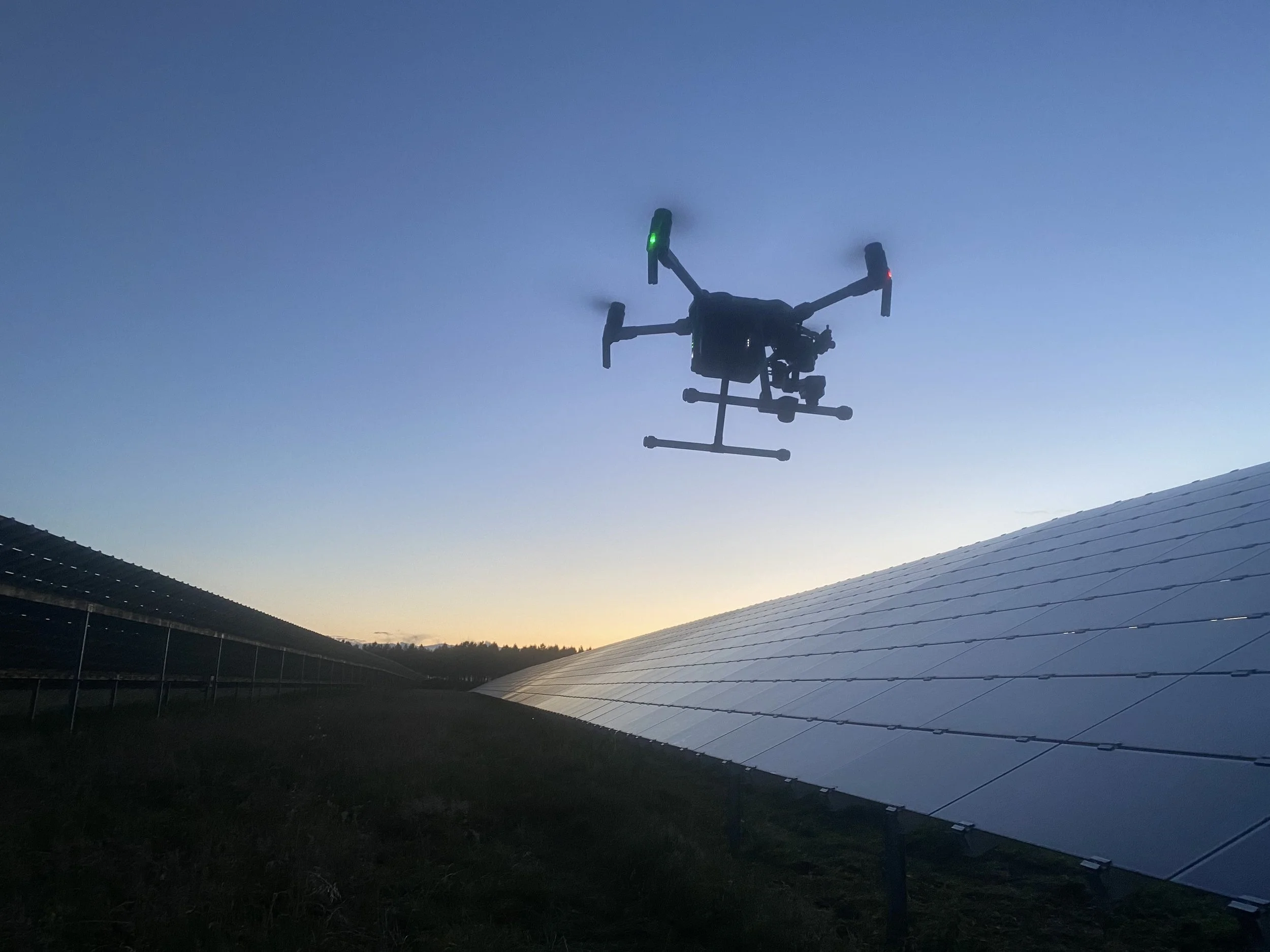
pv magazine: Jörg Althaus of Intertek CEA and Andreas Fladung of Aerial PV Inspection highlight how electroluminescence (EL) testing — including drone-based approaches — can uncover microcracks, early degradation, and installation-related damage.
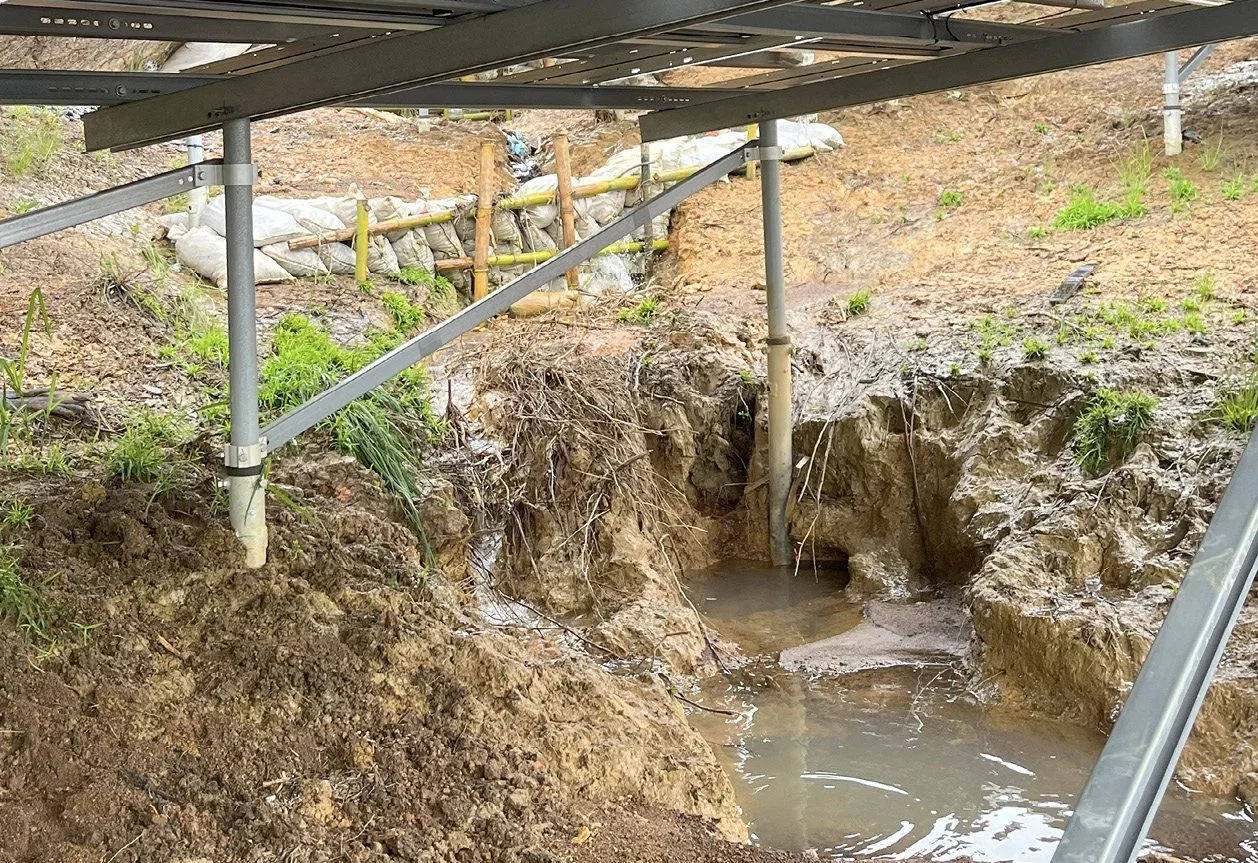
pv magazine: Intertek CEA's engineering experts highlight how overlooked site-specific challenges such as poor soil conditions, flash floods, complex terrain, and extreme wind loading in Southeast Asia can derail solar projects if not addressed early through rigorous engineering and civil due diligence.
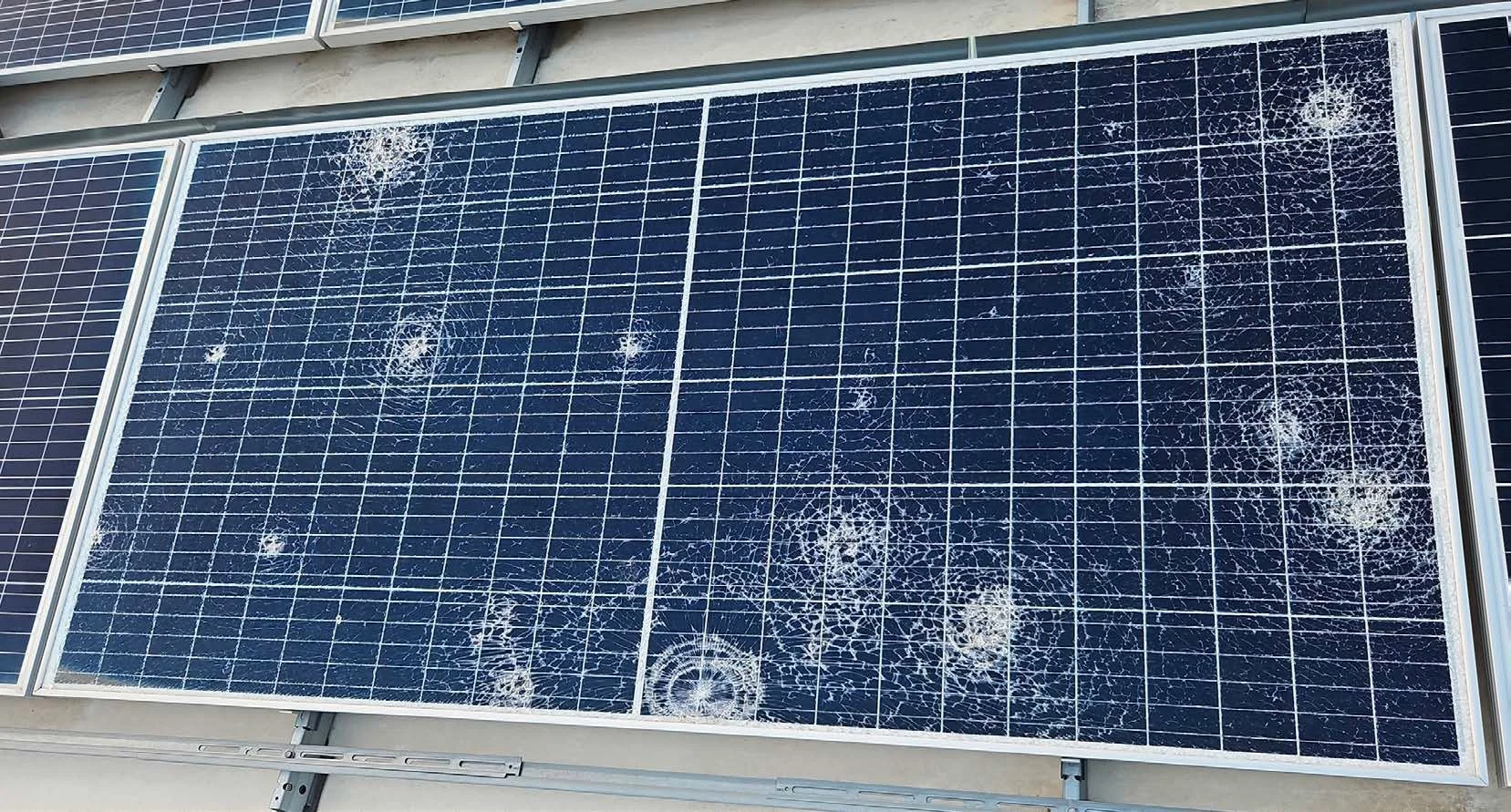
pv magazine: Solar modules are growing larger, thinner, and more powerful—but a recurring issue is emerging worldwide: broken glass. According to Intertek CEA’s Joerg Althaus, these cracks often start near the frame or clamps and can spread from a few panels to thousands, without any obvious cause like hail or mishandling.
Sonnedix, an international renewable energy producer, engaged Intertek CEA to conduct commissioning inspections for its recently-installed solar projects. The goal of the work was to ensure that their contractor (EPC) followed the agreed scope of work.
As solar deployments continue to grow, so do the risks of module failures, underperformance, and safety hazards—many of which are preventable with the right knowledge. In this Solar Power World webinar, Intertek CEA Senior Engineering Managers Claire Kearns-McCoy and Ankil Sanghvi explain how understanding common pitfalls—from thermal events to electrical failures—can help developers avoid millions in losses.
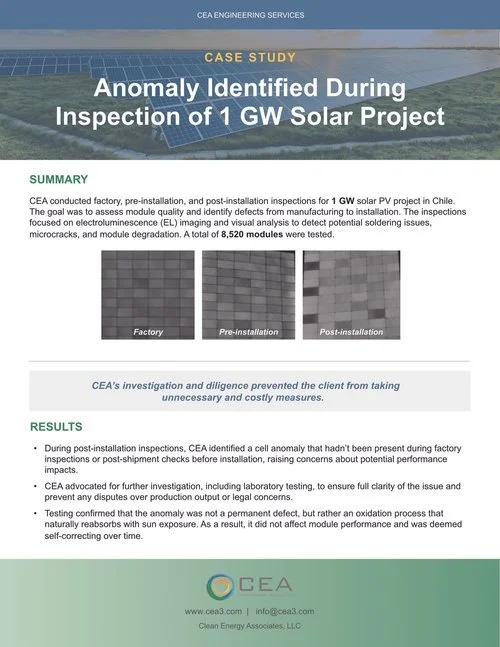
CEA conducted factory, pre-installation, and post-installation inspections for 1 GW solar PV portfolio in Chile. The goal was to assess module quality and identify defects from manufacturing to installation. The inspections focused on electroluminescence (EL) imaging and visual inspection to detect potential soldering issues, microcracks, and other module degradation mechanisms. A total of 8,520 images were taken.
A solar project developer engaged CEA to investigate widespread glass breakage across multiple PV sites. CEA conducted comprehensive on-site inspections and structural assessments, which pointed to possible issues related to module durability and mounting system compatibility.
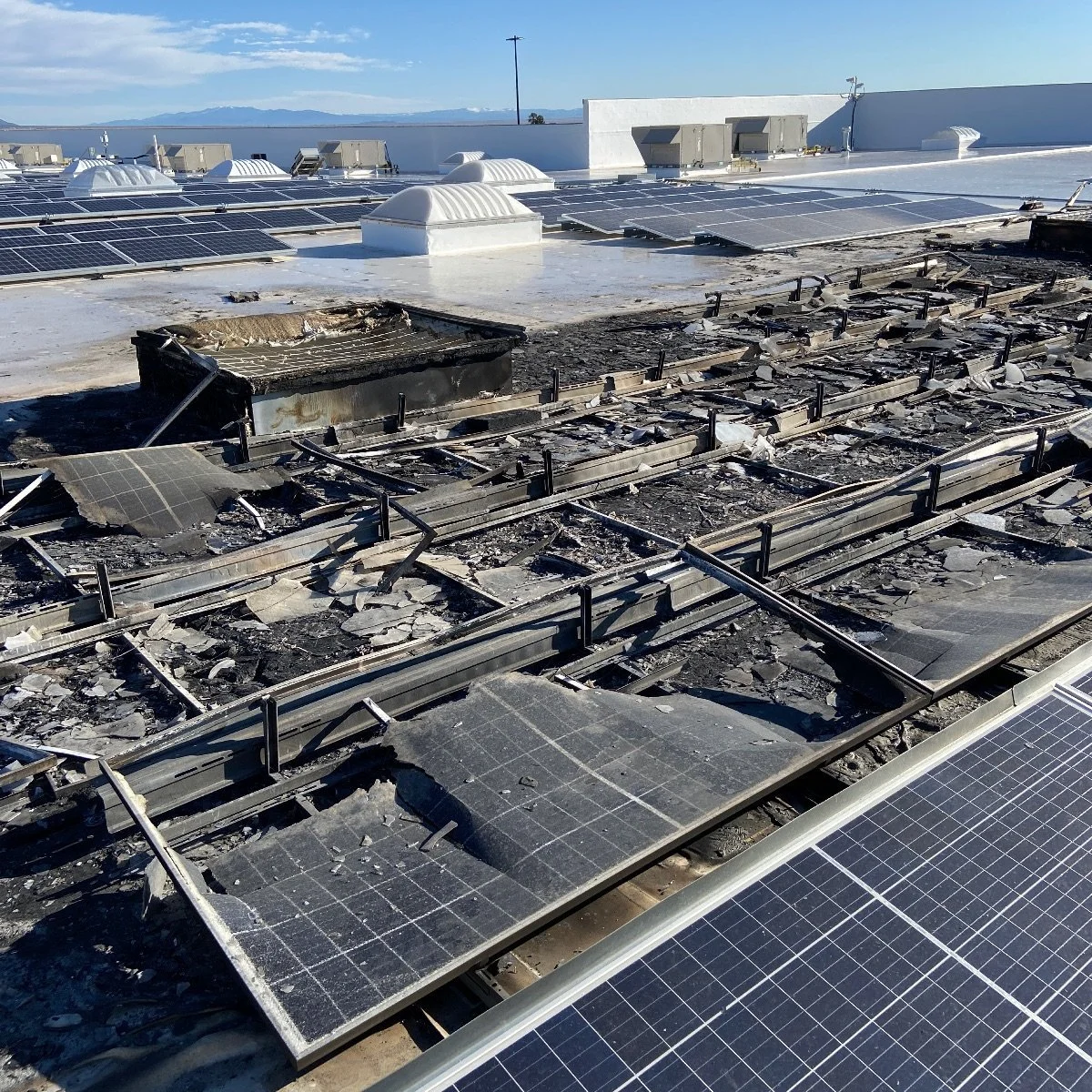
This case study explores a thermal event inspection carried out by Clean Energy Associates (CEA) at a rooftop solar PV installation. CEA found the access to the roof was unsecured that allowed unauthorized cleaning of the site prior to the start of the investigation.
Claire Kearns-McCoy and Paul Wormser consider the lasting impact of a May 2019 hailstorm that damaged 400,000 solar panels in Texas.
In this PV Tech article, Ankil Sanghvi, Senior Engineering Manager, looks at the details of inverter architecture that should be investigated to prevent the worst from happening.
In this pv magazine Webinar, Nicholas Hudson, Principal Engineer Engineering Services, and Ankil Sanghvi, Senior Engineering Manager at CEA, shed light on how thermal events and other costly safety issues are often driven by preventable failures.
In this pv magazine Webinar, Nicholas Hudson, Principal Engineer Engineering Services, and Jörg Althaus, Director Engineering and Quality Assurance Services, discuss common issues during production, what the downstream impact of those issues are, and action that can be taken to prevent these risks.
This fourth part of Due Diligence 101 series covers due diligence for buying solar farms, emphasizing analyzing control systems, degradation, shifting equipment, project portfolios, operations, maintenance, and comparing with original design specifications for optimal performance and reliability.
This third article in the Due Diligence 101 series explores how performance modeling is essential for evaluating the expected output and identifying potential issues in an existing solar energy project, providing a basis for informed acquisition decisions.
In this webinar hosted by the American Solar Energy Society's PV Technical Division, CEA's Engineering Manager Claire Kearns-McCoy discusses solar PV module quality risks.
CEA’s Vice President of Marketing, Jake Edie, recently wrote an article in Renewable Energy World about the most surprising findings in clean energy and what developers and buyers will be watching most closely as 2024 unfolds.
After years of improving quality standards, solar cell cracking appears to be on the rise again, perhaps due to new manufacturers entering the sector. Clean Energy Associates’ (CEA) senior engineering manager Claire Kearns-McCoy considers ways to stop the rot.
Successful solar project acquisition depends on evaluating the technology and engineering choices made—modules, inverters, racking systems, and production models. This post dives deep into how these decisions provide insights to corporate renewable energy buyers, ensuring the project's viability and performance.
Intertek CEA's extensive field research unveils the hidden threats in solar PV modules, emphasizing the critical role of Electroluminescence (EL) testing in detecting unseen damages. Our findings highlight the lifecycle of module defects, the surge in microcracks, and the pivotal importance of visual inspections in identifying issues often missed by other methods.
Explore the essentials of technical due diligence for solar PV systems. This series begins with a focus on site assessments, addressing challenges from foundation types to weather impacts for both ground and rooftop installations.
Uncover the truth about solar rooftop safety. Download Intertek CEA's report, learn common risks, and strategize remediation.
Going above and beyond can drive up costs when it comes to solar project features such as racking height and module glass strength. But in an ever-warming world, it could take only one extreme weather event to destroy investments. Clean Energy Associates VP - Technology Paul Wormser offers a few tips for developers.
While performing PV module electroluminescence (EL) inspections in the field, a new type of microcrack associated with new module and cell technologies has been spotted. They are known as edge ribbon cracks, and have been seen to grow during shipping and installation. CEA’s Claire Kearns-McCoy and George Touloupas offer a closer look.
A leading private equity fund recently led an investment of over USD $100 million into a PV module manufacturer, supported by technical and market due diligence provided by CEA.
In 2021, Quanta Services, Inc., a Fortune 500 infrastructure solutions firm, was evaluating the potential acquisition of Blattner Holding Company, a renewable energy engineering, procurement and construction (EPC) firm ranked among the top two solar contractors over the past two years by Solar Power World. Quanta engaged CEA to perform technical and market due diligence on the potential acquisition.
The benefits of rooftop solar are enormous. However, the risk of fires on rooftop installations is uncomfortably common. A recent study by Clean Energy Associates showed that 90% of inspected rooftops had significant safety and fire risks.
pv magazine Roundtables USA included this presentation by CEA’s Senior Project Manager/Solar Engineer, Claire Kearns-McCoy on the importance of using EL imaging to ensure PV module quality.