Reduce PV system safety and fire risk before an incident occurs
PV systems can operate for years while carrying safety issues that are not obvious from a distance. Damaged connectors, wiring issues, installation concerns, hidden bypass diode problems, and thermal anomalies can all increase safety, fire, and performance risk.
A safety audit helps identify these issues before they become incidents. It gives owners, operators, building owners, and asset managers a clearer view of what needs attention, where the risk is located, and which corrective actions should be prioritized.
Intertek CEA provides third-party PV safety audits for existing sites, with field inspection methods selected based on the site condition, suspected risks, and the level of evidence needed.
When this inspection helps
You want to reduce fire or safety risk in an operating PV system.
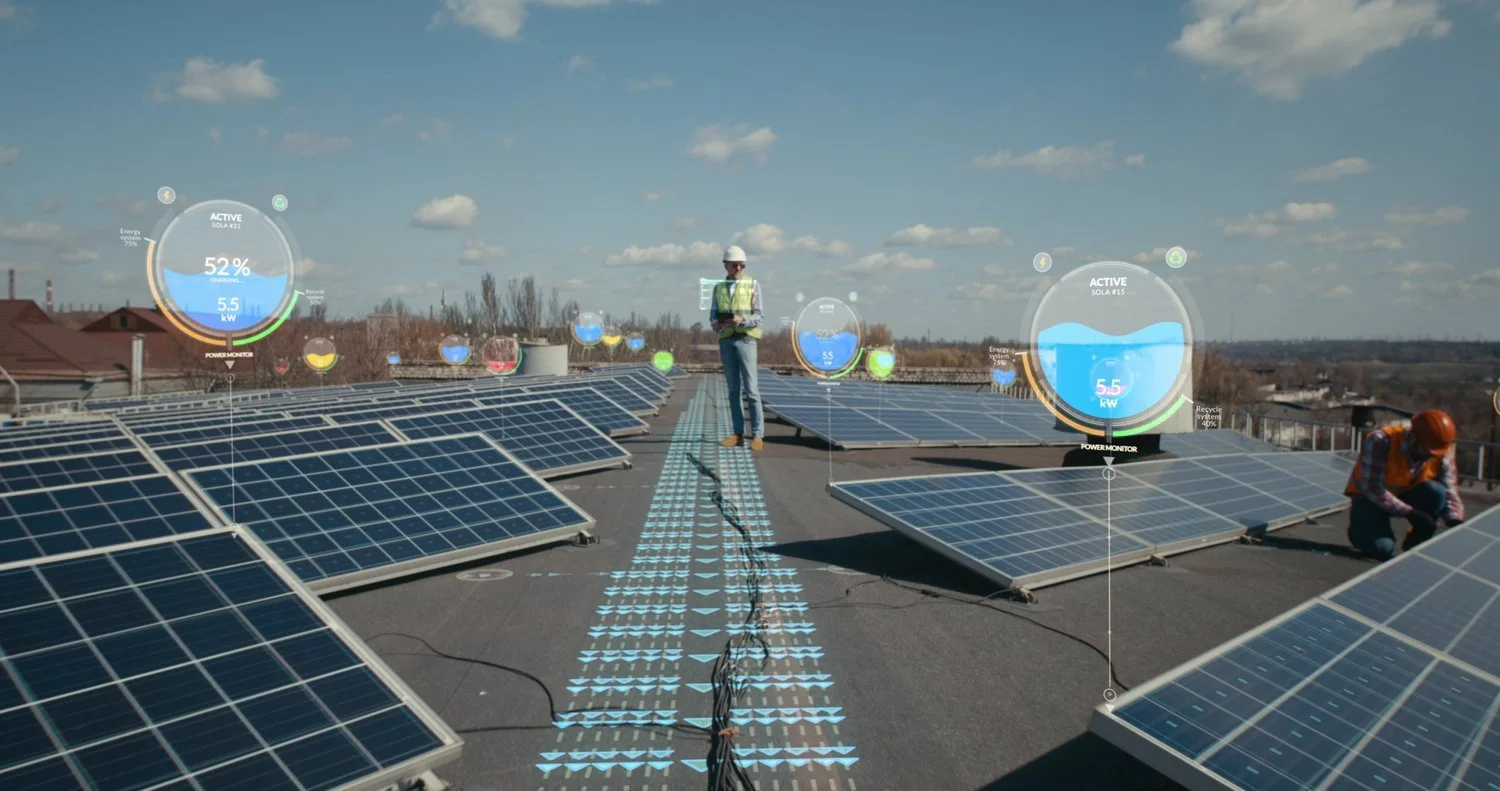
You need an independent review of rooftop or ground-mount PV installation quality.
You are concerned about wiring, connectors, damaged components, or inconsistent installation practices.
Thermal anomalies or hotspots have appeared during operation.
Lost bypass diode risk is suspected.
You need to check BOS components, wiring, combiner boxes, or other electrical field hardware.
You need a prioritized view of visible, thermal, or electrical risks before an incident occurs.
How we decide the right scope
The final safety audit scope depends on the system type, the known risks, and how the results will be used.
1. What risk needs to be assessed?
Some audits focus on fire risk, connector or wiring issues, and visible installation concerns. Others need thermal screening, LBPD testing, or broader electrical checks to understand hidden risk.
2. What type of PV system is being reviewed?
Rooftop and ground-mount systems can have different access constraints, installation risks, and documentation needs. The inspection scope should reflect the site layout and how the system is operated and maintained.
3. Are there thermal signs of risk?
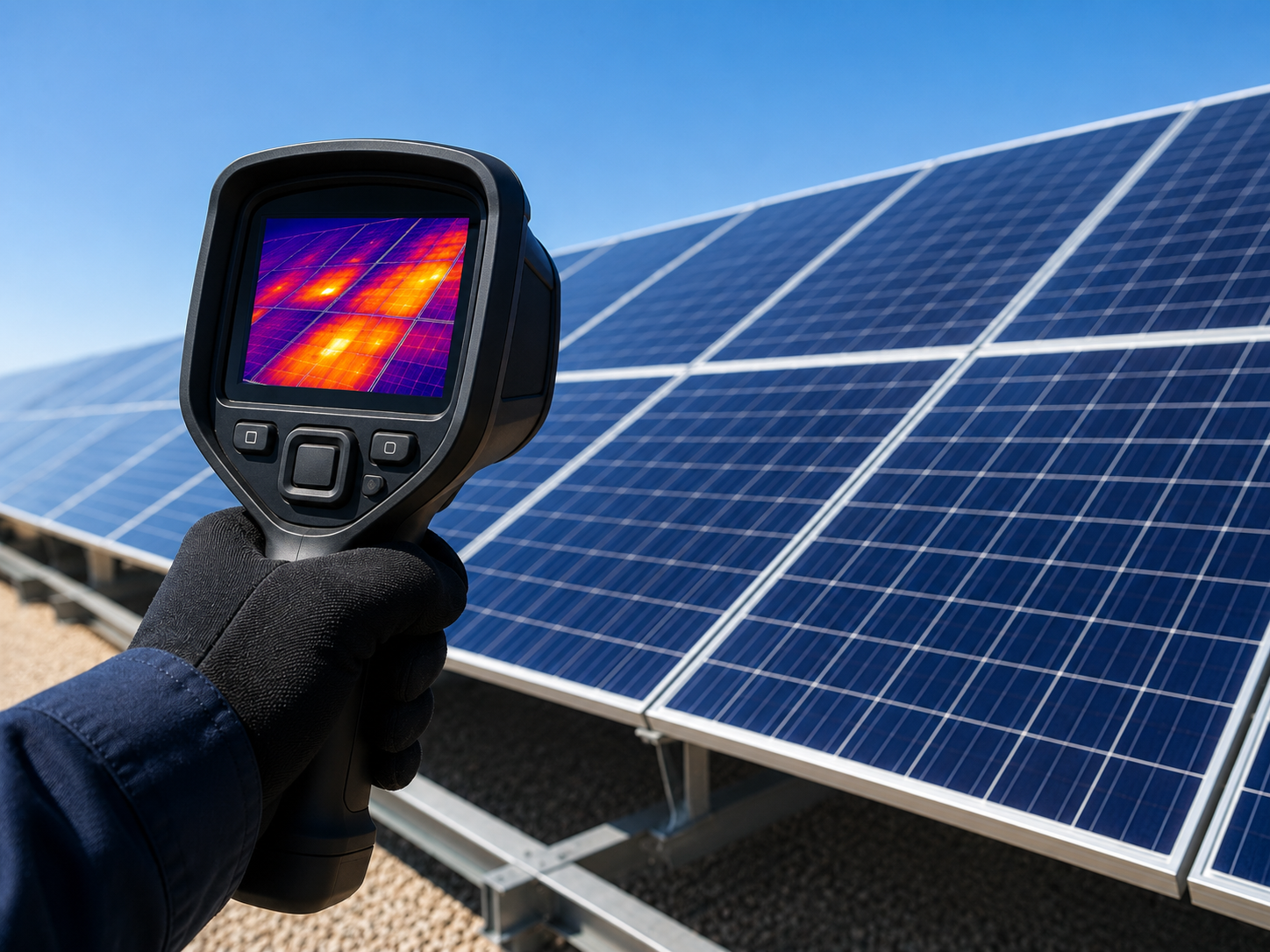
If hotspots or thermal anomalies have already been observed, IR thermography can help confirm the pattern and identify which areas need closer review.
4. Could hidden bypass diode issues be involved?
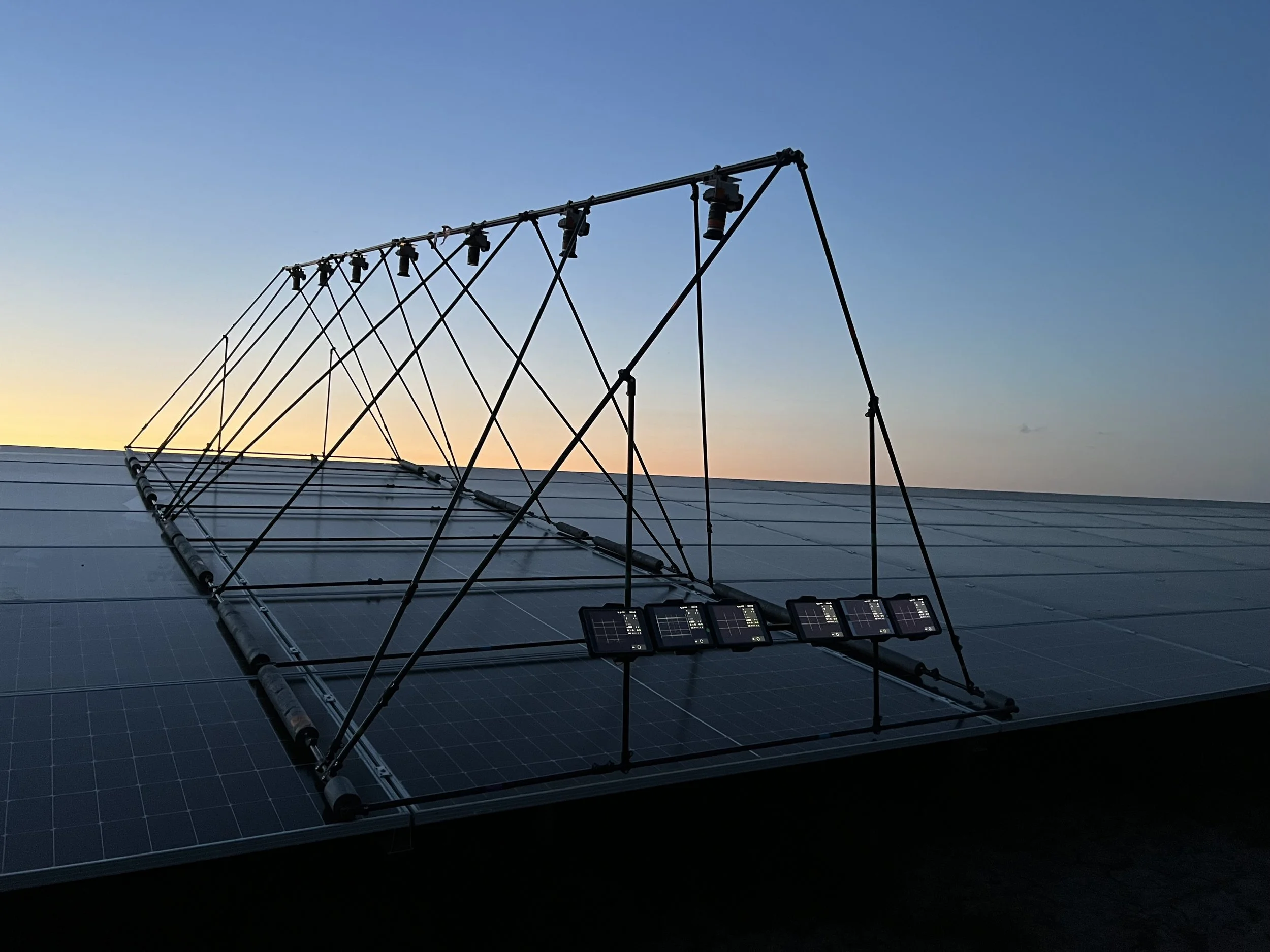
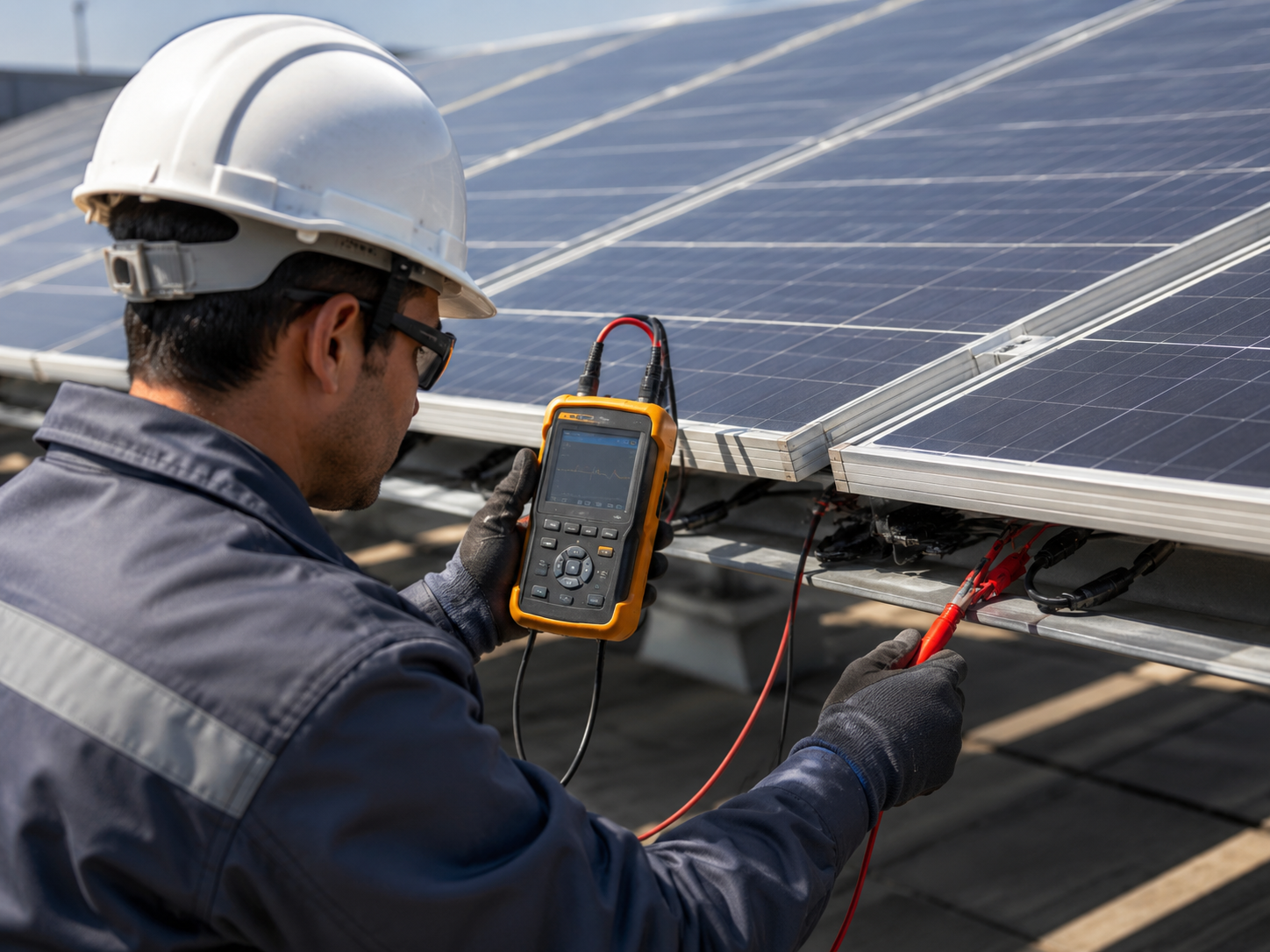
Lost bypass diode issues may not show up during routine inspection. If the risk is suspected, LBPD testing can be added to check whether hidden diode defects may create hotspot or fire risk under shading.
5. Are BOS or electrical field components part of the concern?
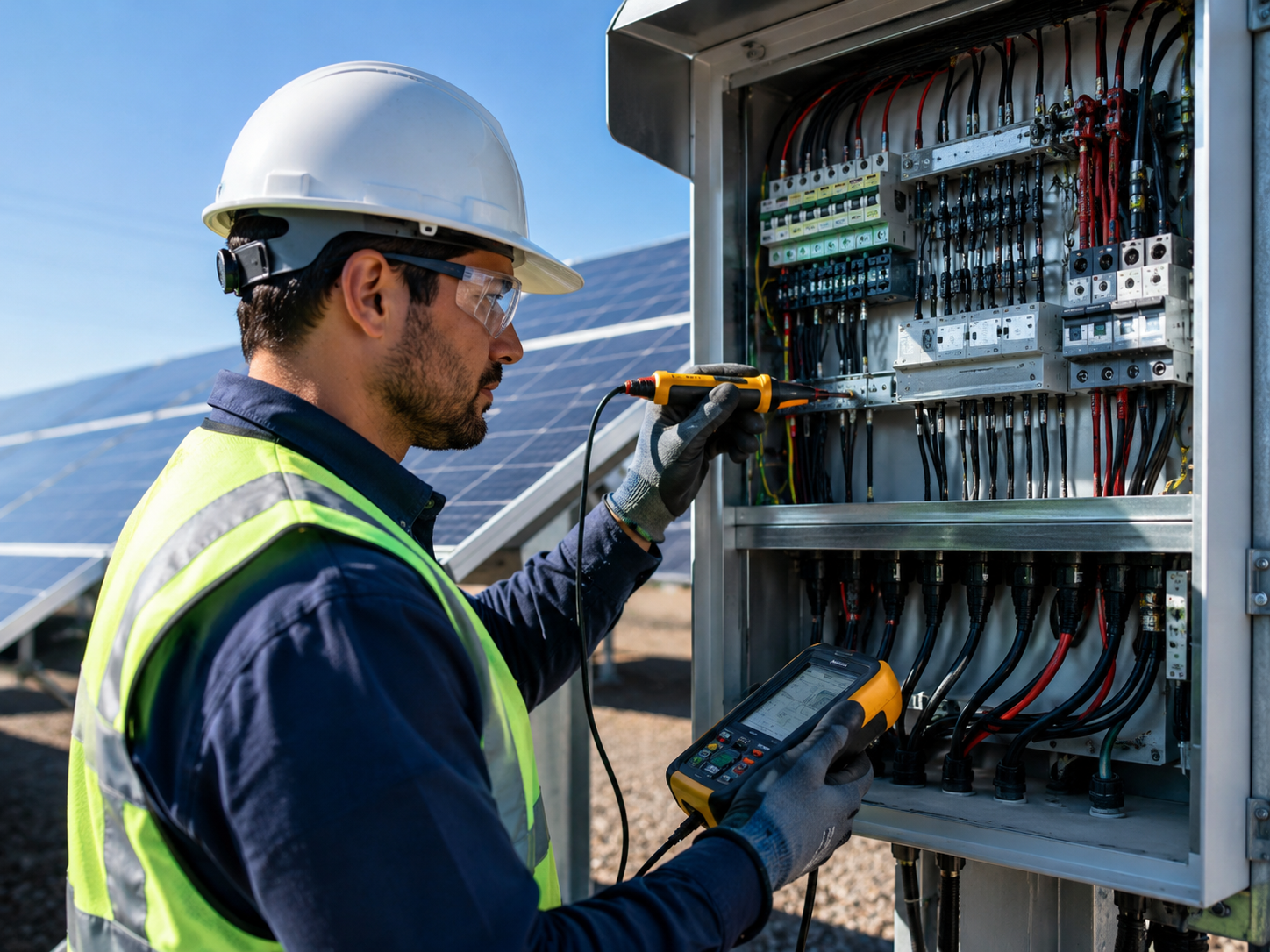
Safety risk is not limited to modules. Wiring, connectors, combiner boxes, insulation issues, and other field hardware may need to be checked when electrical behavior or fire risk is part of the audit objective.
6. How should findings be mapped?
Before fieldwork starts, it helps to agree how findings will be identified and mapped: by module, string, table, inverter block, combiner box, roof area, GPS location, or the site’s own naming conventions.
What we may test
The right safety audit scope depends on the PV system, the suspected risks, and whether the review is preventive or driven by known field concerns. Intertek CEA may combine visual inspection, infrared thermography, LBPD testing, and BOS / electrical field testing.
| Method | What it helps identify | When it is useful |
|---|---|---|
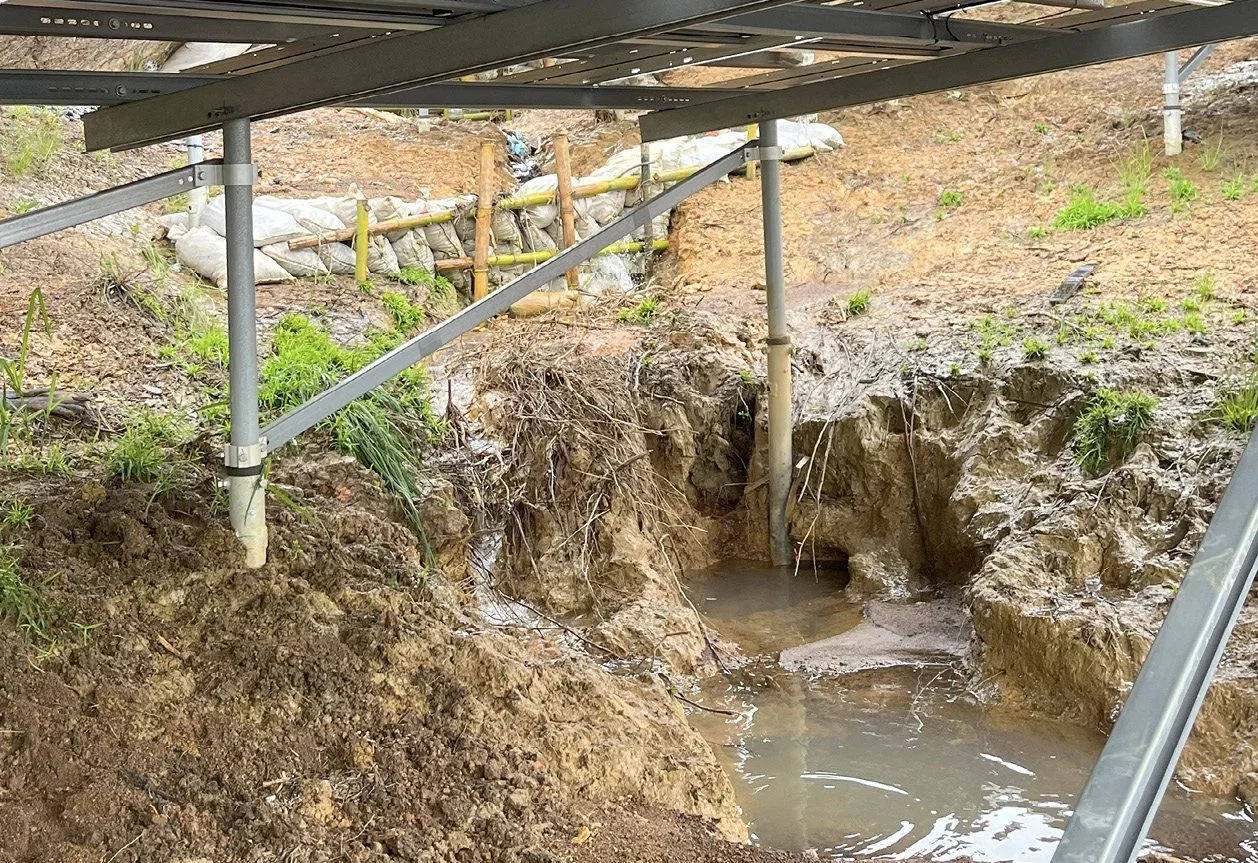
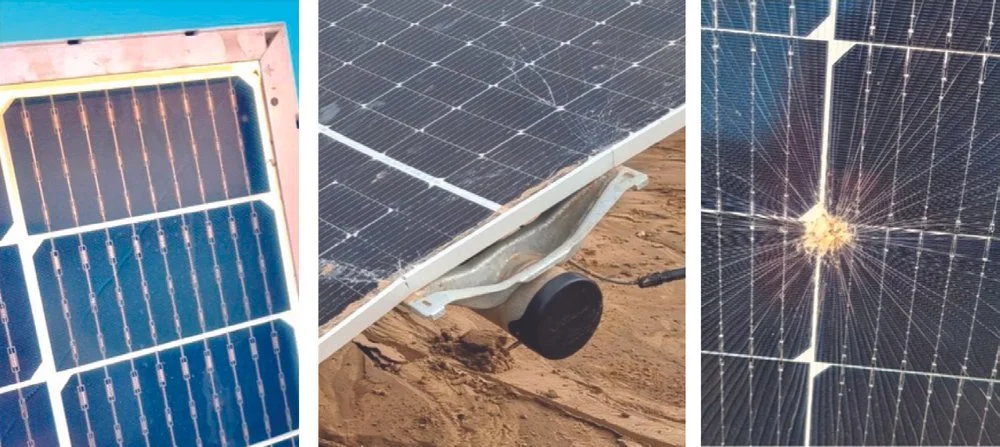
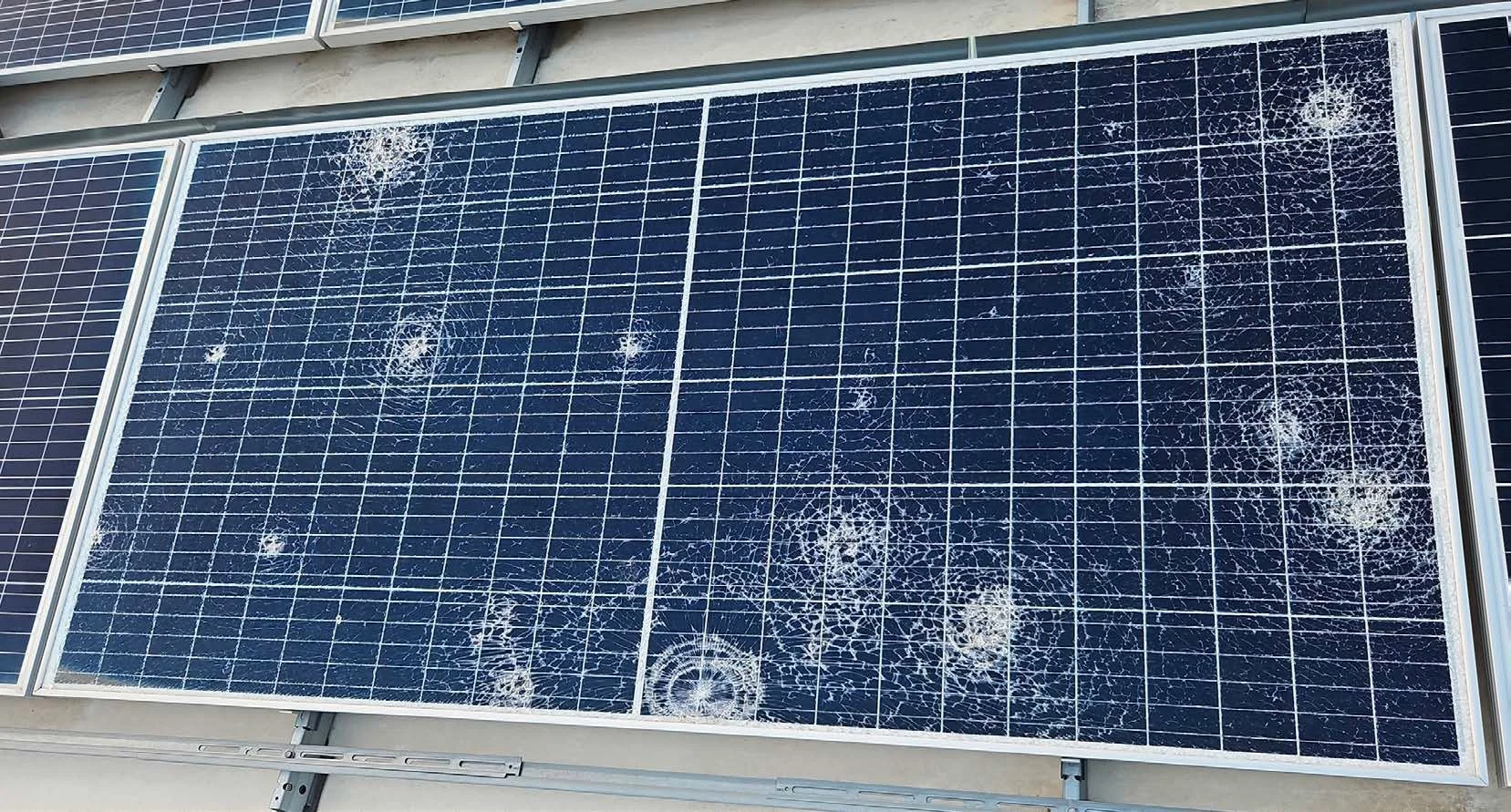
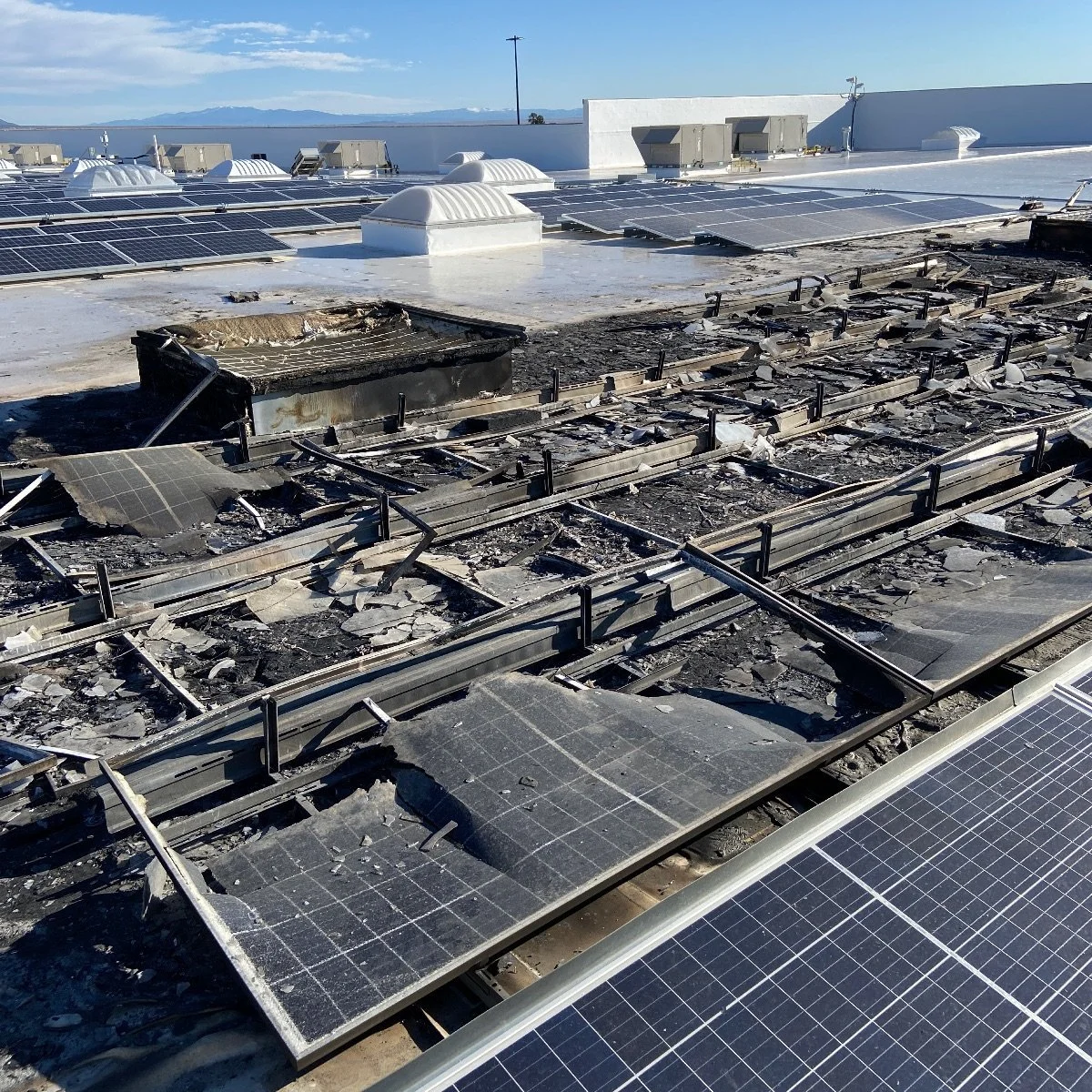
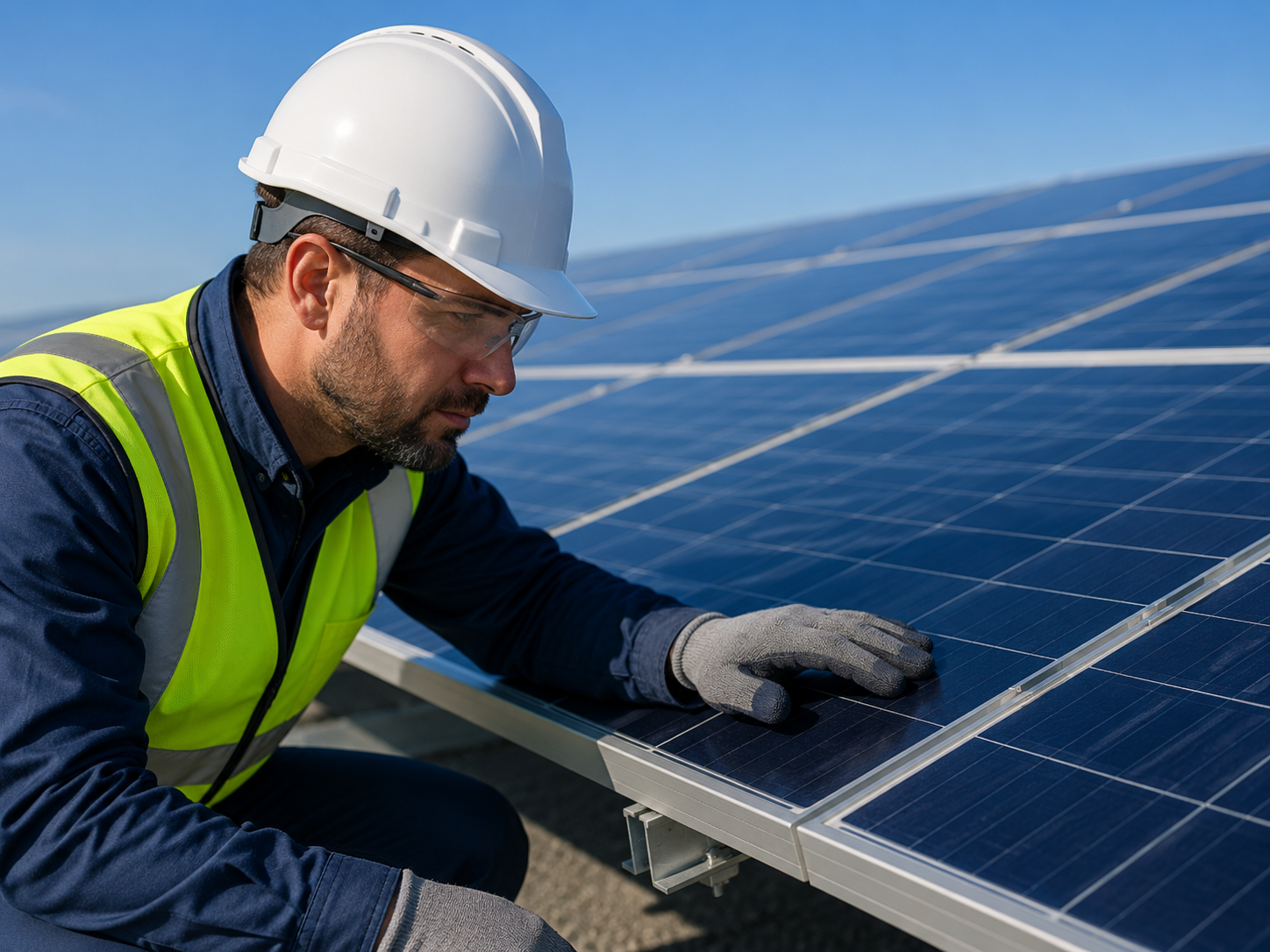
| Visual inspection | Visible safety risks, damaged components, broken glass, burn marks, connector issues, wiring concerns, installation issues, soiling, shading, and site-level observations. | Useful as a first-level safety check and for documenting visible conditions that may increase fire, safety, or performance risk. |
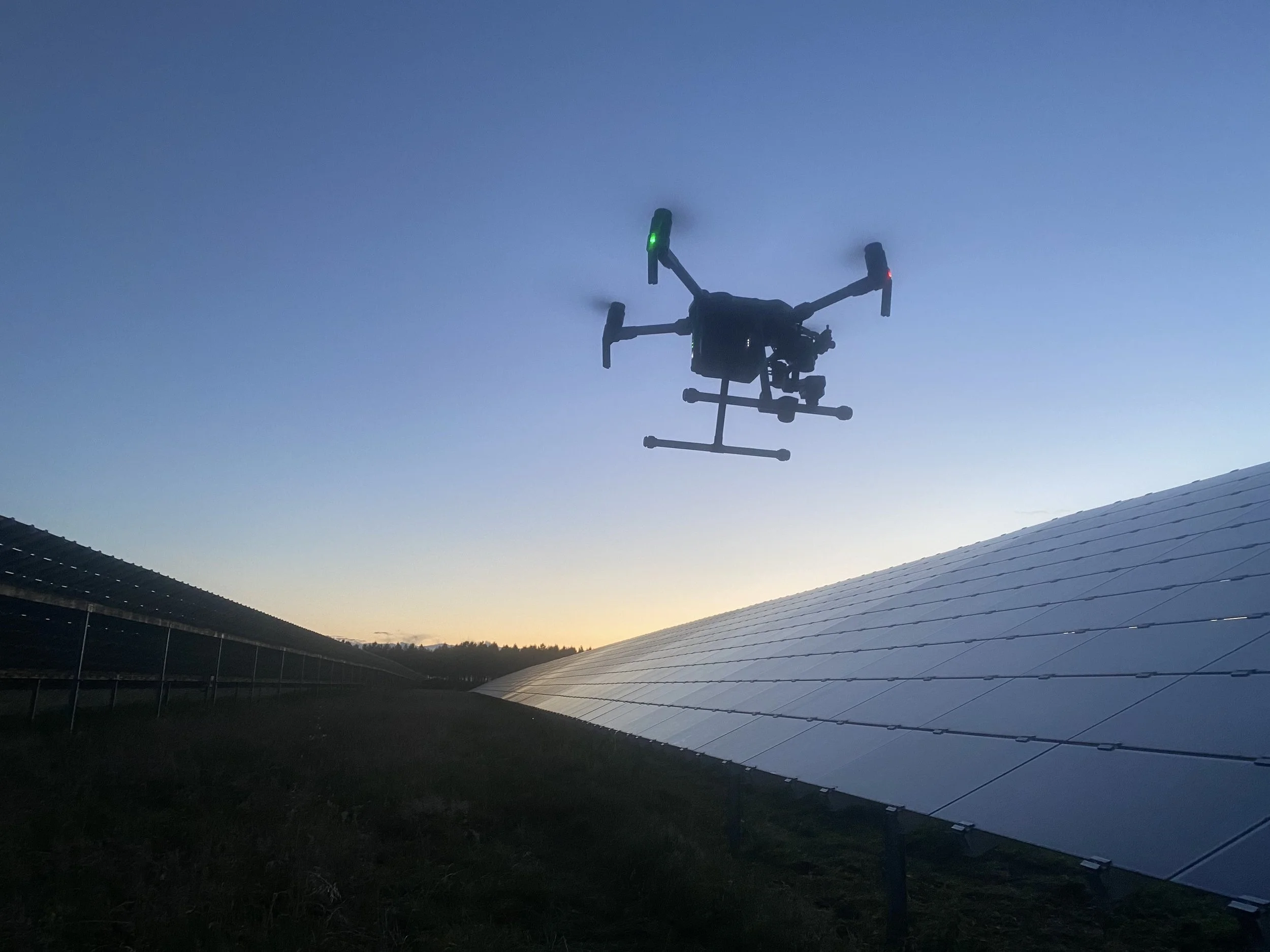
| Infrared (IR) thermography | Hotspots, thermal anomalies, affected modules or strings, and abnormal operating behavior under suitable field conditions. | Useful for identifying thermal risk patterns and locating areas that may need closer follow-up. |
| Lost Bypass Diode (LBPD) testing | Lost or defective bypass diode behavior that can remain hidden during routine inspection and may create hotspot risk under shading. | Useful when hidden bypass diode risk needs to be checked as part of a safety or fire-risk review. |
| BOS / electrical field testing | Wiring, connector, combiner box, insulation, string-level, and other balance-of-system electrical concerns. | Useful when safety questions involve electrical behavior, abnormal string operation, or field hardware issues. |
The exact scope depends on system type, access, known risks, operating status, and whether the audit is being used for prevention, corrective action planning, or post-incident follow-up.