
The 2025 Clean Energy Economy: The Battle of Policy vs. Fundamentals
By Jake Edie
This article was originally published in Renewable Energy World.

The outlook for the U.S. solar and energy storage market in the coming year remains uncertain. We don’t know exactly what the Trump Administration will try to accomplish, how important energy policy will be relative to other policy goals, or how Congress, the courts, and administrative rulemaking processes may slow down, change, or add to those policy goals.
These questions are vitally important. The clean energy industry is now sufficiently large that it has stakeholders across the political spectrum who value the jobs and economic development that it delivers. Successful clean energy projects require alignment of policy, economics, and technology. If any one of those elements doesn’t work, projects face great risks…
Read the full Renewable Energy World article.
Jake Edie is Vice President, Marketing at Clean Energy Associates, and an Adjunct Professor in the College of Engineering at the University of Illinois Chicago.

PV Tech: New solar factories face elevated quality risks during ramp-up as new staff, equipment, and production pressure increase defects. Intertek CEA’s Jordan Wilson explains how early audits and production monitoring can help buyers manage these risks.
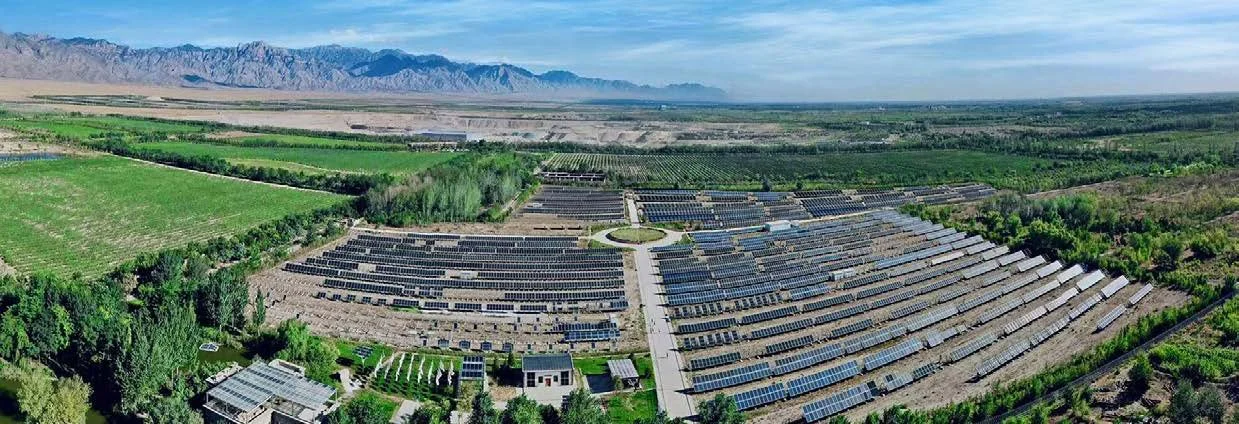
Huatian Xu explains how Intertek CEA will continue testing and monitoring PV modules independently through its own R&D program following the conclusion of the pv magazine test program earlier this year.
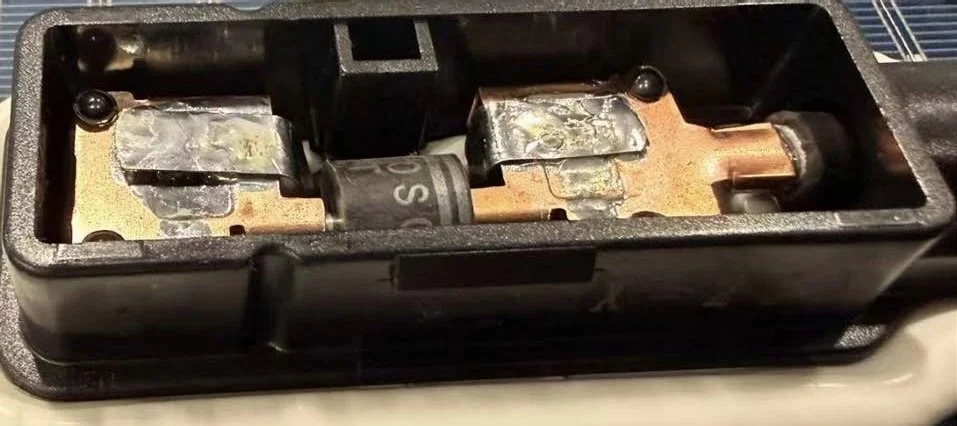
pv magazine: Claire Kearns-McCoy and Michael Scott of Intertek CEA report a rise in junction box failures across utility-scale and rooftop solar sites and explain why the only reliable window to catch these problems closes as soon as the potting compound cures.
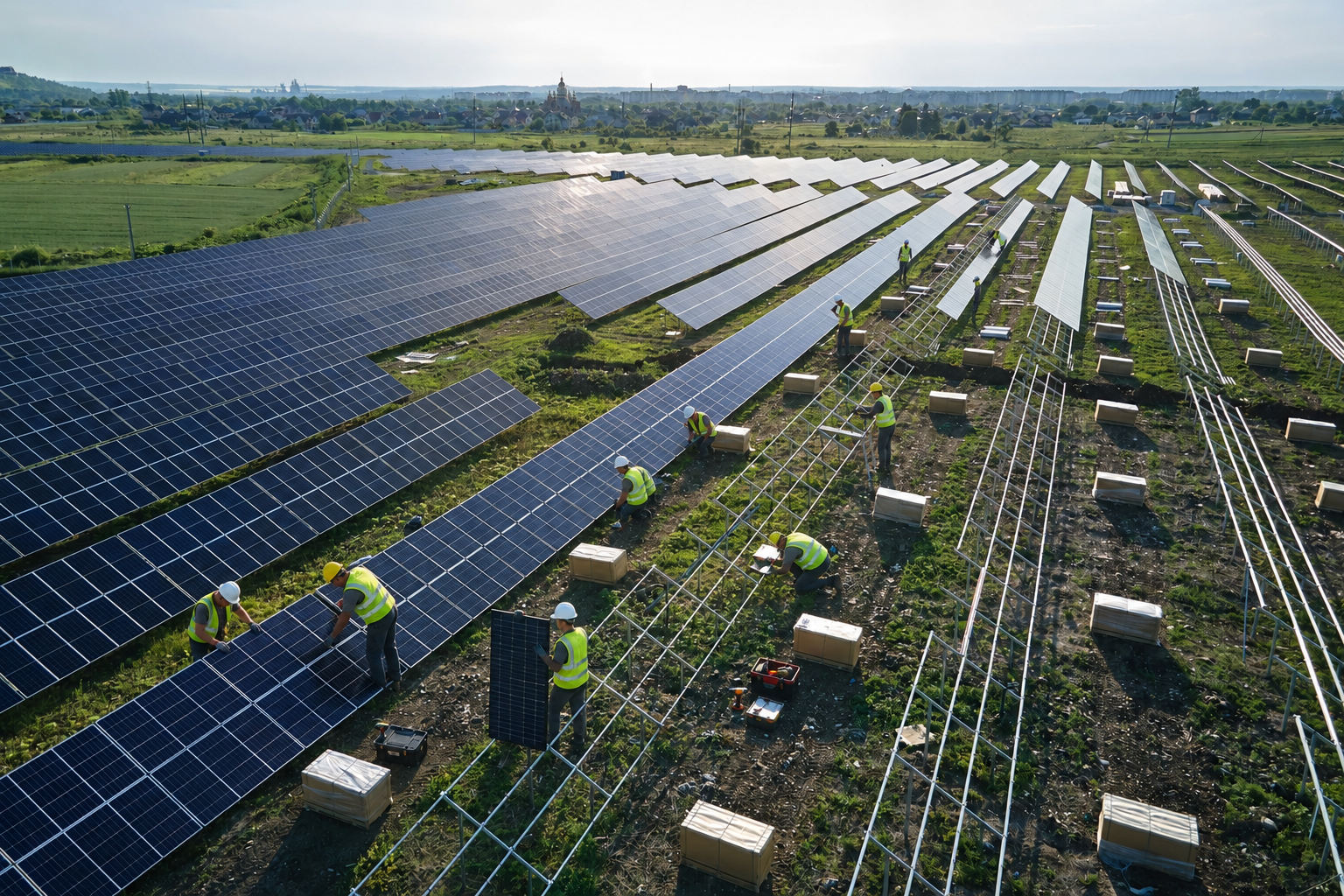
PV Tech: FEOC compliance can break down after contracts are signed as supplier ownership, IP licensing, or component changes affect tax-credit eligibility. Intertek CEA’s Jordan Wilson recommends ongoing monitoring, audits, bill-of-material controls, and contractual protections to manage risk through project completion.
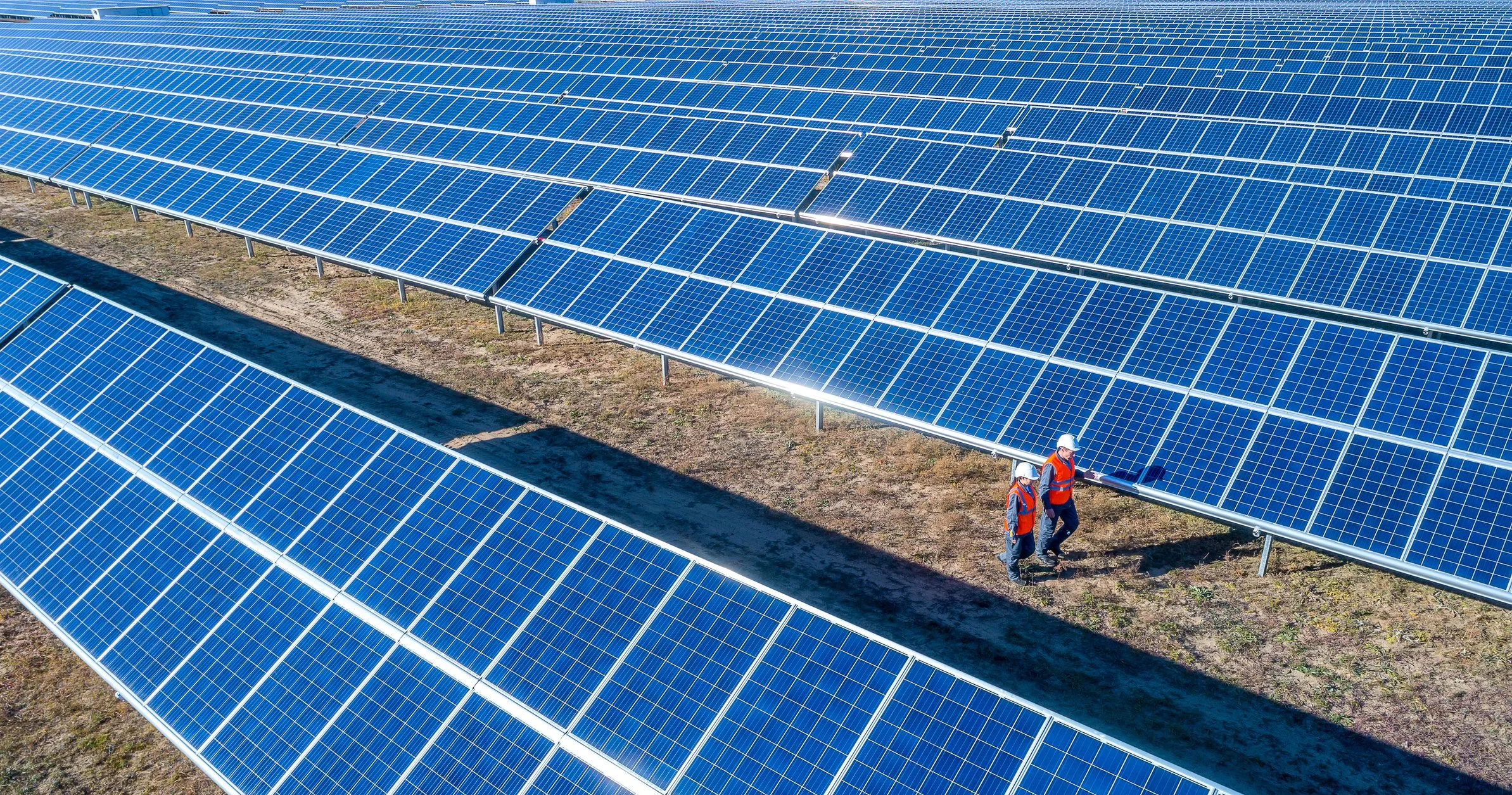
pv magazine: PV projects increasingly face financing and execution risk from documentation gaps. Intertek CEA COO Jeffrey Burkett sees technically sound, commercially viable projects struggle to close financing because critical proof was not built up along the way.

Energy Storage News: Rising demand for energy storage in the US does not yet have a domestic supply chain to meet it.
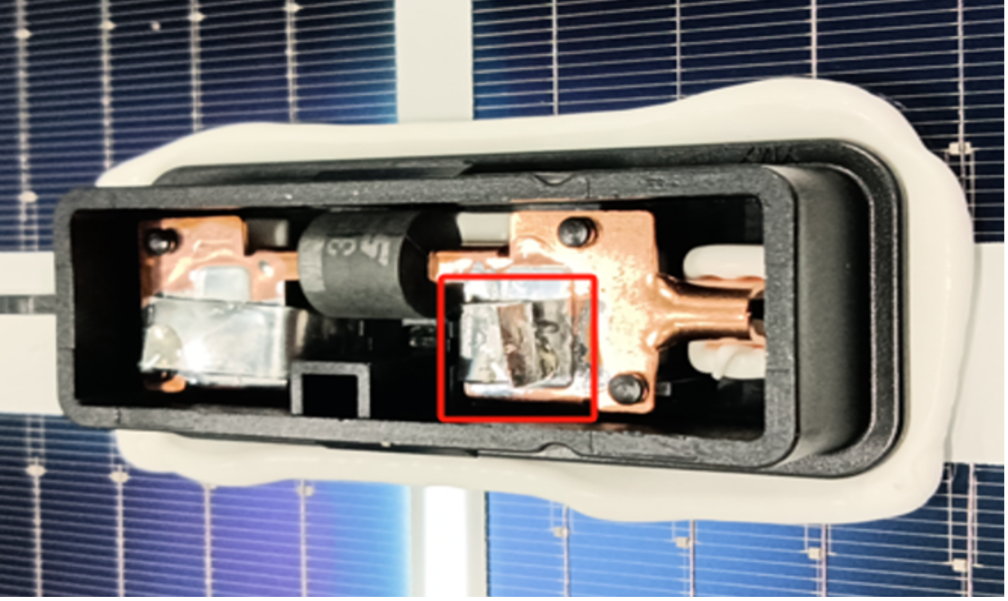
In this article, Joerg Althaus of Intertek CEA explains why lost bypass diodes in PV modules are a hidden fire risk: they can pass standard factory and field inspections, yet create severe overheating when shading occurs.
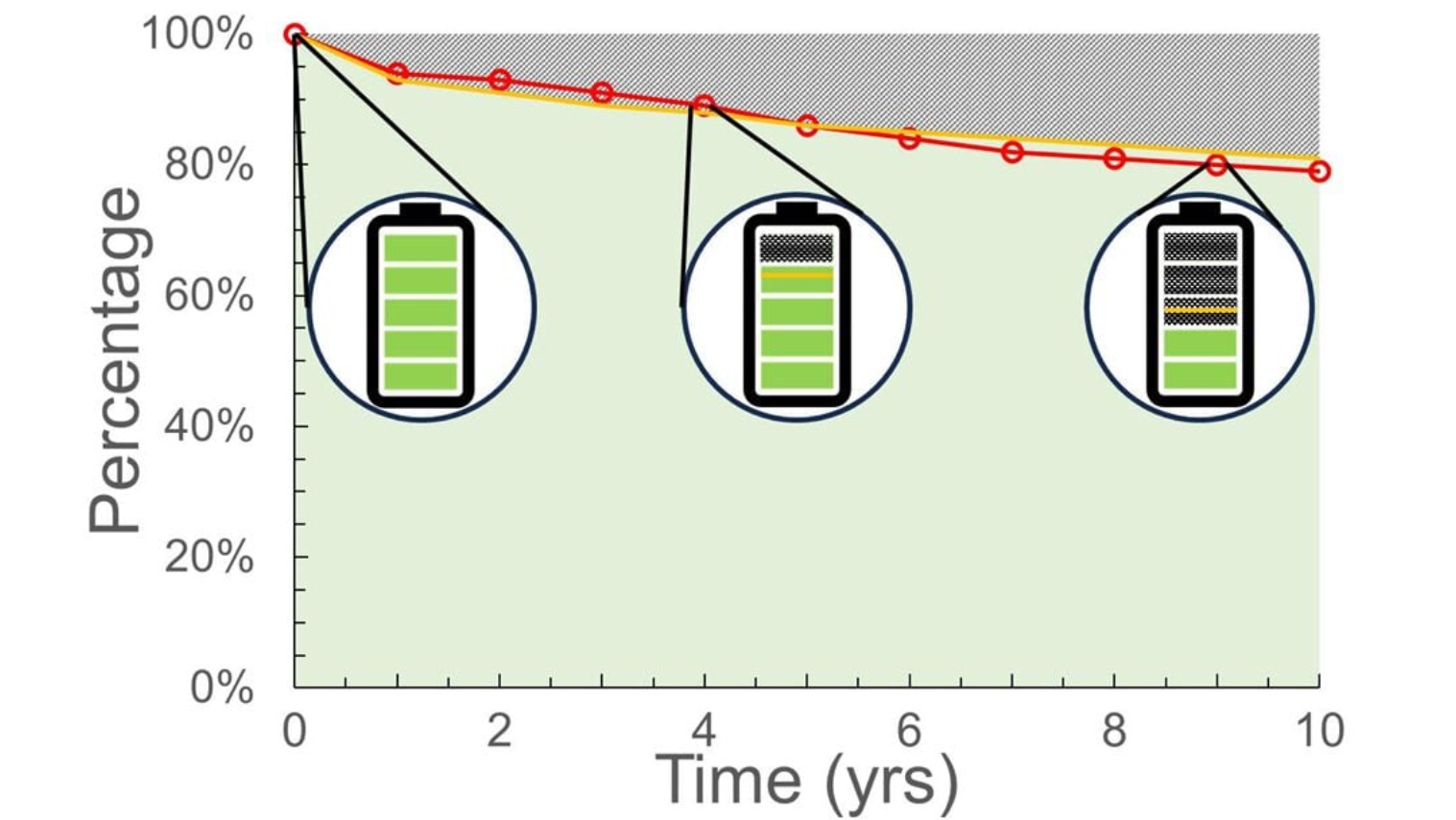
Energy Storage News: To avoid pitfalls that can begin on the factory floor and extend well into operational lifetime, developers must sign well-structured guarantees and contracts to protect their BESS investments, writes Intertek CEA Senior Energy Storage Engineer Yilin Huang.
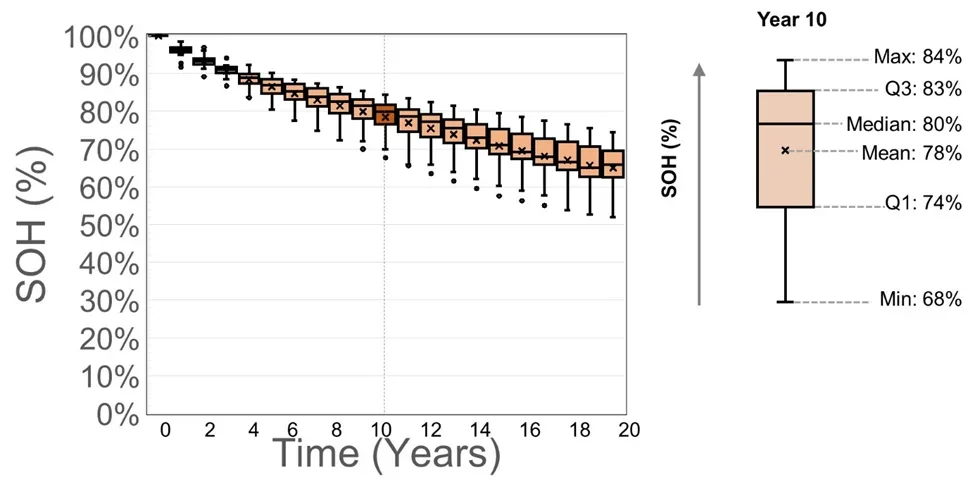
Energy Storage News: BESS performance guarantees are essential and ubiquitous, yet can be challenging to navigate, writes Intertek CEA Senior Energy Storage Engineer Yilin Huang.
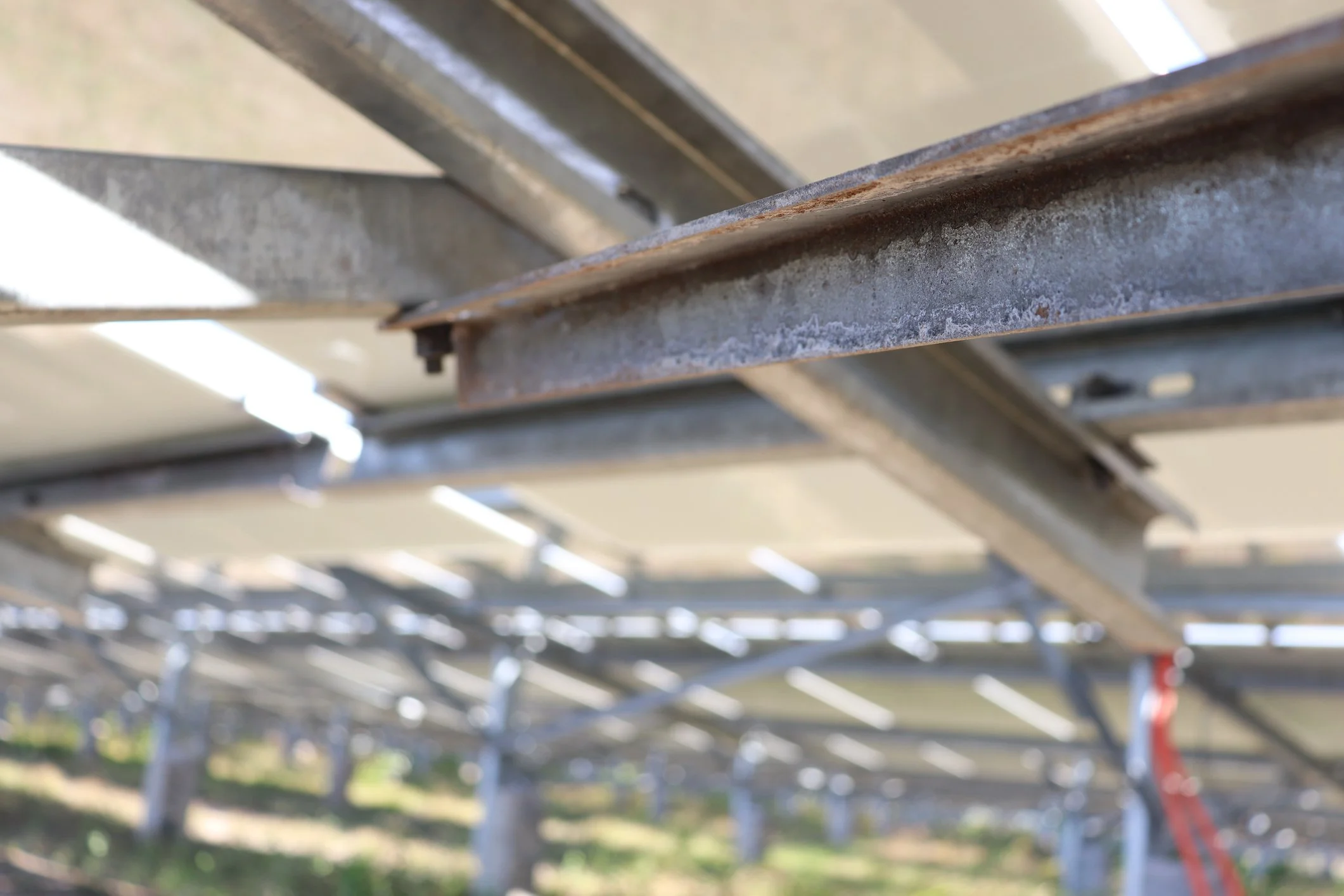
pv magazine: Over a 30-year asset life, corrosion can escalate into a structural, electrical, and fire safety risk that raises O&M costs, weakens resilience to extreme events, and can ultimately lead to premature decommissioning or full structural replacement, as advised by Intertek CEA’s Nicholas Hudson and Ankil Sanghvi.
PV Tech: Paul Wormser, Senior Vice President of Technology at Intertek CEA, outlines how ITC eligibility now hinges on traceability, documentation and verification. As rules tighten under H.R. 1, procurement must address counterparty risk, not just module performance, to secure tax equity confidence.
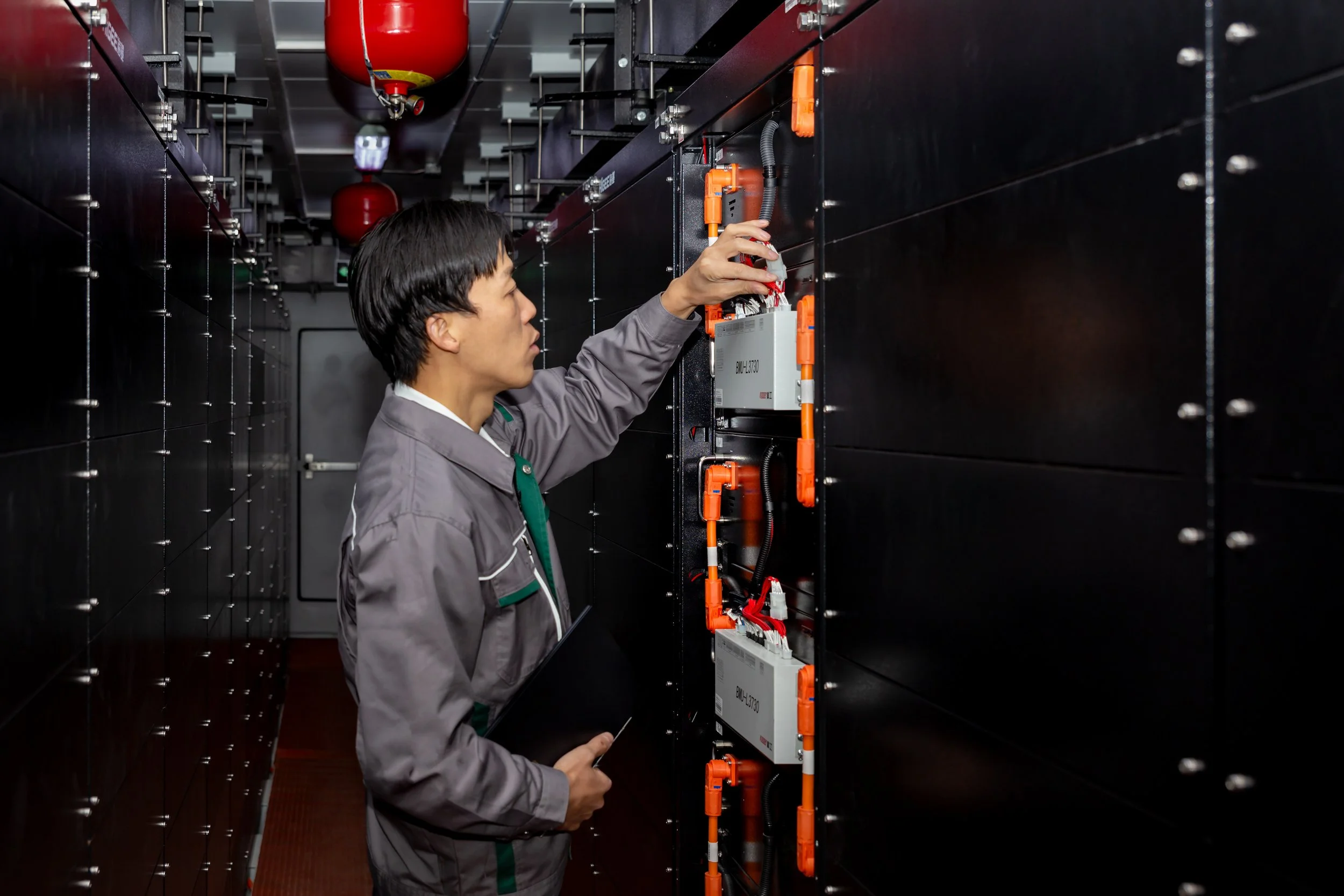
Energy Storage News: BESS safety issues become all too visible when it’s already too late, but a considered approach through the full lifecycle can mitigate these and many other risks, writes Sunny Rai from Intertek.
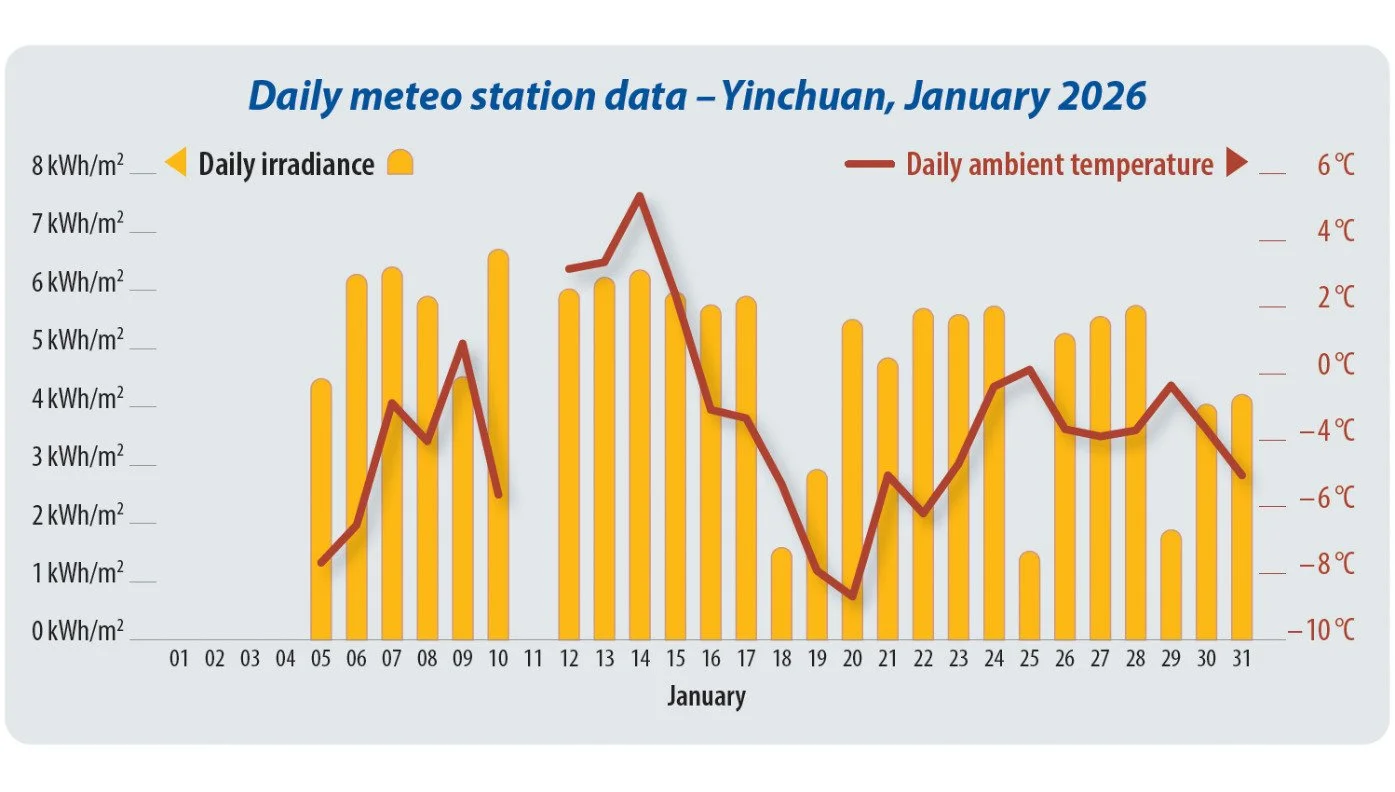
George Touloupas and Huatian Xu of Intertek CEA analyze the January 2026 results from the pv magazine test outdoor installations in Yinchuan, China, and Dammam, Saudi Arabia.
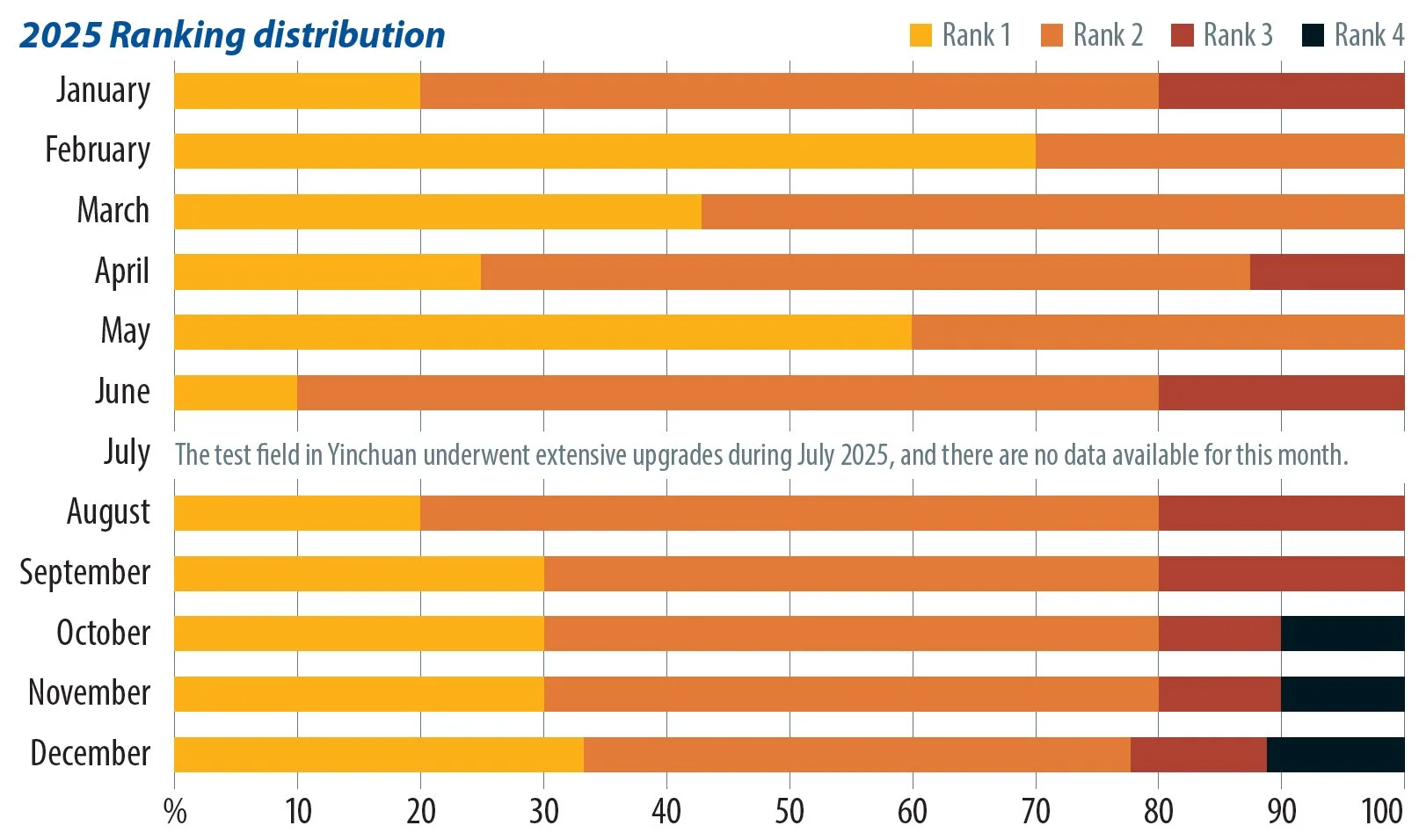
George Touloupas and Huatian Xu of Intertek CEA analyze the performance of 10 PV module samples installed at the Yinchuan, China test field, which had been operating for nearly a year by December 2025. Their study examines how different degradation mechanisms affect long-term module performance and influence energy yield over time.
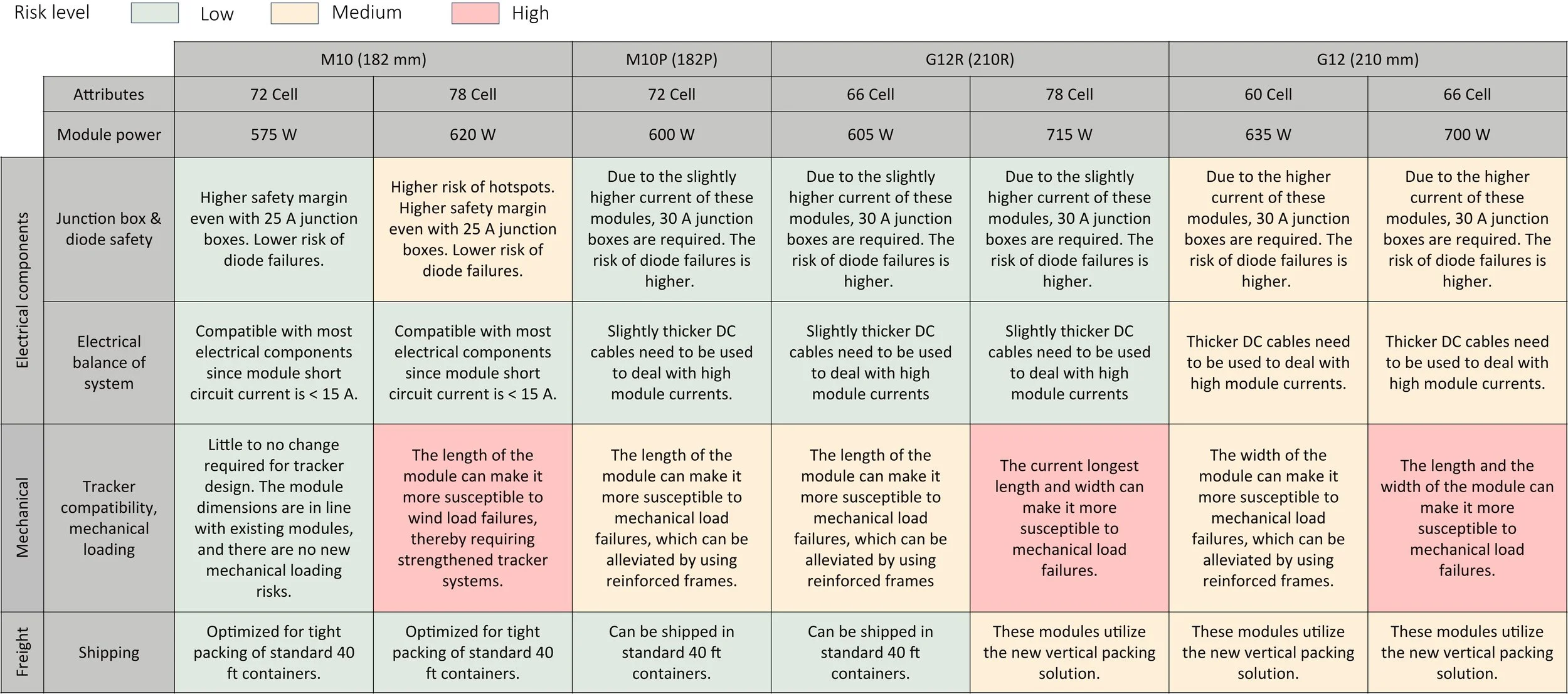
North American Clean Energy: In this article, Huatian Xu, the company’s Director of Technology and Quality, argues that higher-wattage PV modules can increase BOS costs by creating added electrical, mechanical, and shipping constraints. He says G12R offers a better balance of output and system compatibility, with fewer downstream tradeoffs.
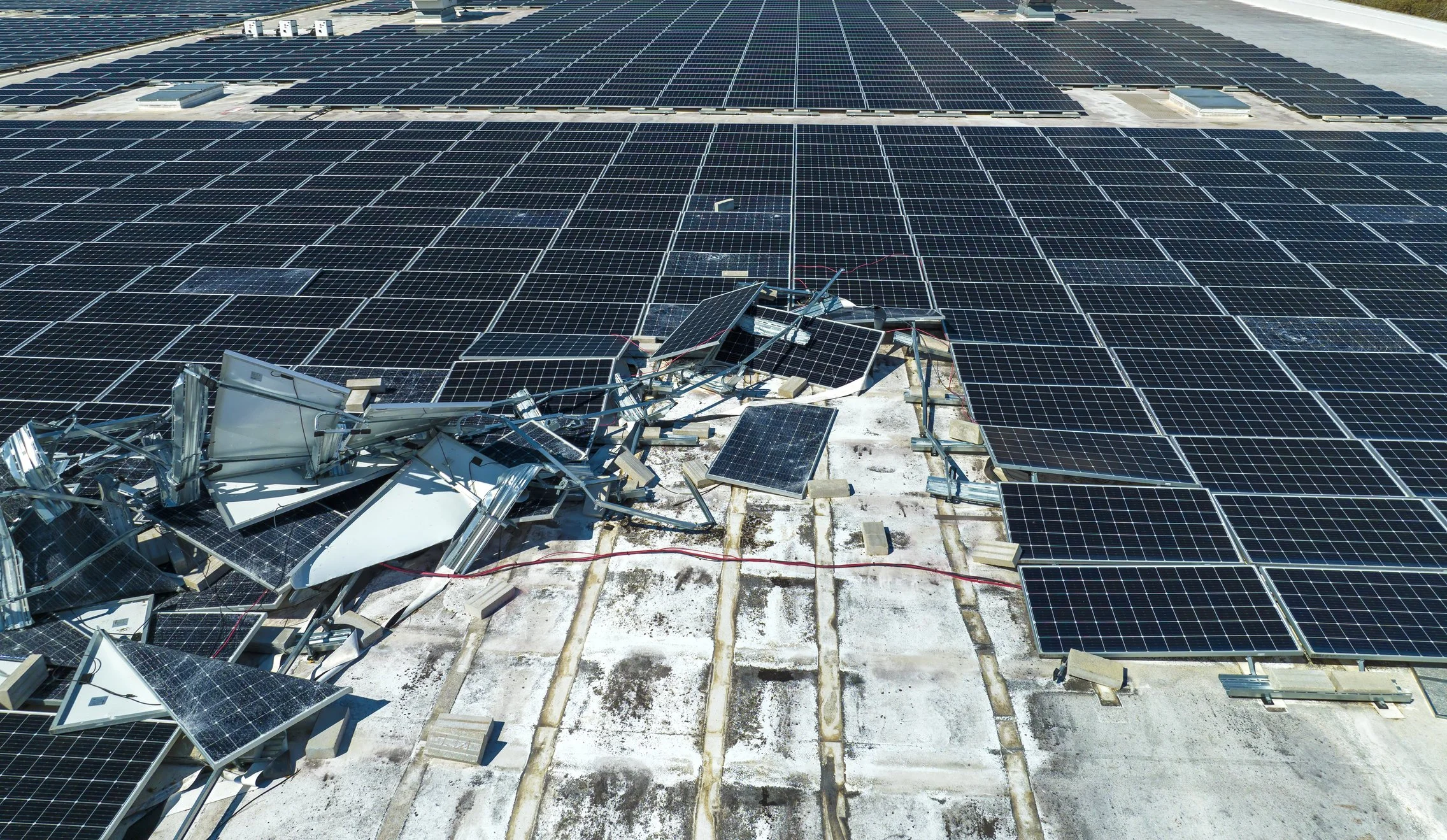
pv magazine: Scott Azevedo from Intertek CEA examines the growing challenge of how PV modules are handled at end of life and argues that by asking tougher questions, scrutinizing recycling practices, and directing volume to responsible recyclers, the solar industry can strengthen its long-term sustainability.
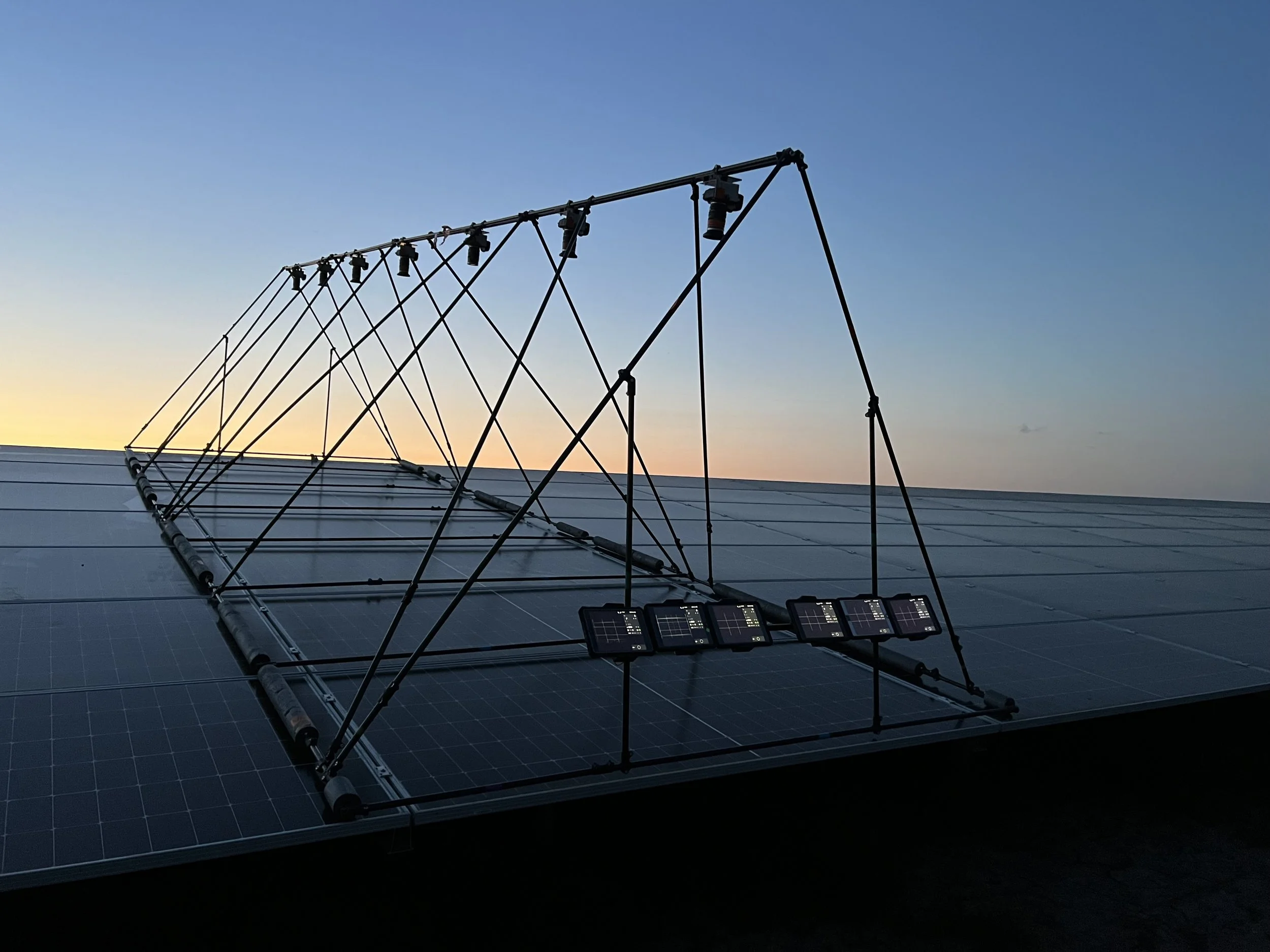
Intertek acquires industry-leading PV inspection provider AePVI. This high-speed technology acquisition will enable Intertek CEA to deliver superior customer service, increase productivity and enhance capacity

Energy Storage News: Intertek CEA’s battery energy storage expert, Aaron Marks, explains that building U.S. domestic energy storage manufacturing capacity will require more than simply limiting foreign participation.
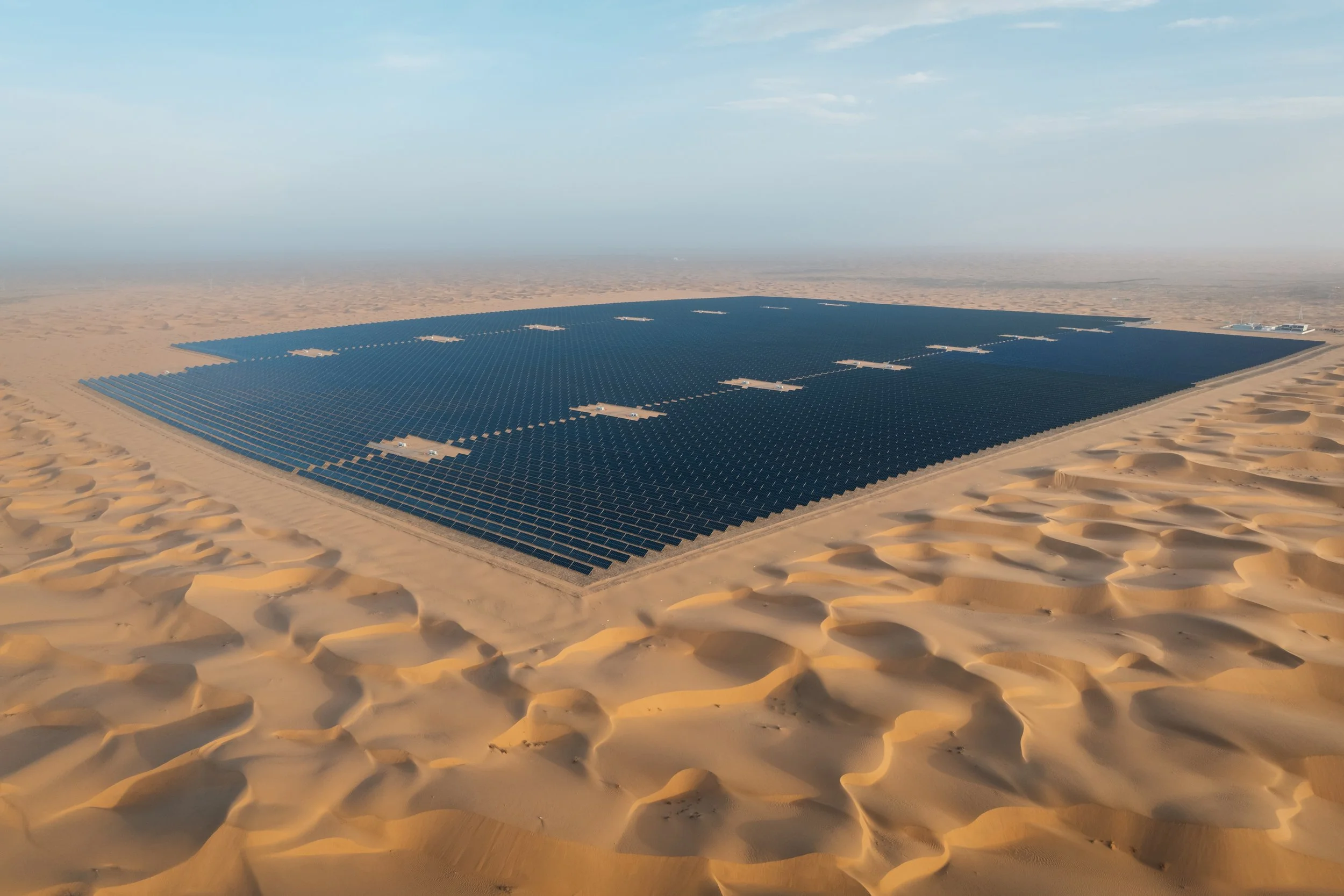
pv magazine: Jörg Althaus and Huatian Xu detail how the Middle East’s rapid solar expansion is shaped by both aggressive local-content industrial policies and the region’s uniquely harsh desert conditions.
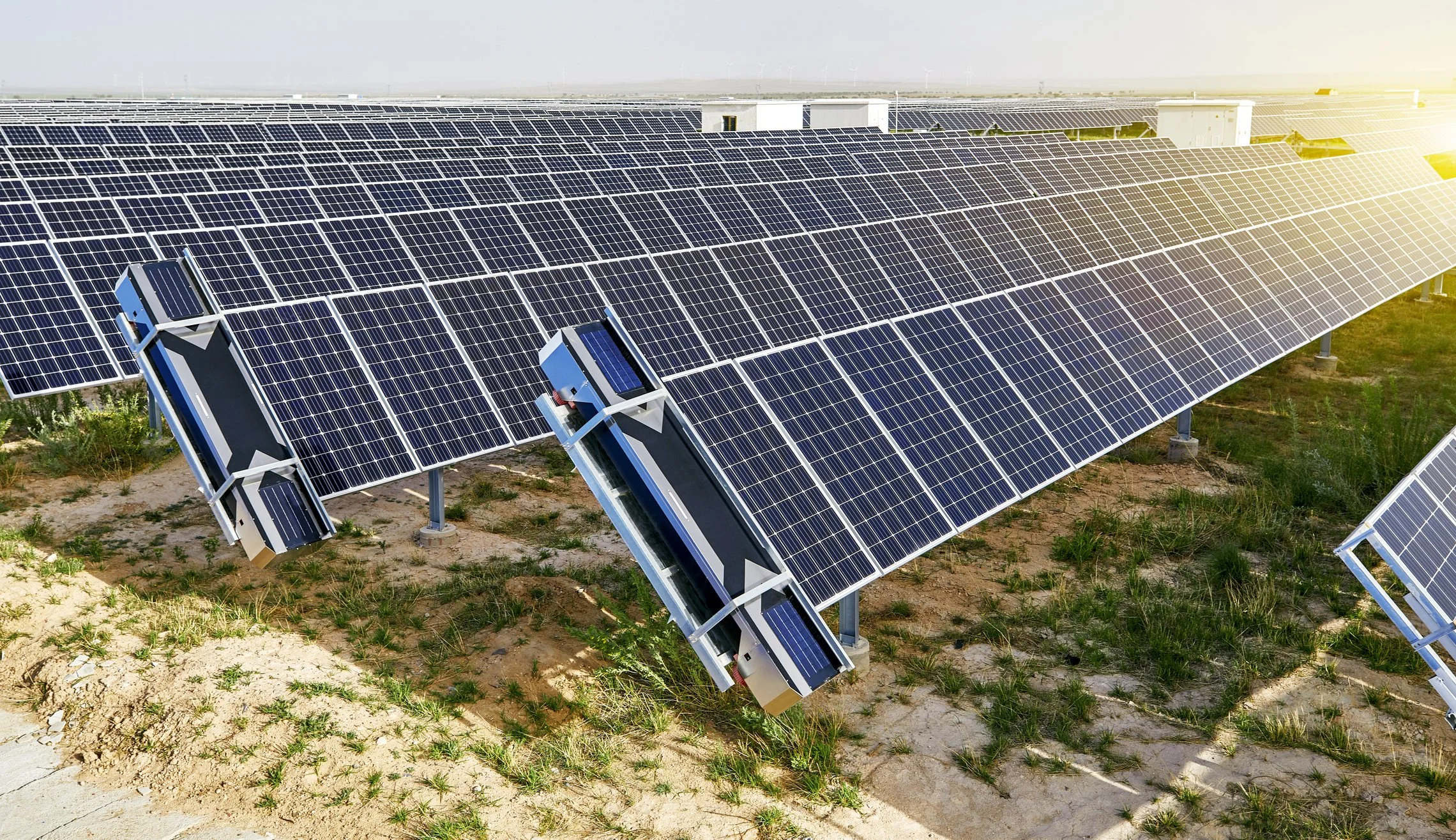
Case Study: Intertek CEA identified a hidden mismatch between the design documents and the factory-assembled tracker + cleaning robot system before it could impact the project. Catching it early helped the client avoid delays, rework, and long-term performance risk.

PV Tech: George Touloupas, Intertek CEA’s vice president of environmental, social and governance (ESG) and new services, outlines how rapidly expanding ESG regulations—spanning UFLPA, CSRD, CSDDD and emerging forced-labour laws—are pushing Europe’s solar sector toward unprecedented supply-chain transparency.

pv magazine: Jeff Zwijack, Intertek CEA’s Senior Manager for Energy Storage, explains how tariffs are driving a shift to U.S. battery integration. He notes that while local assembly scales quickly, it introduces human variability requiring strict oversight.

Daniel Finn-Foley of Intertek CEA discusses how lithium-ion batteries have rapidly reshaped the U.S. power sector, growing from about 1 GWh of installations in 2020 to more than 30 GWh by 2024. He warns that new tariffs and FEOC restrictions are straining supply chains, making early procurement crucial as compliant domestic capacity tightens.

pv magazine: George Touloupas, vice president ESG and New Services at Intertek CEA, outlines the growing environmental, social, and governance (ESG) obligations facing the solar and energy storage industries as global renewable deployment accelerates.
Clean Energy Associates becomes Intertek CEA, further solidifying the integration of Intertek’s solar and energy storage businesses.

PV Tech: Joerg Althaus, Intertek CEA’s Director of Engineering Services and Quality Assurance, warns that racking complexity, corrosion, evolving supply chains, and rising glass breakage risks pose growing challenges to solar PV projects.

Energy Storage News: Jeff Zwijack highlights how most quality issues in battery energy storage systems emerge during final integration rather than cell production, with defects like faulty fire suppression, poor thermal management, and enclosure weaknesses frequently slipping through.
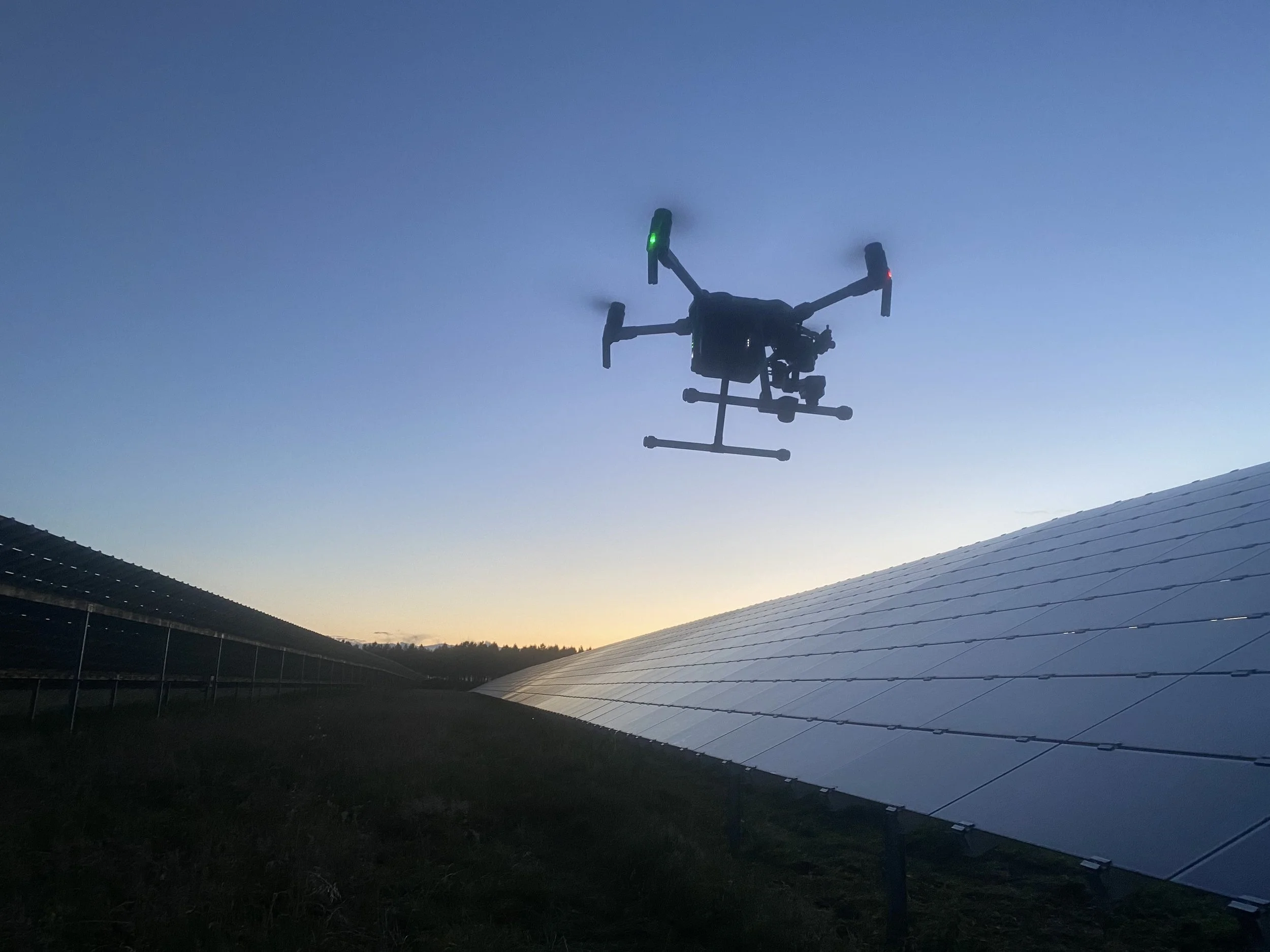
pv magazine: Jörg Althaus of Intertek CEA and Andreas Fladung of Aerial PV Inspection highlight how electroluminescence (EL) testing — including drone-based approaches — can uncover microcracks, early degradation, and installation-related damage.
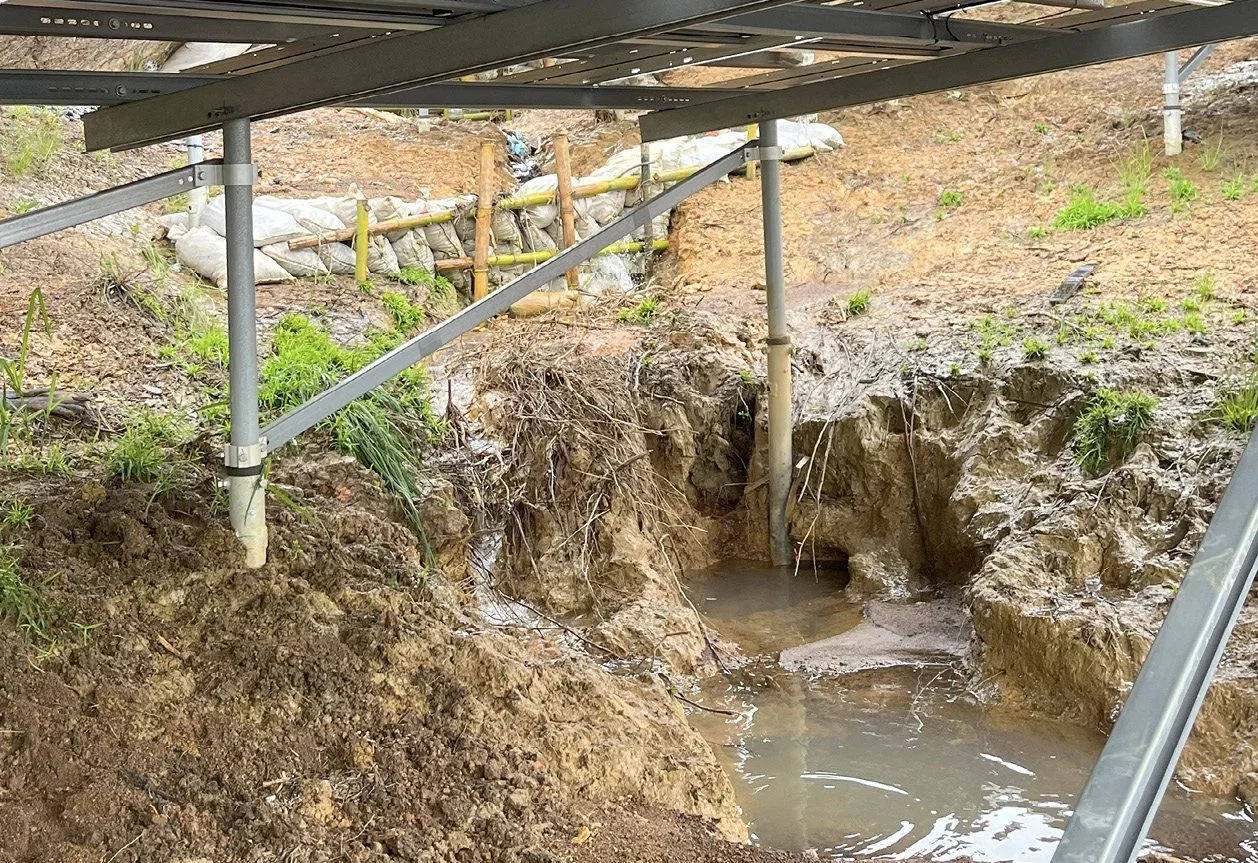
pv magazine: Intertek CEA's engineering experts highlight how overlooked site-specific challenges such as poor soil conditions, flash floods, complex terrain, and extreme wind loading in Southeast Asia can derail solar projects if not addressed early through rigorous engineering and civil due diligence.
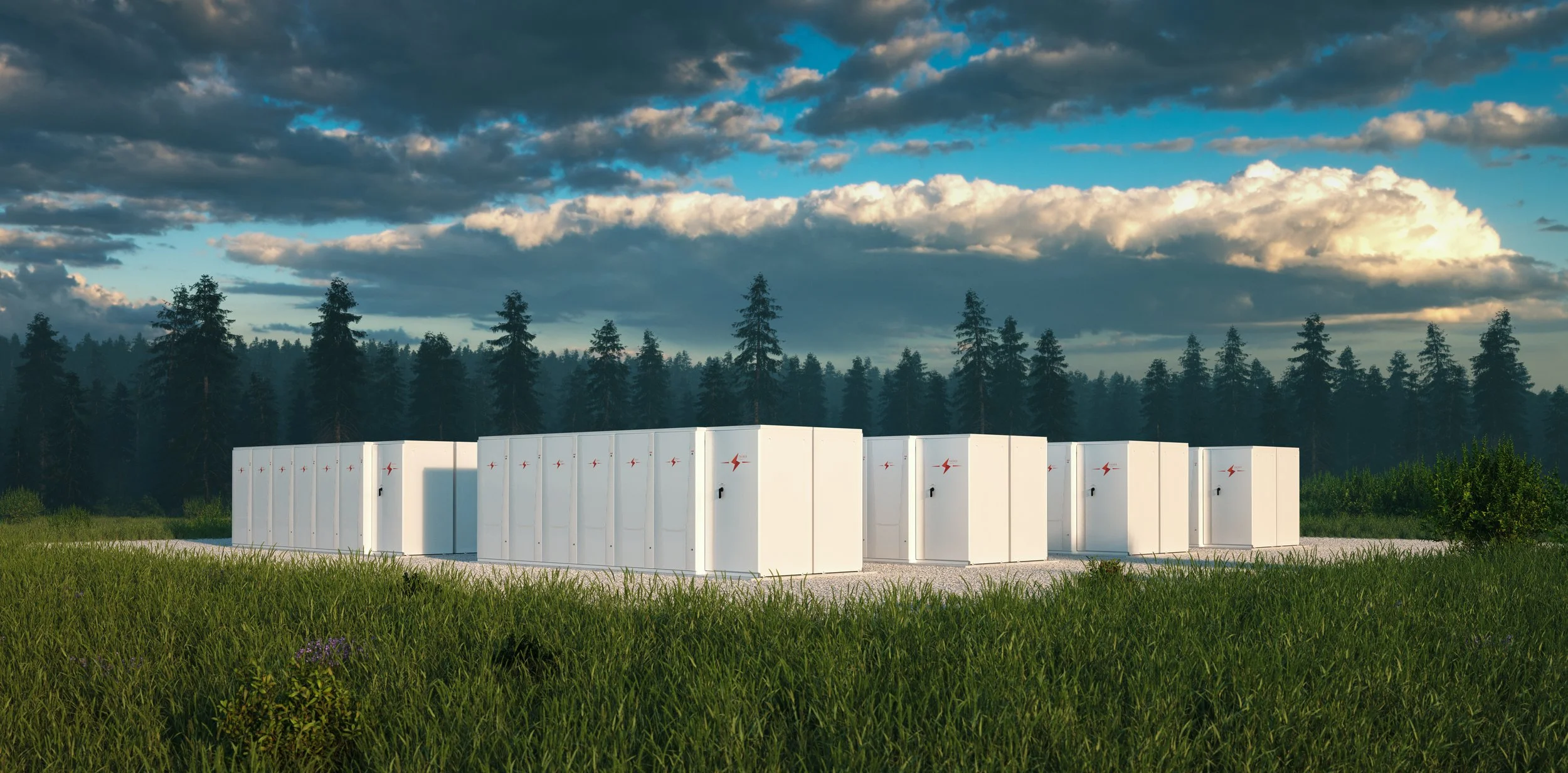
MESIA's Report 2025: Jeff Zwijack, Associate Director of Energy Storage at Intertek CEA, explains that most defects in battery energy storage systems arise during system-level integration rather than cell or module production.