Services > Field Inspection > Commissioning Field Testing
Commissioning Field Testing
Request a commissioning field testing plan


Set a clear baseline before handover
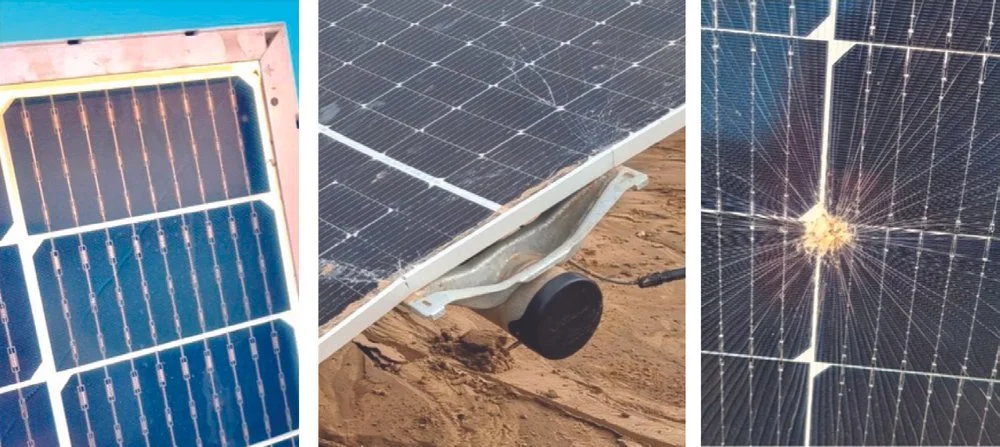
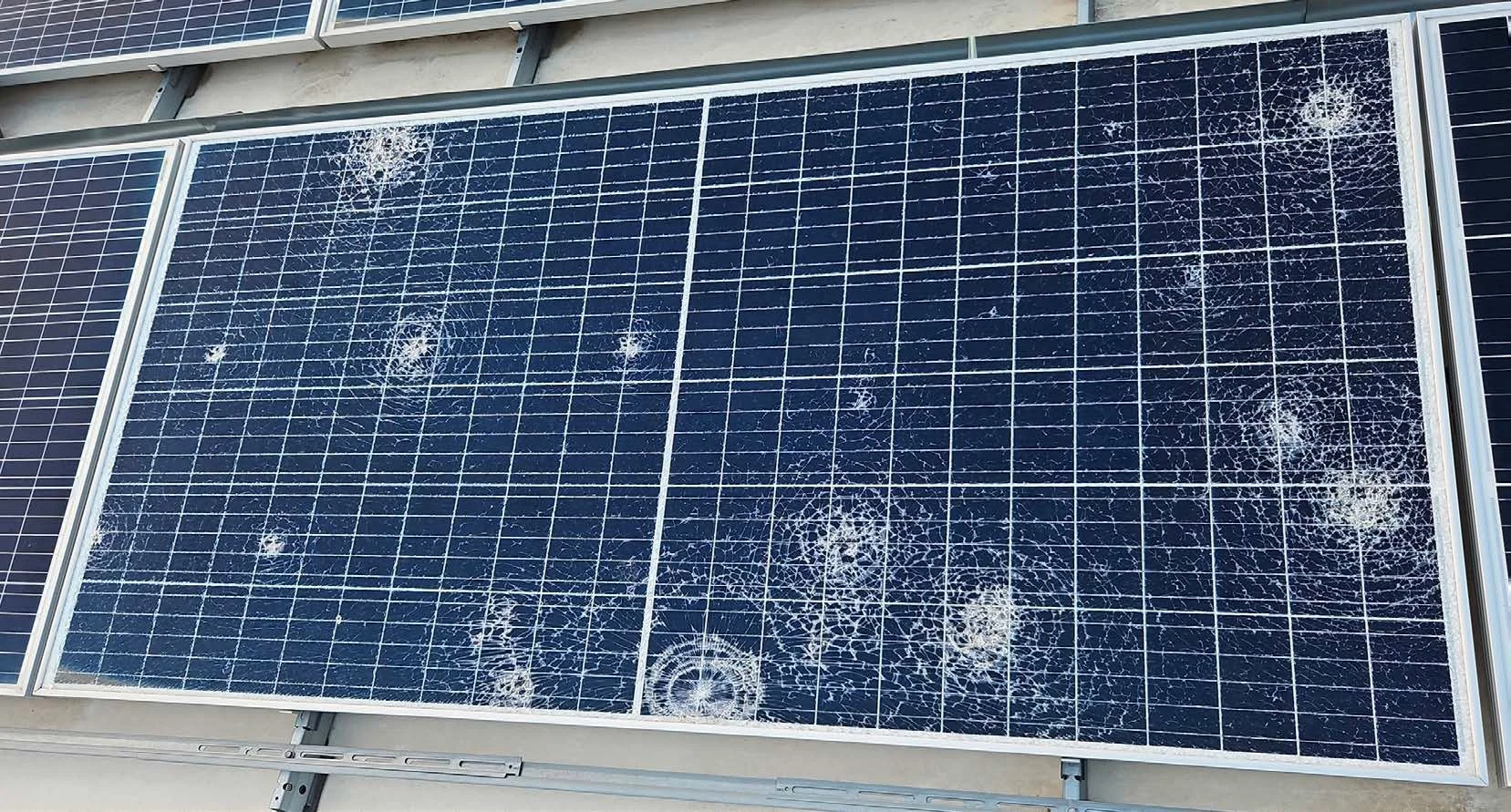
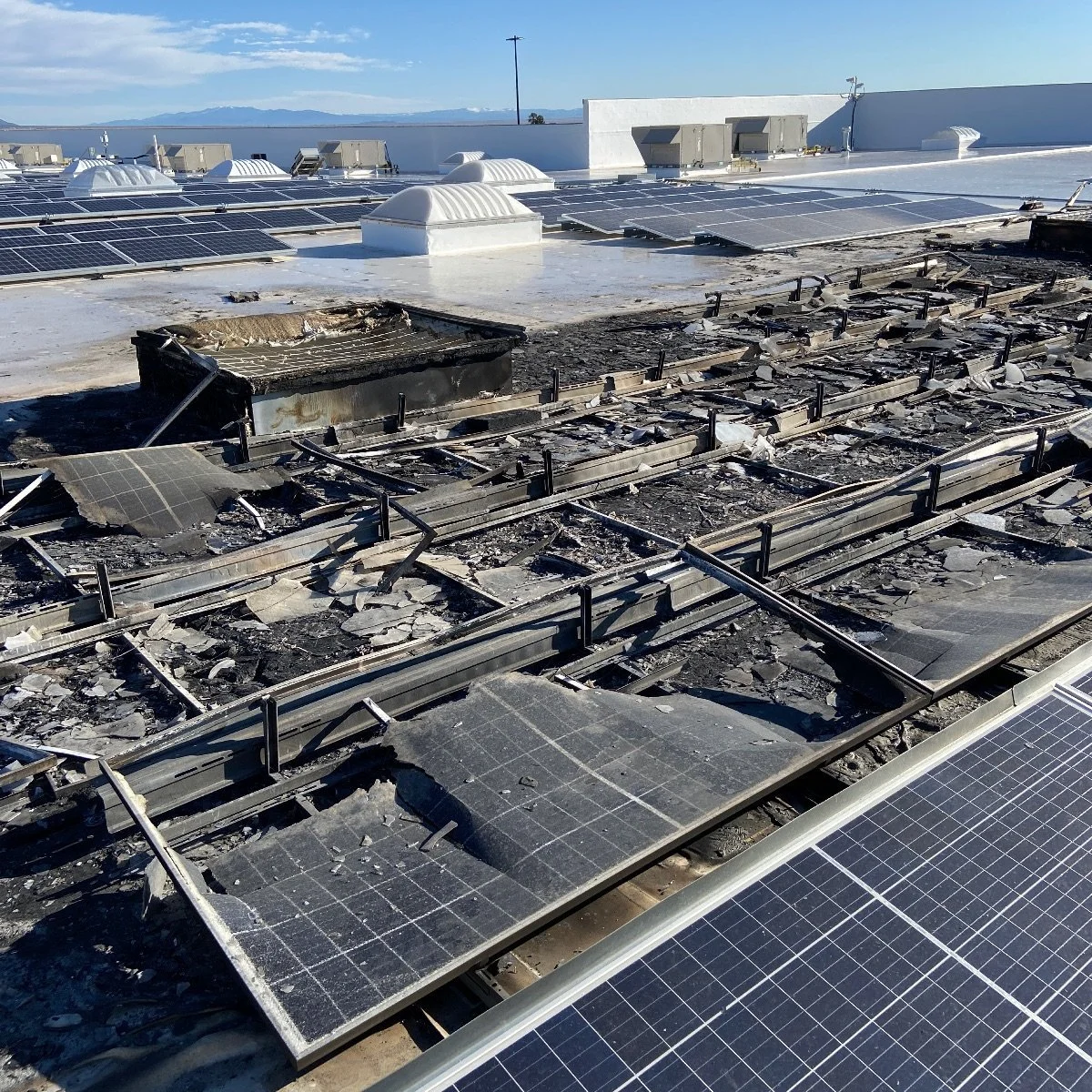
A solar PV system can look ready for operation while still carrying hidden module damage, affected strings, installation issues, thermal anomalies, or early electrical faults.
Commissioning is the right moment to document the system’s as-installed condition. A commissioning inspection helps you understand what the site looks like at the start of operation, so future issues can be compared against a clear reference point.
This can support handover, warranty discussions, future inspections, underperformance investigations, post-event assessments, and long-term asset management.
When this inspection helps
The solar PV system is being prepared for handover.
You need to document module, string, and system condition before operation.
You want an as-installed baseline for future inspections or warranty discussions.
You need to check whether transport, handling, or installation caused damage.
Factory or pre-installation EL images are available and you want to compare them with field results.
You want to define reference strings or rows for repeat inspections later.
You need a structured field testing plan that can be explained to owners, EPCs, insurers, or technical advisors.
What a commissioning baseline can include
A commissioning baseline does not always mean testing every module at the highest level of detail. The scope should match the decision you need to support.
In practice, the baseline can include two complementary approaches:
Reference Group / Golden Block
A defined area of the plant can be selected as a long-term reference group. This area can be re-tested in future inspections to help track changes in module condition and system performance over time.
Golden Rows
Where pre-installation EL images are available, selected modules can be placed into defined reference strings or rows. These Golden Rows provide a direct comparison between pre-installation and post-installation condition.
Random Sampling Campaign
A random sample across the wider site can help identify whether transport, handling, or installation introduced damage outside the reference area.
Together, these approaches give the project team both a stable long-term reference and a broader view of installation quality across the site.
How we decide the right scope
The final inspection plan depends on what the commissioning evidence needs to support.
What do you need to document at handover?
If the goal is a general handover record, the scope may focus on broad screening, defined sampling, and clear reporting. If the goal is to support warranty readiness, long-term monitoring, or future claims, the inspection may need more detailed module-level and string-level documentation.
Are factory or pre-installation records available?
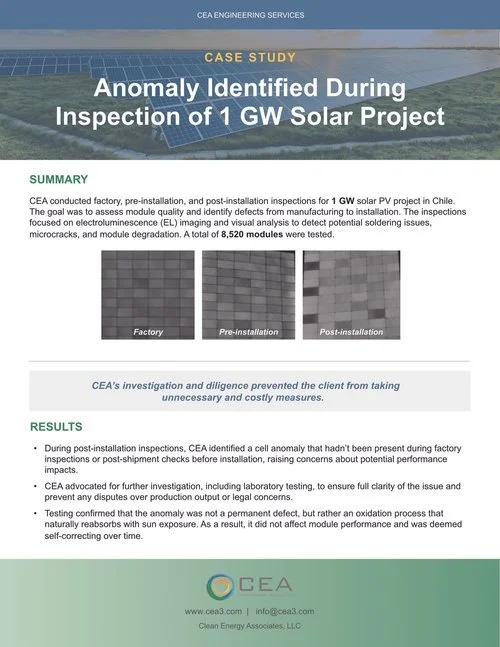
If factory or pre-installation EL images are available, field EL images can provide a useful comparison point. This can help separate manufacturing condition from transport, handling, installation, or early field damage.
Should the baseline include a reference group?
A reference group, or Golden Block, gives the owner a stable area that can be measured again later. This is useful when the asset team wants a long-term PV health reference for future degradation tracking, warranty discussions, post-event assessments, or performance investigations.
Should selected modules be placed into Golden Rows?
If modules have already been tested before installation, selected modules can be installed in defined reference strings or rows. This creates a clearer before-and-after comparison from pre-installation condition to as-installed condition.
Is random sampling needed across the wider site?
A random sampling campaign can help check whether installation-related damage appears outside the reference group. This is useful when the owner wants a broader view of installation quality without inspecting the full site at high resolution.
Is broad thermal screening needed?
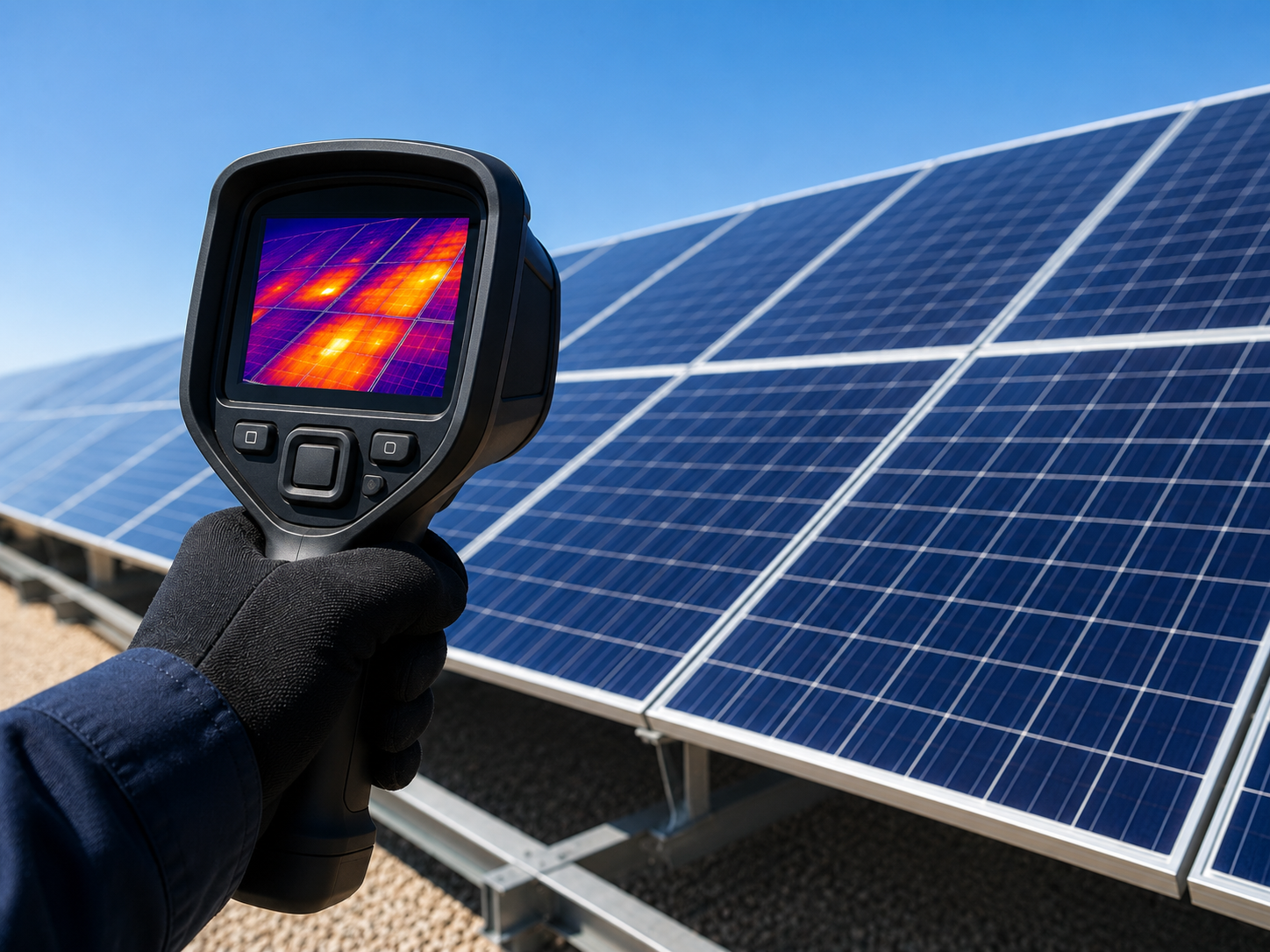
IR thermography can help identify hotspots, affected strings, and thermal anomalies across the site during commissioning. This can guide targeted follow-up with EL, IV curve tracing, LBPD testing, or other electrical checks.
Is electrical behavior part of the commissioning question?
IV curve tracing, LBPD testing, and BOS / electrical field testing can help when the concern is not only module condition, but how strings, circuits, or field components behave electrically.
How should findings be mapped?
Before fieldwork starts, it helps to agree how findings will be mapped: by serial number, string, table, inverter block, GPS location, or the site’s own naming conventions.
What we may test
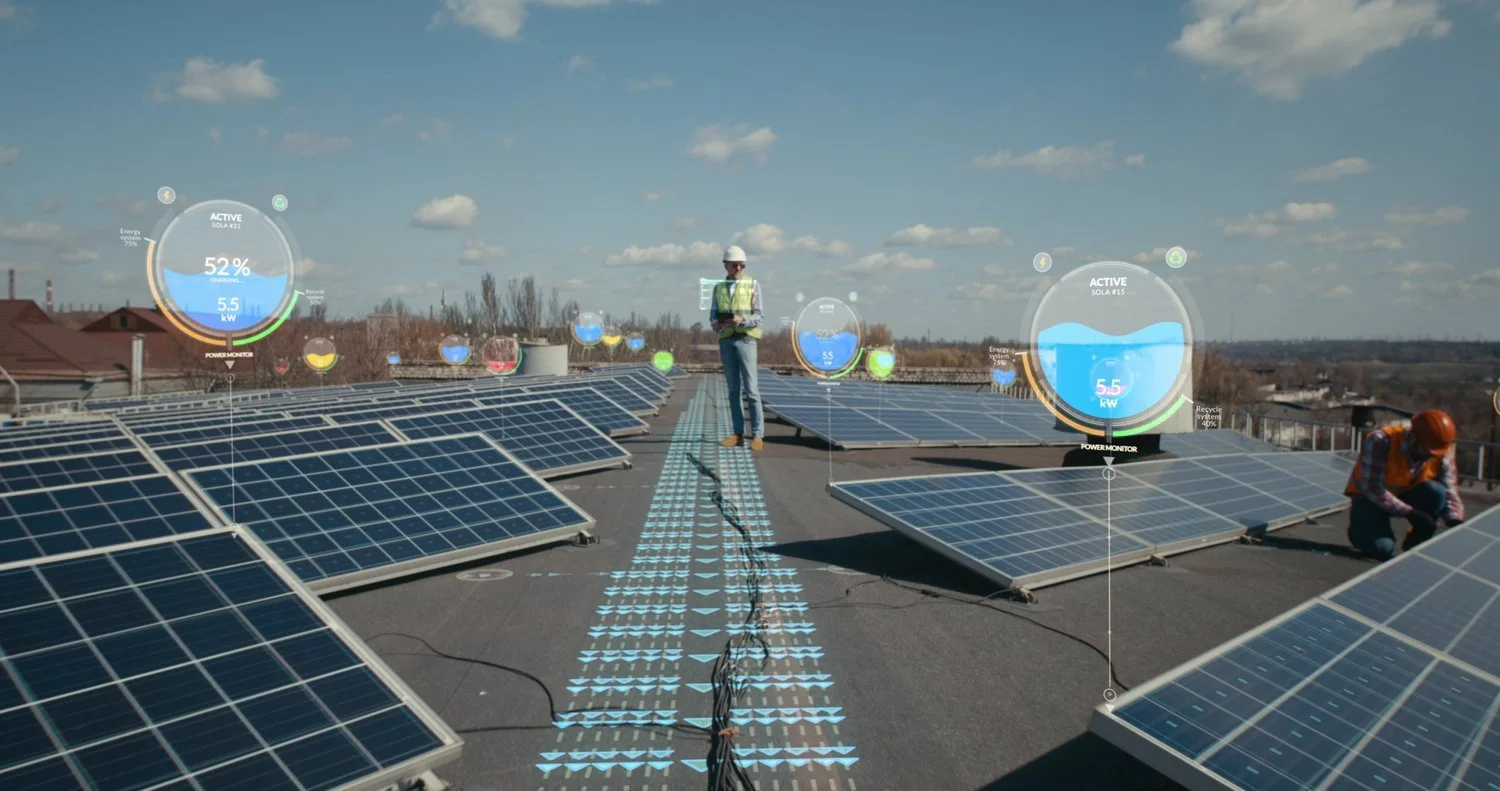
The right commissioning method depends on the baseline you need to create, the site layout, available factory or pre-installation records, and how the results will be used after handover. Intertek CEA may combine EL testing, infrared thermography, IV curve tracing, visual inspection, LBPD testing, and BOS / electrical field testing.
| Method | What it helps identify | When it is useful |
|---|---|---|
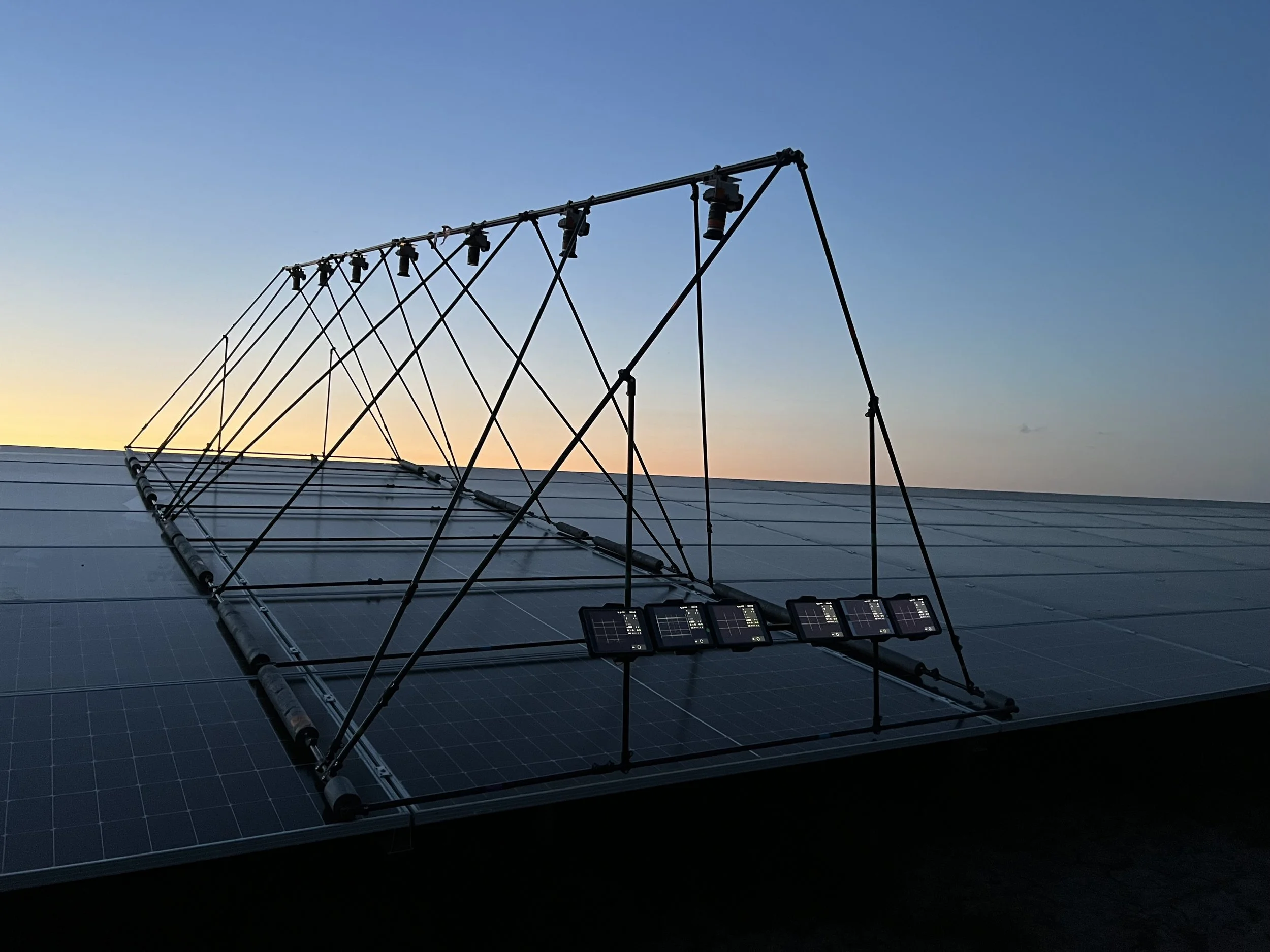
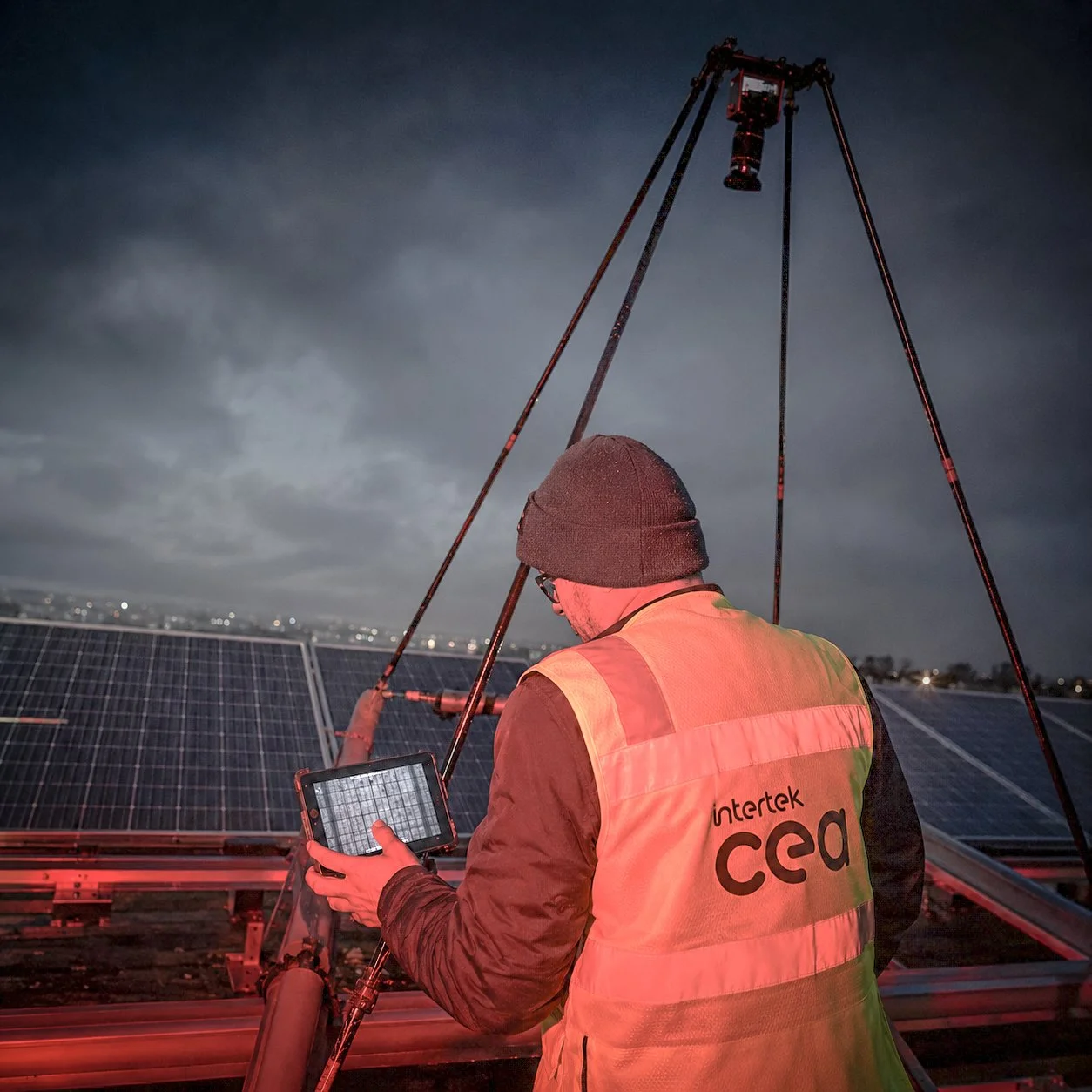
| Electroluminescence (EL) testing | Hidden cell cracks, inactive cell areas, internal module damage, interconnect issues, and cell-level defects that may not be visible from the outside. | Useful when high-detail module evidence is needed, especially for as-installed baseline records, Golden Rows, or factory-to-field comparison. |
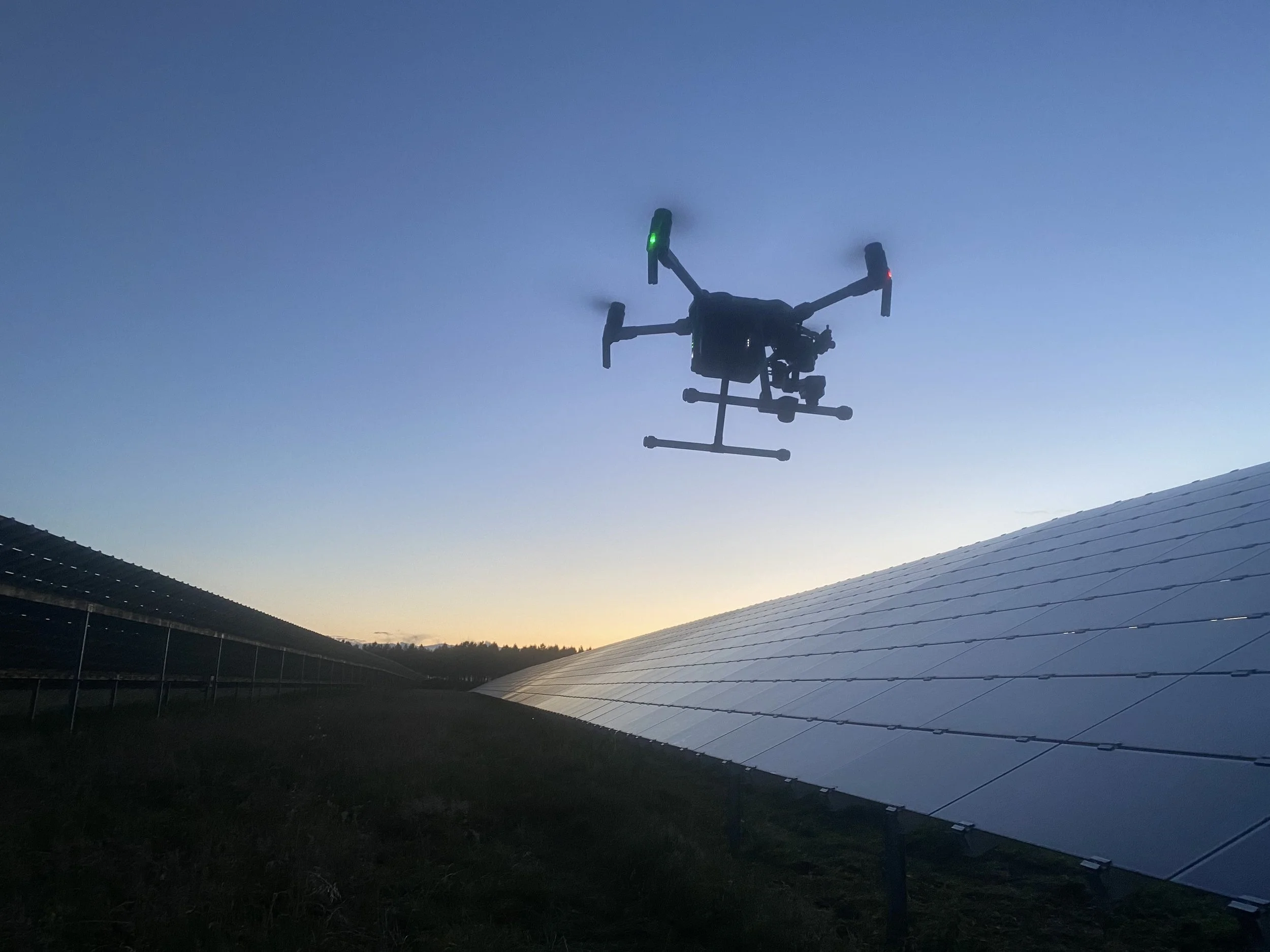
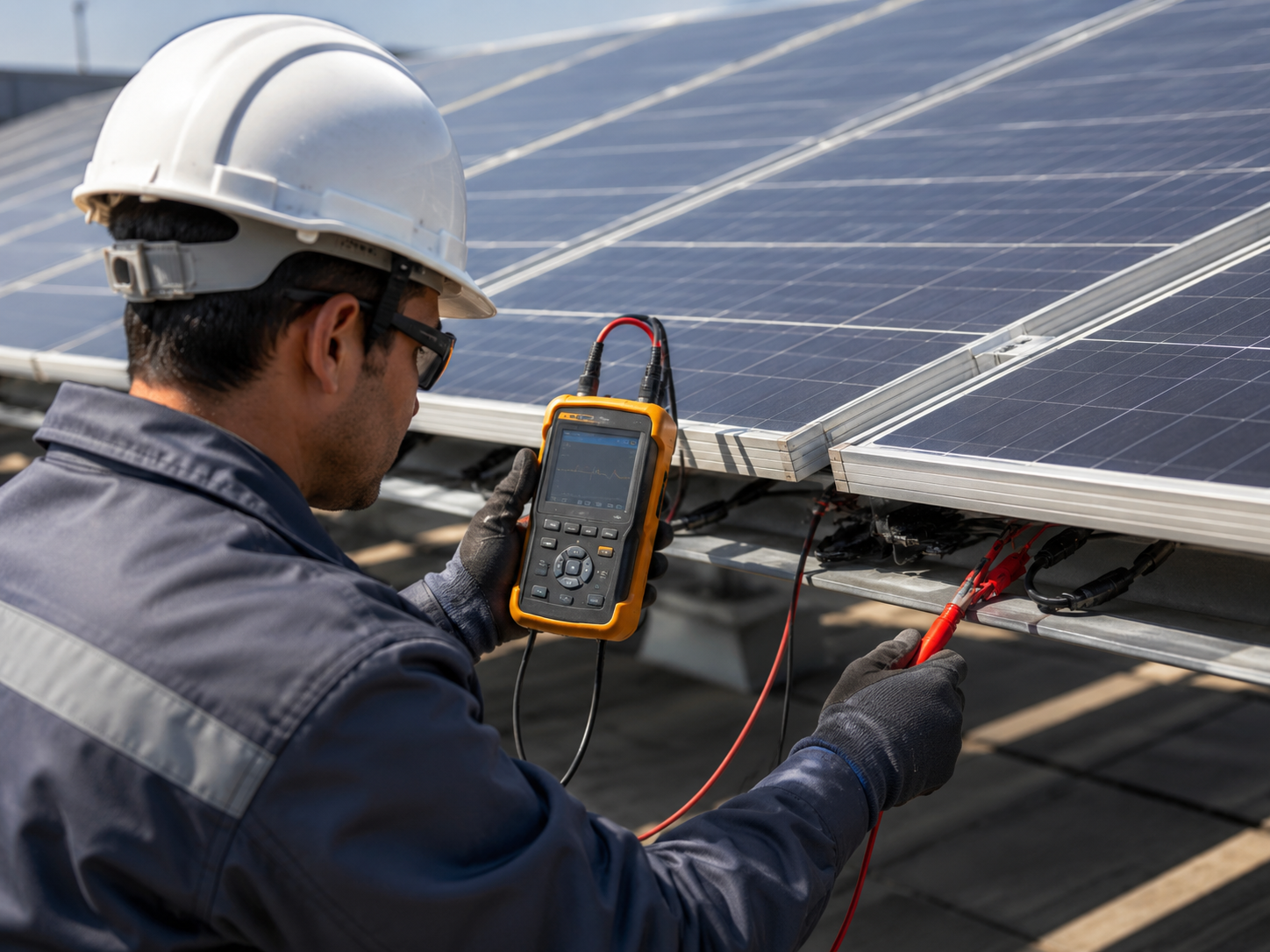
| Infrared (IR) thermography | Hotspots, thermal anomalies, affected modules or strings, and operating issues that appear under suitable field conditions. | Useful for broad screening during commissioning and for locating areas that may need closer follow-up. |
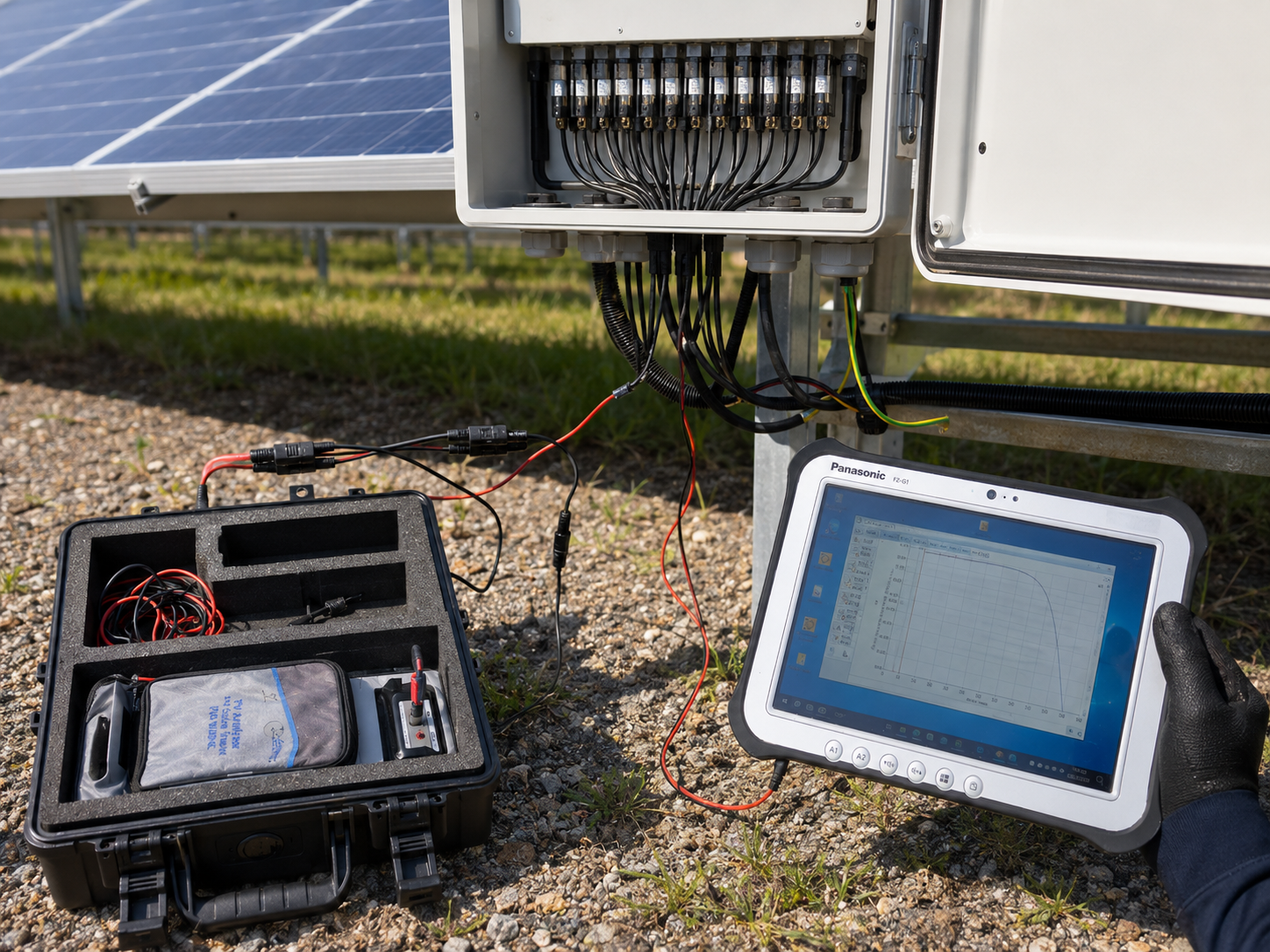
| IV curve tracing | Electrical performance behavior of selected modules, strings, or sample groups. | Useful when the commissioning baseline needs performance data that can be compared against future measurements. |
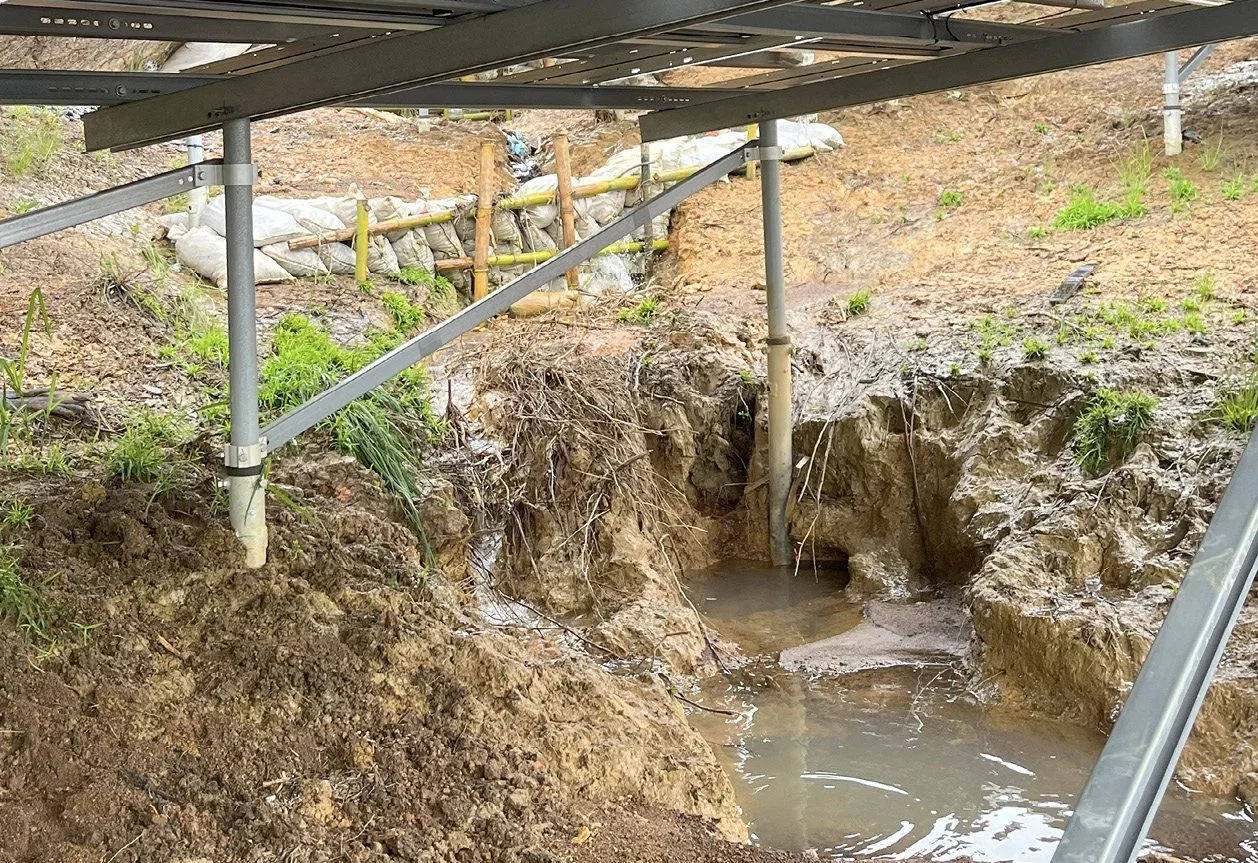
| Visual inspection | Visible module damage, glass breakage, frame damage, connector issues, wiring concerns, installation issues, and site-level observations. | Useful as a first-level check and for documenting visible condition at handover. |
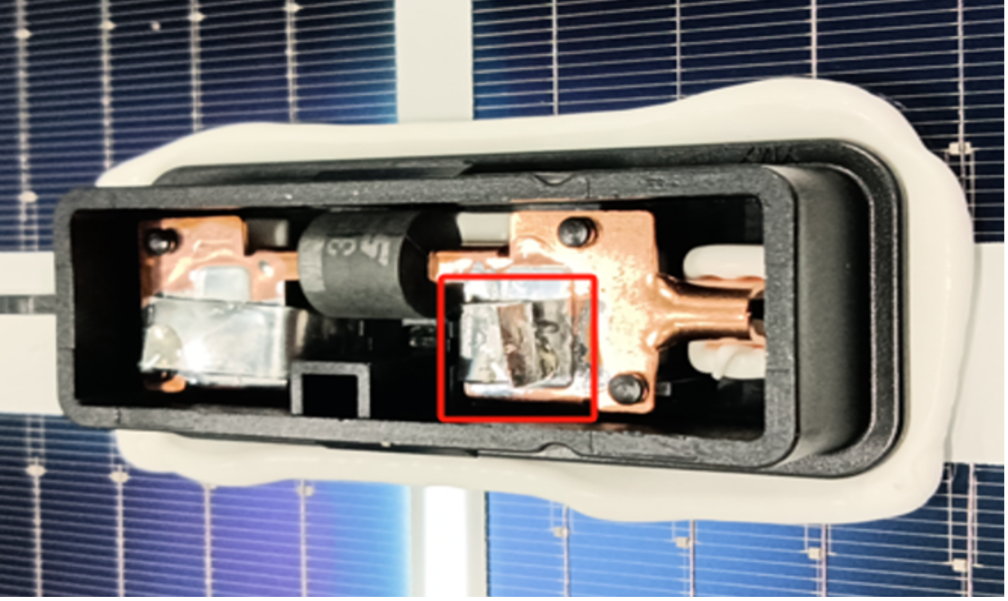
| Lost Bypass Diode (LBPD) testing | Lost or defective bypass diode behavior that can remain hidden during routine inspection and may create hotspot risk under shading. | Useful when hidden bypass diode risk needs to be checked before the system enters long-term operation. |
| BOS / electrical field testing | Wiring, connector, combiner box, insulation, string-level, or other balance-of-system electrical concerns. | Useful when commissioning questions involve electrical safety, abnormal string behavior, or field hardware issues. |
The exact method mix depends on the commissioning objective, site access, available records, system status, and how the as-installed condition record will be used after handover.