Services > Field Testing > Claim Support & Event Response
Claim Support & Event Response
Have a Question or Need Assistance?
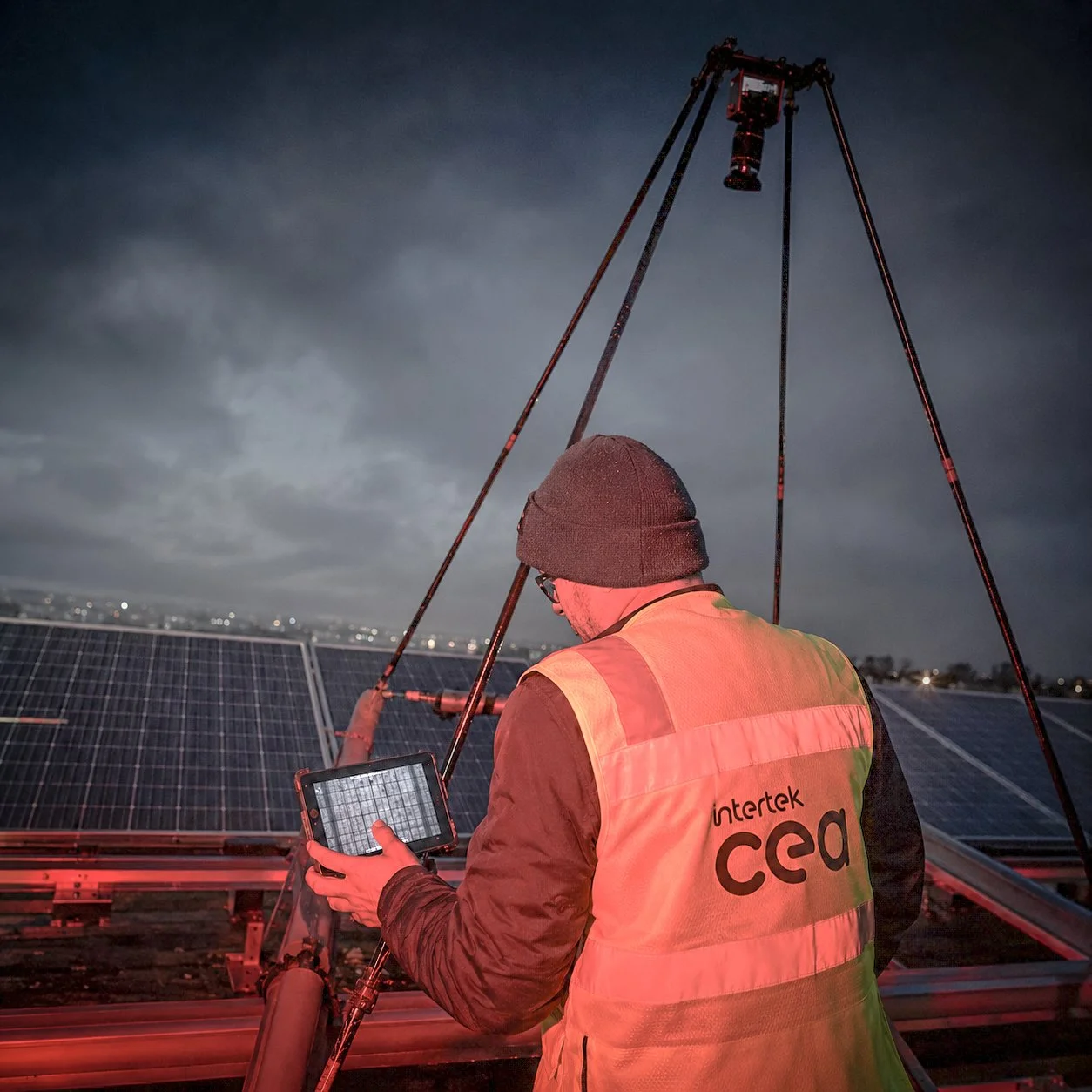
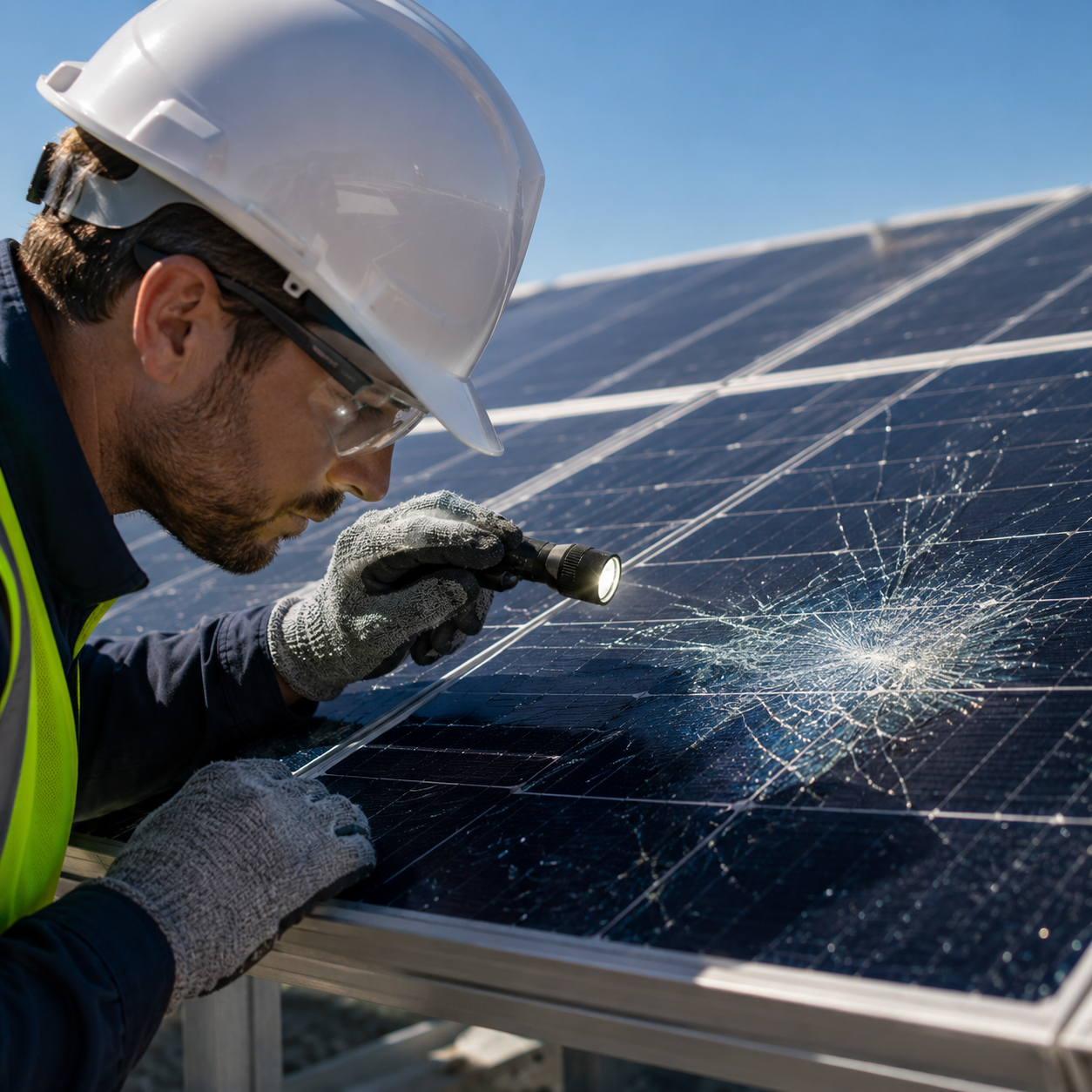
Document damage after weather events, incidents, or technical disputes
When something goes wrong on a solar PV site, the first questions are usually simple: What was damaged? Where is it located? How widespread is it? And what evidence is needed for the next step?
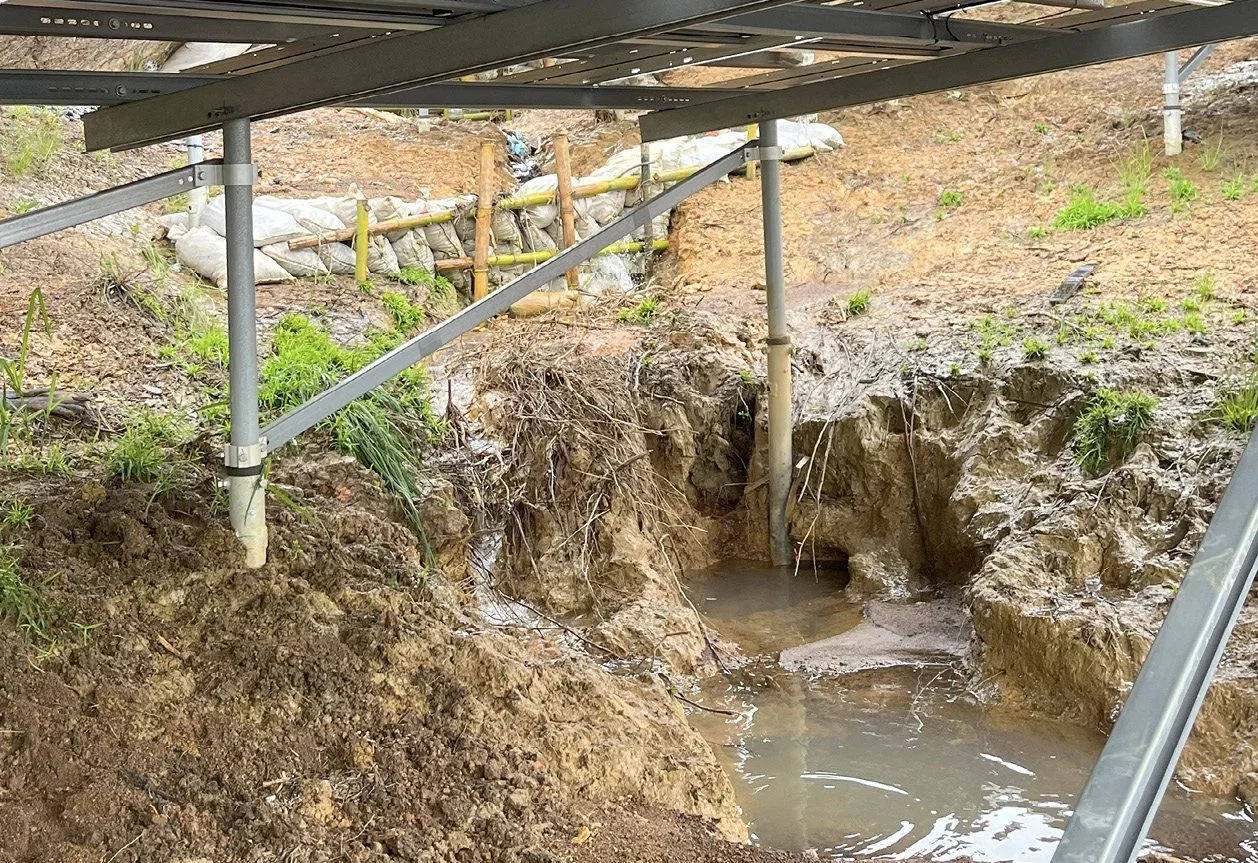
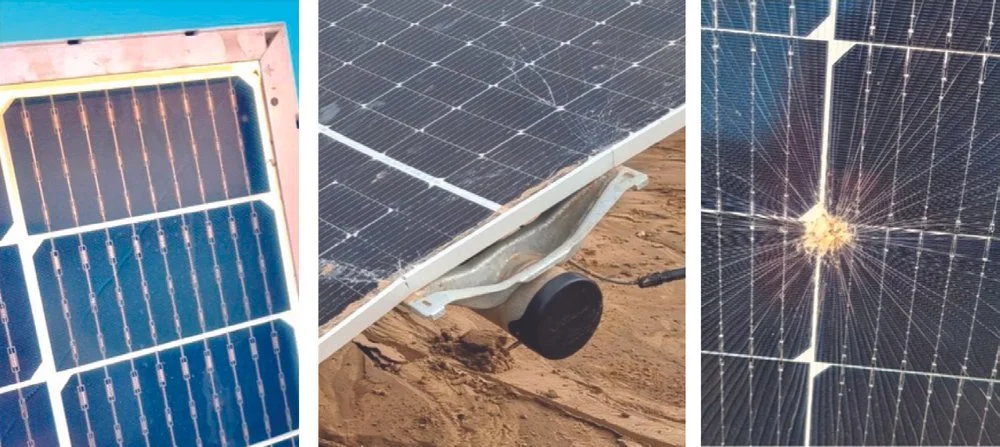
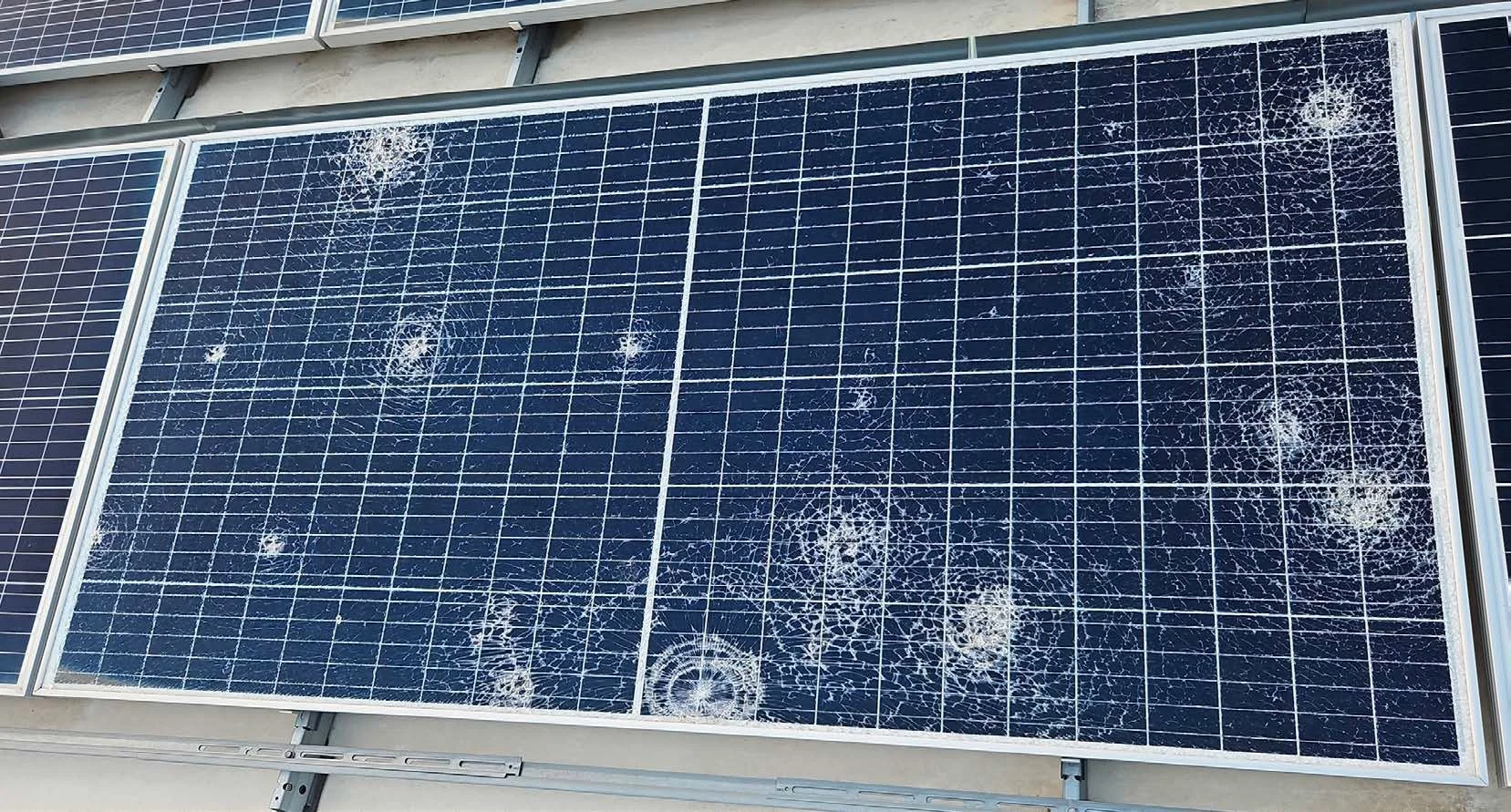
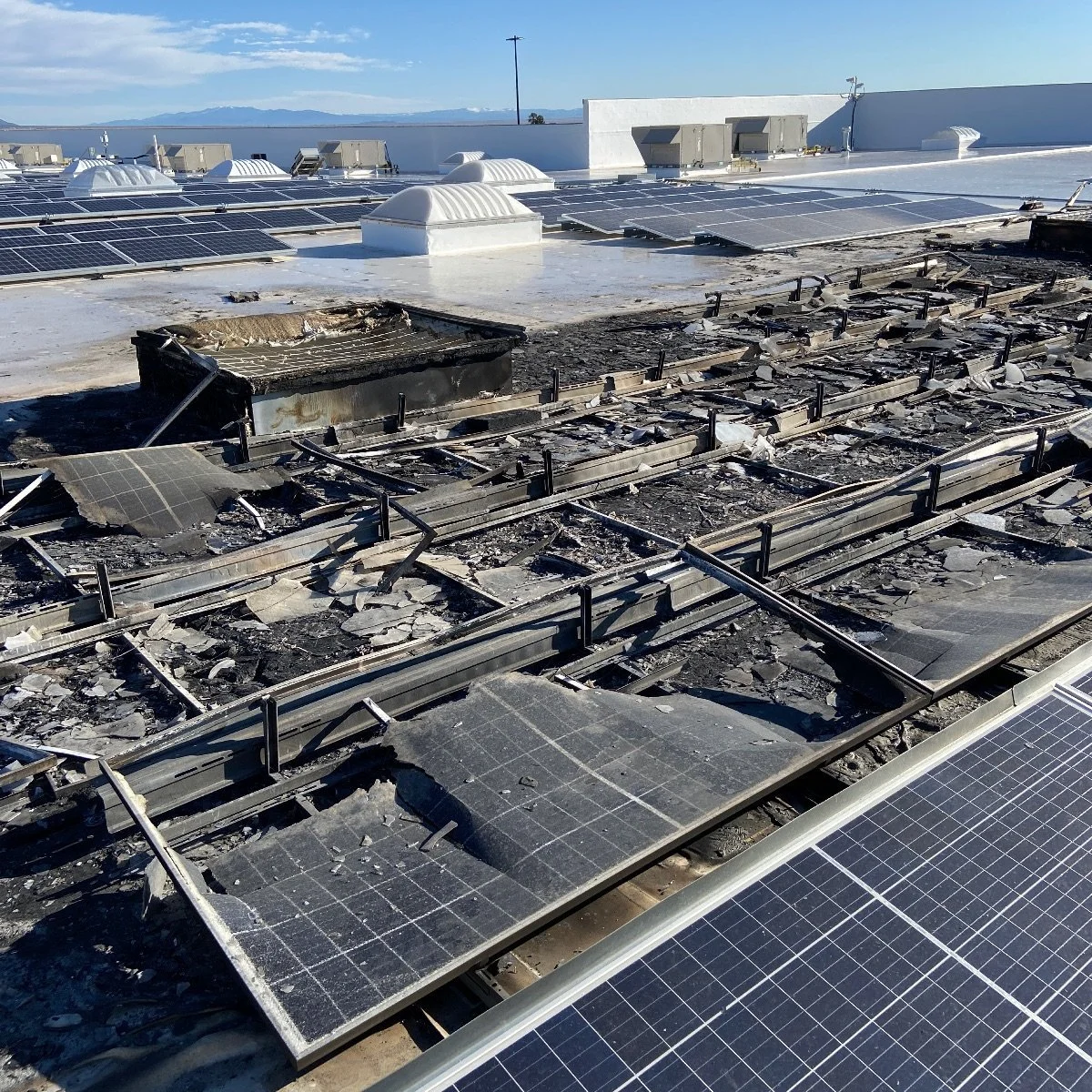
The answer is not always visible from the outside. Hail, storms, lightning, fire, maintenance activity, cleaning equipment, vegetation management, or installation-related stress can damage modules and field components in different ways. Some damage is obvious. Other issues, such as hidden cell cracks, thermal anomalies, moisture-related effects, or electrical faults, may require targeted field testing.
Claim support and event response testing helps you document the condition of the affected PV system and produce field evidence that can support insurance discussions, warranty claims, repair planning, or root-cause investigation.
When this inspection helps
The site was affected by hail, storm, lightning, fire, flooding, or windborne debris.
There was physical damage during maintenance, mowing, cleaning, or site work.
Modules look intact, but hidden cell or electrical damage is suspected.
Broken glass, cracked modules, or impact damage need to be documented.
Thermal anomalies or hotspot behavior appeared after an event.
Moisture ingress, encapsulant effects, or material-level damage may be relevant.
You need evidence for an insurer, supplier, EPC, O&M provider, or owner.
You need to map the extent of damage before deciding what to repair or replace.
How we decide the right scope
The final inspection plan depends on the event, the suspected damage pattern, and how the evidence will be used.
1. What happened?
Hail, storm, lightning, fire, cleaning damage, mowing damage, maintenance activity, or other site work can create different damage patterns. The inspection should match the event.
2. What needs to be proven?
The scope may need to confirm damage presence, map damage extent, classify defect types, support an insurance claim, support a warranty dispute, or guide replacement planning.
3. How broad is the affected area?
A major weather event may require broad screening across the affected area. A localized incident may only need targeted testing around specific strings, tables, inverter blocks, or visible damage zones.
4. What type of damage is suspected?
Cell cracks, hotspots, glass breakage, moisture ingress, connector damage, wiring issues, and BOS faults do not all show up in the same way. The method should follow the suspected damage mode.
5. What level of detail is required?
Some cases need fast site-wide mapping. Others need high-resolution EL images, visual documentation, UVF inspection, electrical checks, or focused glass breakage review.
6. Who will use the results?
The report may need to work for insurers, suppliers, EPCs, O&M providers, asset owners, or legal and technical reviewers. That affects how findings are classified, mapped, and documented.
What we may test
The right event response method depends on what happened, how broad the affected area is, and what evidence is needed for insurance, warranty, repair, or root-cause discussions. Intertek CEA may combine EL testing, infrared thermography, visual inspection, BOS / electrical field testing, UVF, and glass breakage inspection.
| Method | What it helps identify | When it is useful |
|---|---|---|
| Electroluminescence (EL) testing | Hidden cell cracks, inactive cell areas, internal module damage, interconnect issues, and cell-level defects that may not be visible from the outside. | Useful when damage may be hidden, when hail or mechanical stress is suspected, or when detailed module-level evidence is needed. |
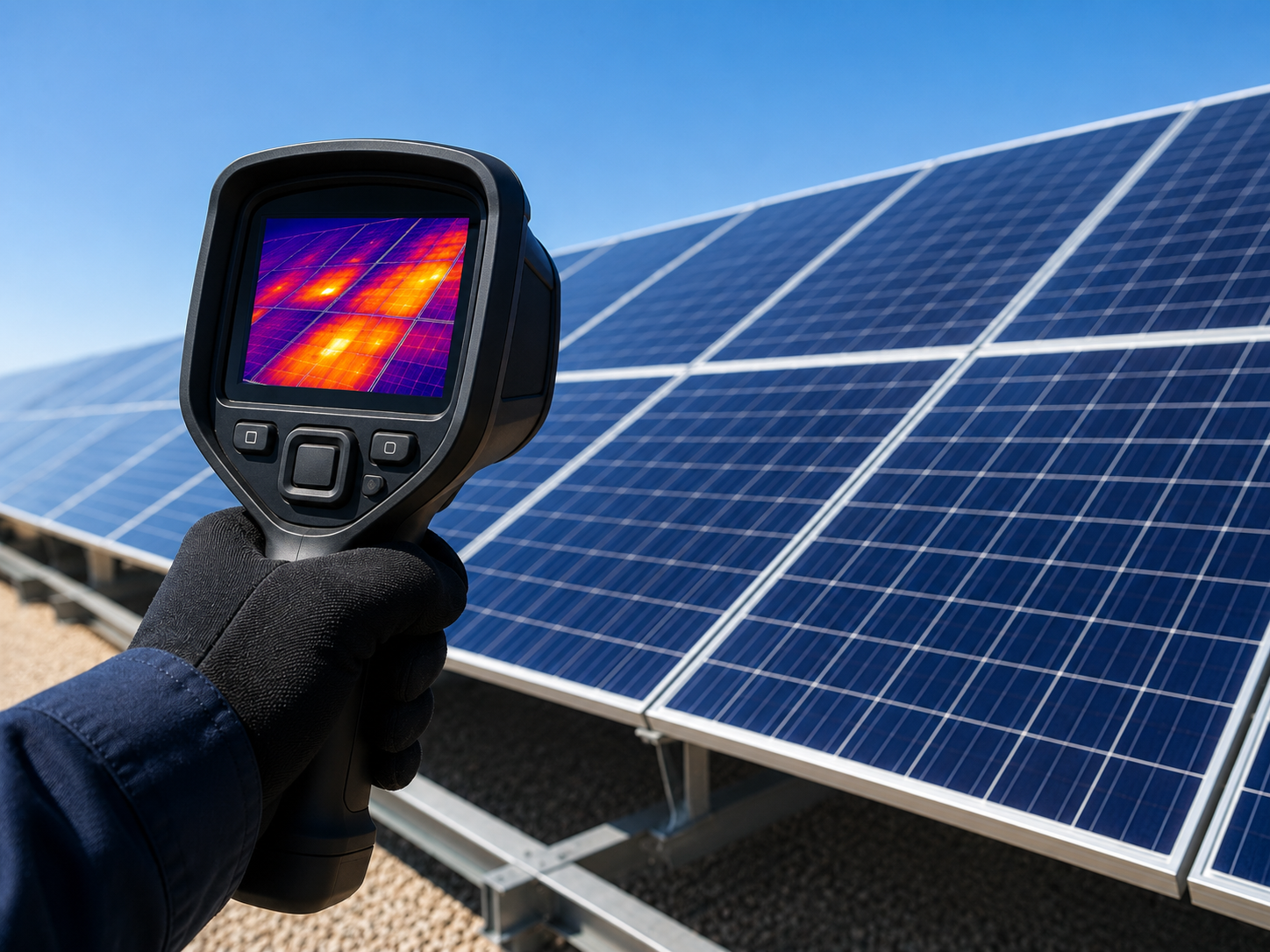
| Infrared (IR) thermography | Hotspots, thermal anomalies, affected modules or strings, and operating issues that appear under suitable field conditions. | Useful for broad site screening after an event and for locating areas that may need closer follow-up. |
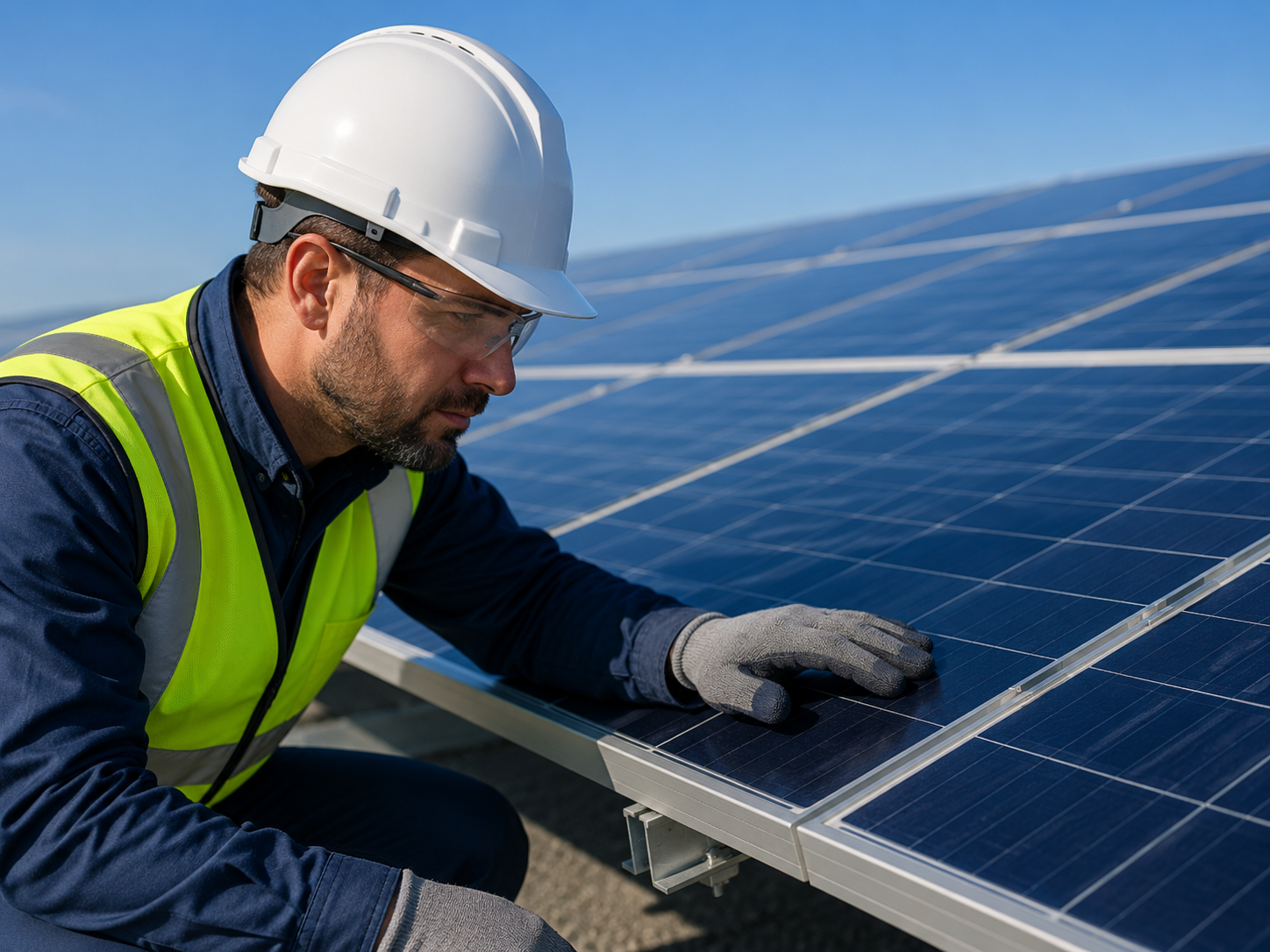
| Visual inspection | Visible damage, broken glass, frame damage, burn marks, connector damage, impact marks, damaged wiring, and site-level evidence. | Useful as the first step after an event and for documenting visible damage for claims, repair planning, or technical review. |
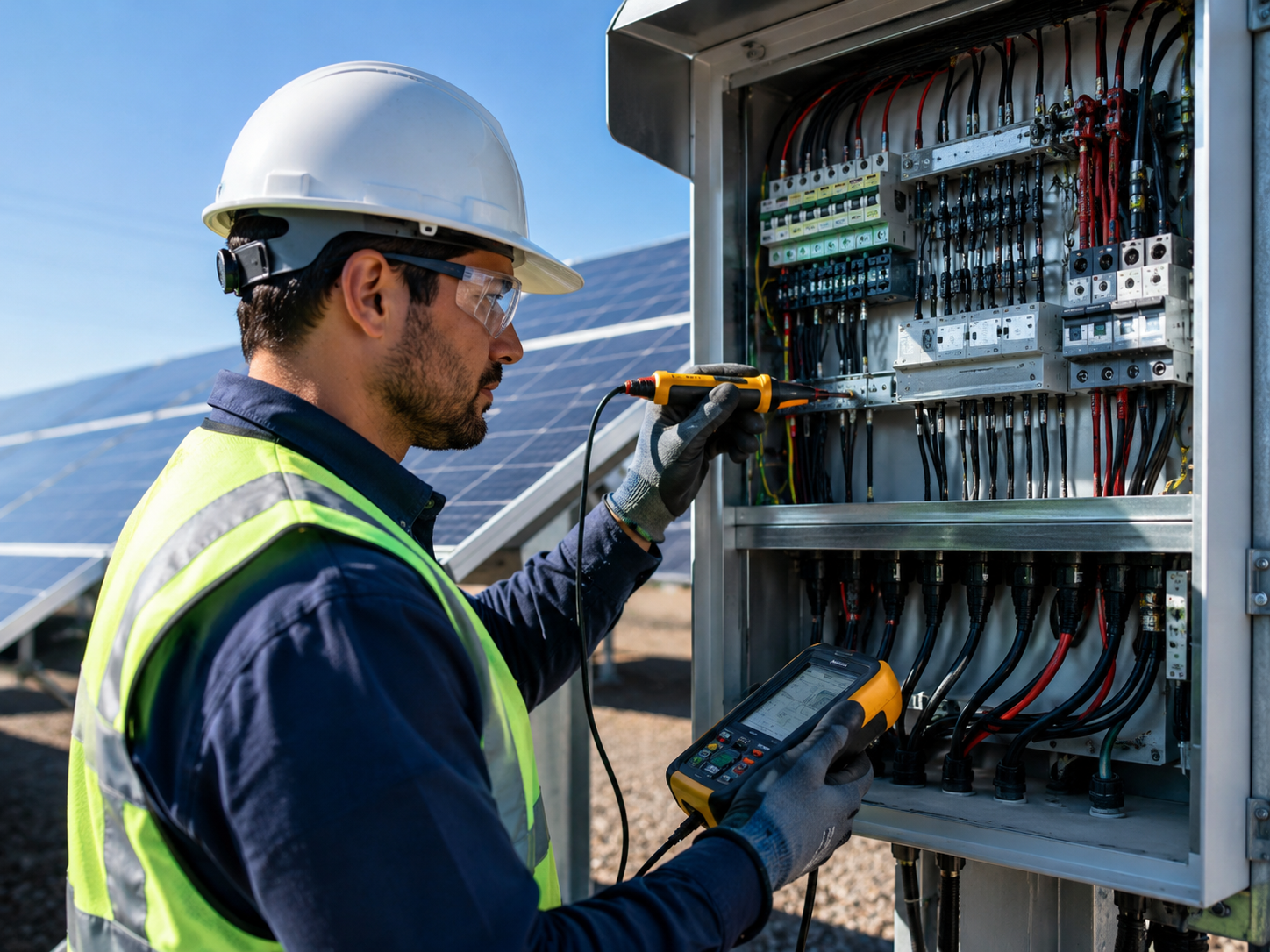
| BOS / electrical field testing | Wiring, connector, combiner box, insulation, string-level, or other balance-of-system electrical concerns. | Useful when an event may have created electrical safety risk, abnormal string behavior, or field hardware damage. |
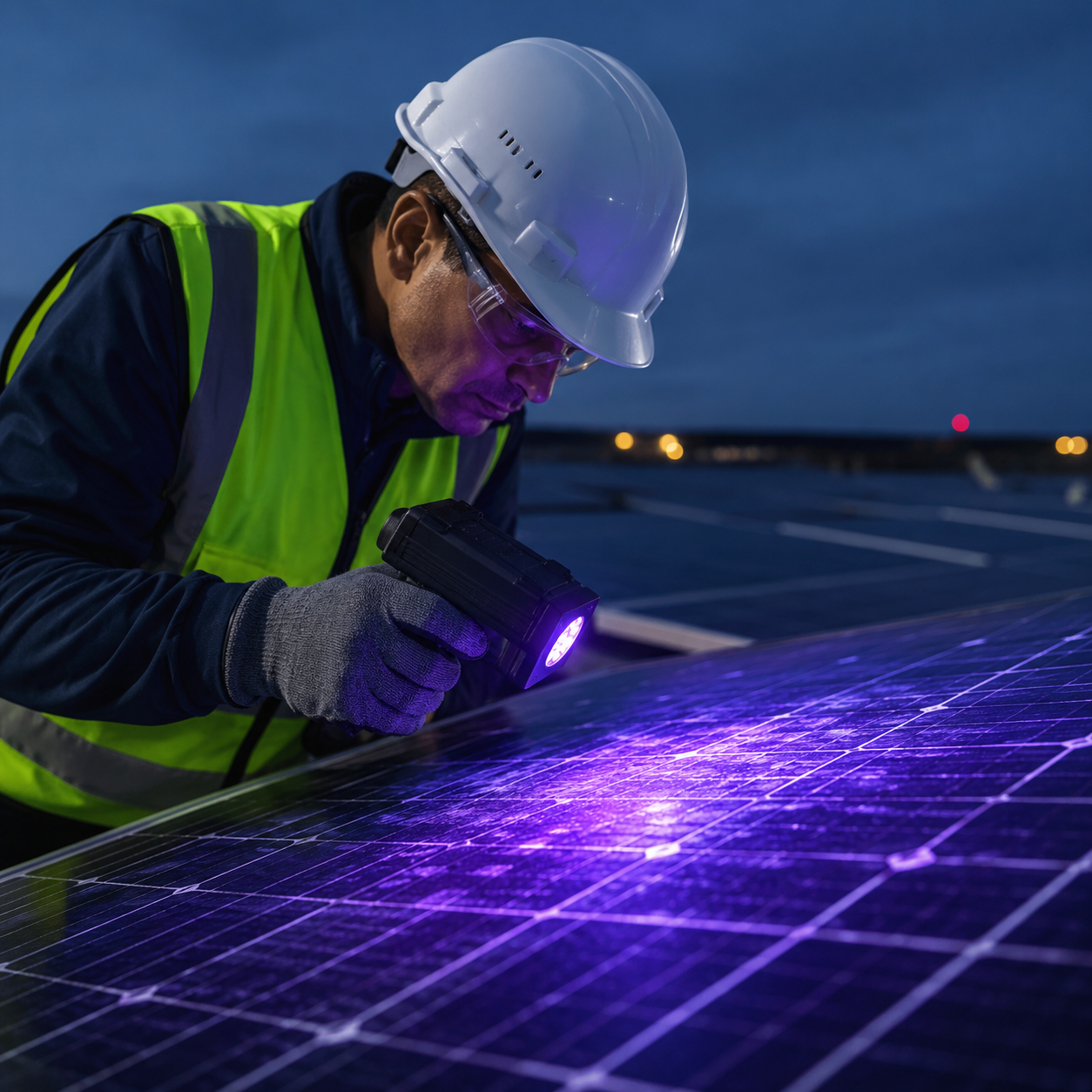
| Ultraviolet fluorescence (UVF) | Material-level effects such as moisture ingress or degradation patterns that may not be clear from visual inspection alone. | Useful when module condition needs to be assessed beyond visible surface damage, especially where material degradation or moisture-related effects are suspected. |
| Glass breakage inspection | Glass cracks, impact damage, edge damage, breakage patterns, and visible clues that may point to mechanical stress, handling damage, installation conditions, or event-related damage. | Useful when cracked or broken modules need to be documented and reviewed as part of a claim, warranty discussion, or root-cause investigation. |
The exact method mix depends on the event type, suspected damage pattern, inspection urgency, site access, and how the results will be used.